
AEF BOX Smart Course Programme 2025/26: Q4 - Project Evaluation Summary
Successes, Outcomes, Partnerships, and Memorable Achievements
““I didn’t really talk to people before I came here, but now I feel more confident speaking up and working with others.””
Overall Successes of your Smart Course programme?
The BOX Smart Course programme for 2025/26 aimed to deliver meaningful learning experiences, foster positive change, and strengthen community connections. This summary evaluates the overall successes, outcomes achieved, and notable highlights from the year.
Sessions were delivered in a safe and supportive environment, ensuring participants felt comfortable and motivated. The programme maintained high standards throughout, offering structured activities that encouraged engagement and personal growth.
Attendance was strong, with a significant number of individuals taking part in the course. Many participants successfully achieved Asdan certifications, demonstrating their commitment and tangible progress. These outcomes reflect the programme's effectiveness in reaching its goals.
Collaboration was a key strength, with successful partnerships established with schools, agencies, and community groups. These relationships enhanced the programme's reach and provided valuable resources, helping to support participants and broaden the impact.
Additional funding was secured, enabling the expansion of coaching hours and the introduction of new programmes. Sponsorships played a vital role, allowing for increased provisions and greater opportunities for participants.
A highlight of the programme was a special trip to Wembley in partnership with Google. This experience created lasting memories for participants and showcased the positive influence of strategic collaborations.
In summary, the BOX Smart Course programme for 2025/26 achieved its intended outcomes, fostered strong partnerships, expanded its provisions, and delivered memorable experiences. The impact on participants and the wider community was positive, with clear evidence of engagement, growth, and success.
Sports and Physical activities offered
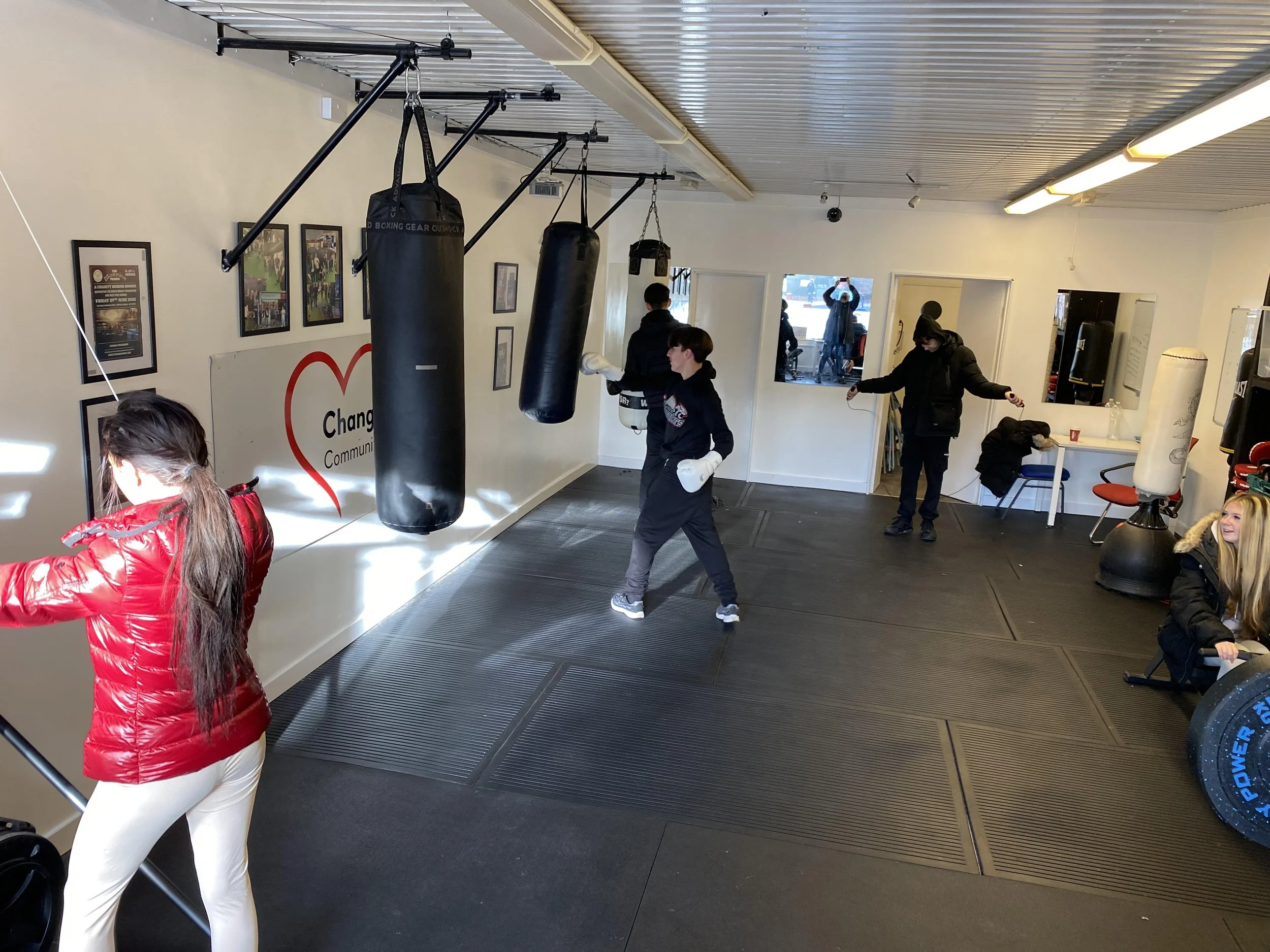
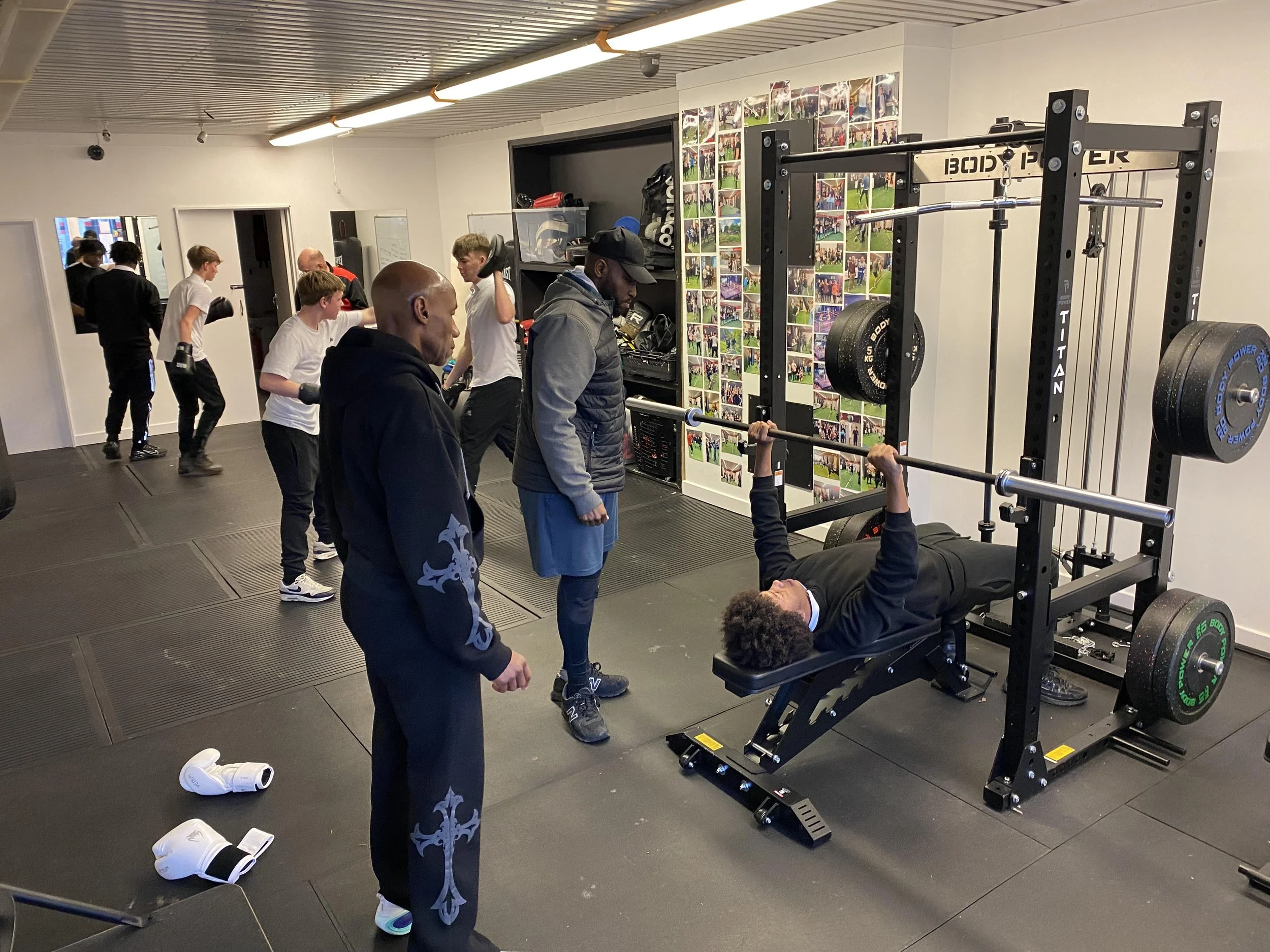
Boxing was the principal sport featured throughout the programme, forming the core of the physical activities offered. Other sports and movement sessions may have complemented the schedule, but boxing remained the main focus, providing participants with engaging, structured opportunities for skill development and personal growth.
Learning and development offered?
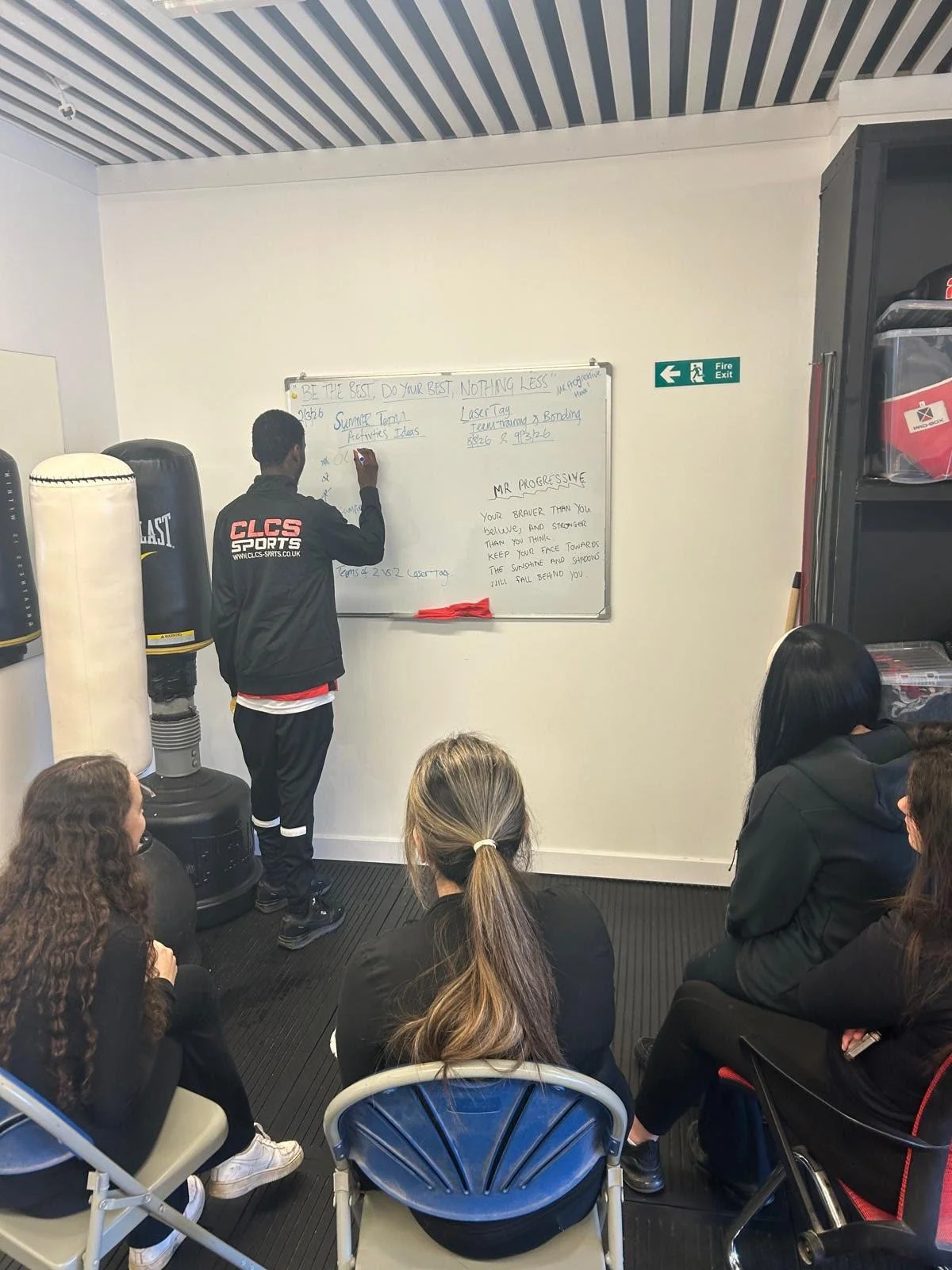
A variety of learning and development opportunities are provided, including ASDAN, the Duke of Edinburgh Award, coaching apprenticeships, and England Boxing Level 1 certifications. These programs help participants enhance their social skills and self-confidence while offering guidance on higher education and exploring important life topics. Delivered as free courses by the Active Essex Foundation, both participants and coaches benefit from support such as safeguarding, first aid, and suicide awareness training.
““The programme showed me I can make better choices and do something positive with my future.””
ASDAN data
17
Adult volunteers: Number
5
Youth volunteers: Number
15
Hours: youth volunteering
45
Were any of the young volunteers part from the Move with Us- Youth Leaders programme offered by Active Essex?
YES
Youth Leaders- Move with Us. (number recorded)
4
Social Skills recorded number / Number of young people with improved social skills:
45
(Social skills are learned abilities that allow us to effectively communicate, interact, and build relationships with others. These skills encompass both verbal and non-verbal communication, including active listening, empathy, respect, body language, and tone of voice, all of which help us navigate social situations and understand unwritten rules. Strong social skills lead to positive relationships, better mental health, increased success in personal and professional life, and overall social competence)
““Coming here kept me out of trouble and gave me somewhere safe to be after school.””
Social Skills evidence (Young people)
Evidence for improved social skills among young people comes from the recorded number of participants who demonstrated progress in this area: 45 young individuals were noted as having enhanced their social skills. This improvement was observed through their active engagement in volunteering activities, which required effective communication, teamwork, and the ability to build relationships with others. These activities allowed the young people to practise both verbal and non-verbal communication, such as active listening, empathy, and respectful interaction, as well as displaying positive body language and appropriate tone of voice. Feedback from supervisors and peers, alongside self-reflection by the participants, indicated noticeable growth in their ability to navigate social situations and understand unwritten social rules. The structured environment and opportunities provided by programmes such as Move with Us-Youth Leaders, facilitated by Active Essex Foundation, further contributed to the development of these skills, as young people took on leadership roles and participated in group tasks, enhancing their social competence and confidence.
Mental Health and emotional well being number
45
(Please tell us how many young people demonstrated an increase in positive mental health and improvement in their emotional intelligence. Mental health is your overall cognitive, emotional, and behavioral well-being, encompassing your ability to cope with life's stresses, work productively, and contribute to your community.)
Mental health and well- being evidence (young people)
Evidence of improved confidence, emotional well-being, self-esteem, and resilience among young people is reflected in the recorded number of participants who demonstrated progress in these areas—45 individuals showed an increase in positive mental health and emotional intelligence. This improvement was observed through their active participation in volunteering activities, which encouraged teamwork, communication, and leadership. The structured programmes, such as Move with Us-Youth Leaders, provided opportunities for young people to take on responsibilities, build relationships, and overcome challenges. Feedback from supervisors, peers, and the young people themselves highlighted noticeable growth in self-confidence and resilience, as they faced new situations and developed coping strategies. Additionally, the positive and supportive environment enabled participants to express themselves, enhance their self-esteem, and develop emotional awareness, contributing to their overall well-being.
““Since engaging with the Smart Course, we have seen a noticeable improvement in this young person’s attendance, emotional regulation, and willingness to engage positively with peers and staff.””
Education status, employment or training change (Young people)
12
Education, employment or training examples (young people)
Several young people involved in the Smart Courses have experienced significant changes in their education, employment, or training status, directly contributing to a reduction in the number of individuals who are NEET (Not in Education, Employment, or Training). For example, some participants who had previously disengaged from formal education were supported through mentoring and skills development workshops, which boosted their confidence and motivation to return to college or enrol in vocational training programmes. In other cases, young people involved in the programme secured part-time or full-time employment by improving their CVs, practising interview skills, and building professional networks during their volunteering activities. Others took up apprenticeships or work placements, gaining valuable on-the-job experience and increasing their long-term employability. The positive impact of these changes is evident not only in the progression of 12 individuals to education, employment, or training but also in their increased self-belief, independence, and future aspirations. These achievements reflect the effectiveness of Smart Courses and their delivery in supporting young people to overcome barriers, develop new skills, and build pathways towards sustainable education and employment opportunities.
Challenging behaviours (young people)
9
Challenging Behaviours evidence (young person)
During the sessions, young people initially exhibited a range of challenging behaviours, such as reluctance to participate, difficulty following instructions, impulsivity, and limited cooperation with peers. These behaviours were often linked to feelings of low self-esteem, frustration, or difficulty managing emotions. Through consistent engagement in structured activities and supportive group discussions, staff were able to foster a safe and positive environment, encouraging young people to gradually open up and express themselves.
The sessions supported the young people by promoting teamwork, clear communication, and opportunities for reflection. Facilitators regularly acknowledged individual progress and encouraged positive decision-making, which helped participants to develop self-control and improve their ability to manage conflict. Over time, several young people demonstrated noticeable changes such as increased willingness to participate, more respectful interactions with others, and a greater ability to handle setbacks constructively. These improvements were observed both by staff and peers, indicating the effectiveness of the sessions in helping young people build emotional resilience and adopt healthier behavioural strategies that contributed to their overall development.
Challenges: Provider feedback
Several challenges arose during the project, notably low or inconsistent attendance among young participants due to scheduling conflicts and inconvenient venues. These issues were addressed by adjusting session times, maintaining regular communication with participants and families, and offering tailored support, including one-to-one sessions for those unable to engage in groups. For future projects, conducting a pre-survey on availability and preferred locations, along with a flexible approach to timing and venues, would help reduce barriers and increase participation.
““The programme has had a clear impact on confidence and behaviour. Young people are more settled, communicate more effectively, and show greater motivation towards learning and progression.””
Youth Justice: young people vulnerable to/on the cusp of or known to agencies but not yet criminalised/ Those currently under Youth Offending or other youth justice agencies.
Young people who are vulnerable to, or on the cusp of, involvement with youth justice agencies—whether known to such agencies but not yet criminalised, or currently under Youth Offending or similar services—have demonstrated notable progress through the intervention programmes outlined in the surrounding context. Many participants initially displayed challenging behaviours such as reluctance to engage, impulsivity, and difficulty cooperating with peers, often rooted in low self-esteem or emotional difficulties. However, consistent participation in structured sessions, mentoring, and supportive group activities has fostered a safer environment, enabling these young people to open up and develop healthier behavioural strategies.
Evidence suggests improvements in several key areas: increased willingness to participate, more respectful interactions, and enhanced ability to handle setbacks constructively. These behavioural changes have contributed to a reduction in community disruption and anti-social behaviour (ASB), as young people have become less vulnerable and more equipped to make positive choices. Facilitators have observed greater self-control and decision-making among participants, alongside a rise in self-belief and independence. As a result, there has been a noticeable decrease in offending or risk behaviours, with young people reporting heightened awareness of their actions and consequences, and a stronger commitment to constructive pathways such as education, employment, or training.
Overall, the impact of these interventions is evident in the increased resilience, improved social skills, and reduced vulnerability of young people within the youth justice category. These outcomes underline the effectiveness of the programme in supporting at-risk individuals to avoid criminalisation and build foundations for a more positive future.
““The programme has complemented our work by giving young people space to build trust, develop discipline, and feel part of something positive.””
Sports and Mental Health- referrals
- Social Prescribing
- Schools
- College
- Community Groups
- Care providers
Sport and Youth Crime Prevention- Referrals
- Youth Offending Services
- Police
- Children’s Social Care services
- Education
- Parent / Carer
- Self Referrals
Unique: how many young people have been supported at your Smart Course programme?
45
Of the number of unique young people who attended this Smart Course, how many were new to your provision?
15
Attendances: total number of young people at your Smart course programme
108
MALE unique young people who attended:
29
FEMALE unique young people who attended:
16
11-13 YEAR OLDS who attended
8
14-16 YEAR OLDS who attended:
27
17+ YEAR OLDS who attended:
10
““My child now has more confidence and self‑belief. They are proud of what they have achieved and are more hopeful about their future.””
Other presenting issues:
Other presenting issues observed among participants included exposure to unhealthy peer and relationship dynamics, both in person and online. Several young people were affected by negative influence from social media and WhatsApp group chats, including peer pressure, conflict, bullying, and the spread of harmful attitudes or behaviours. In some cases, young people lacked confidence to disengage from damaging friendship groups or online conversations, which impacted their emotional wellbeing, self‑esteem, and decision‑making. Additional presenting issues included low resilience, poor boundaries, difficulties managing emotions, and limited positive role models. The programme provided a safe space to address these challenges, promote healthier relationships, and support young people to develop stronger communication, decision‑making, and self‑protection skills.
Quotes and feedback from young people
“I didn’t really talk to people before I came here, but now I feel more confident speaking up and working with others.”
“This course gave me something positive to focus on. Boxing helped me clear my head and manage my stress.”
“I used to get angry really quickly, but the sessions helped me learn how to calm myself down and think before reacting.”
“Being part of the group made me feel included. I felt supported and not judged.”
“The coaches actually listened to me. That made a big difference and helped me believe in myself more.”
“I’ve learned how to work as a team and communicate better, which has helped me outside the sessions too.”
“Coming here kept me out of trouble and gave me somewhere safe to be after school.”
“I didn’t think I would stick at anything, but completing the course made me feel proud of myself.”
“The programme showed me I can make better choices and do something positive with my future.”




Quotes and feedback from schools, agencies, and parents/carers
“Since engaging with the Smart Course, we have seen a noticeable improvement in this young person’s attendance, emotional regulation, and willingness to engage positively with peers and staff.”
— School representative (Passmores School)
“The programme has had a clear impact on confidence and behaviour. Young people are more settled, communicate more effectively, and show greater motivation towards learning and progression.”
— Education partner (Leventhorpe School and 6th Form College)
“Staff have reported a reduction in challenging behaviour and an increase in self‑awareness and resilience. The structured physical activity has clearly supported emotional wellbeing.”
— Statutory agency professional (Police)
“This young person is now more open, calmer at home, and better able to talk about their feelings. Having a positive outlet has made a big difference to family life.”
— Parent/Carer
“We have seen improved engagement with support services and a more positive attitude towards making safe and healthy choices.”
— Youth support agency (Essex Council Leaving Care Team)
“The boxing‑based sessions provided routine, purpose, and a safe space. This has helped reduce risk‑taking behaviour and improve decision‑making.”
— Partner organisation (Beckmead PRU)
“My child now has more confidence and self‑belief. They are proud of what they have achieved and are more hopeful about their future.”
— Parent/Carer
“The programme has complemented our work by giving young people space to build trust, develop discipline, and feel part of something positive.”
— Multi‑agency partner (Youth Offending Team)
