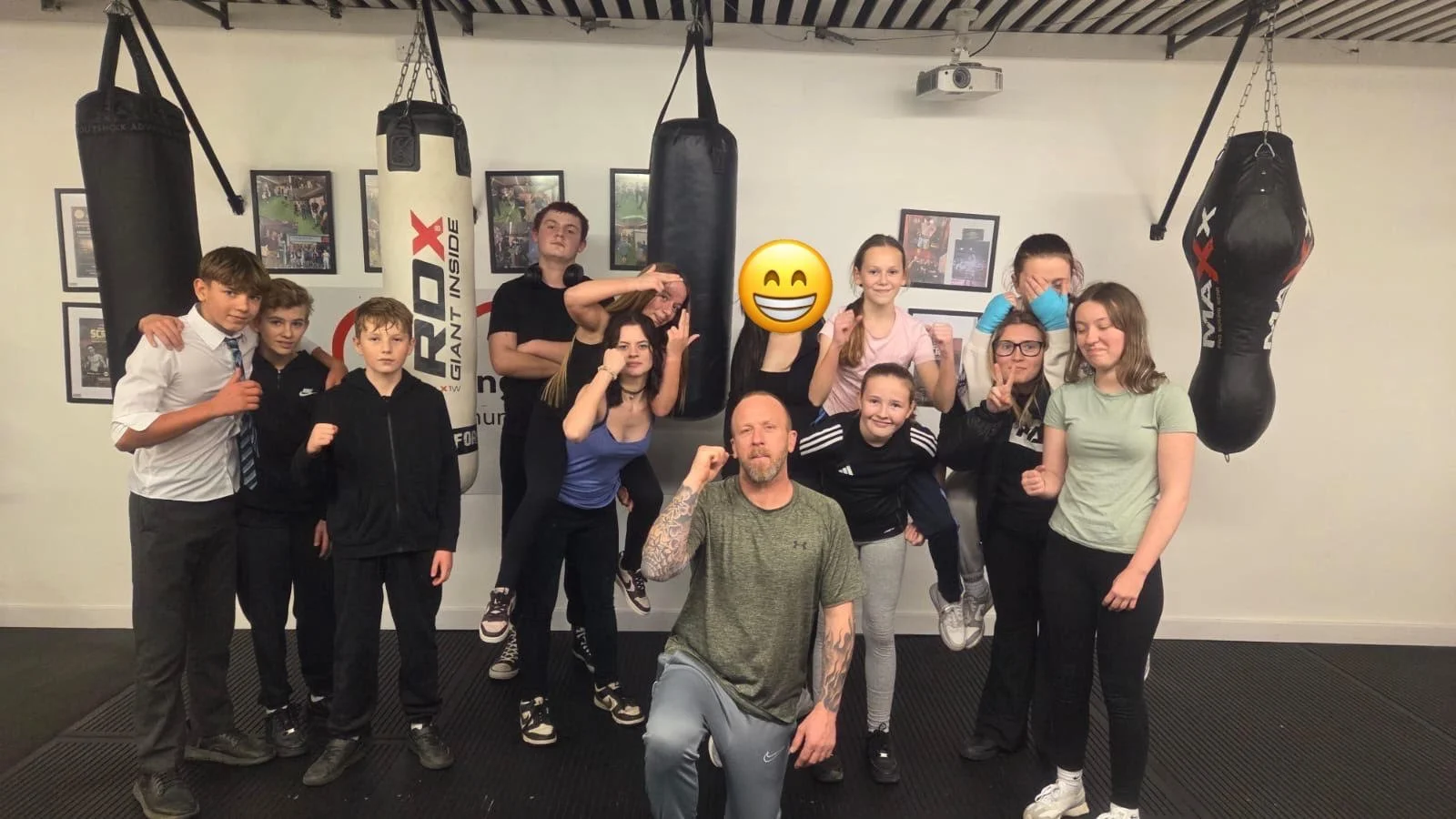
AEF Boxsmart & Sports with Life Skills Quarter 3 Review
"Taking part in the Smart course really boosted my confidence. I learnt a lot about myself and made some great friends." – Participant, 13 years old
"I enjoyed the activities and felt supported by the group. The course helped me develop new skills I can use in school and beyond." – Participant, 15 years old
"The Smart course gave me a safe space to express myself and try new things. I now feel much more positive about the future." – Participant, 17 years old
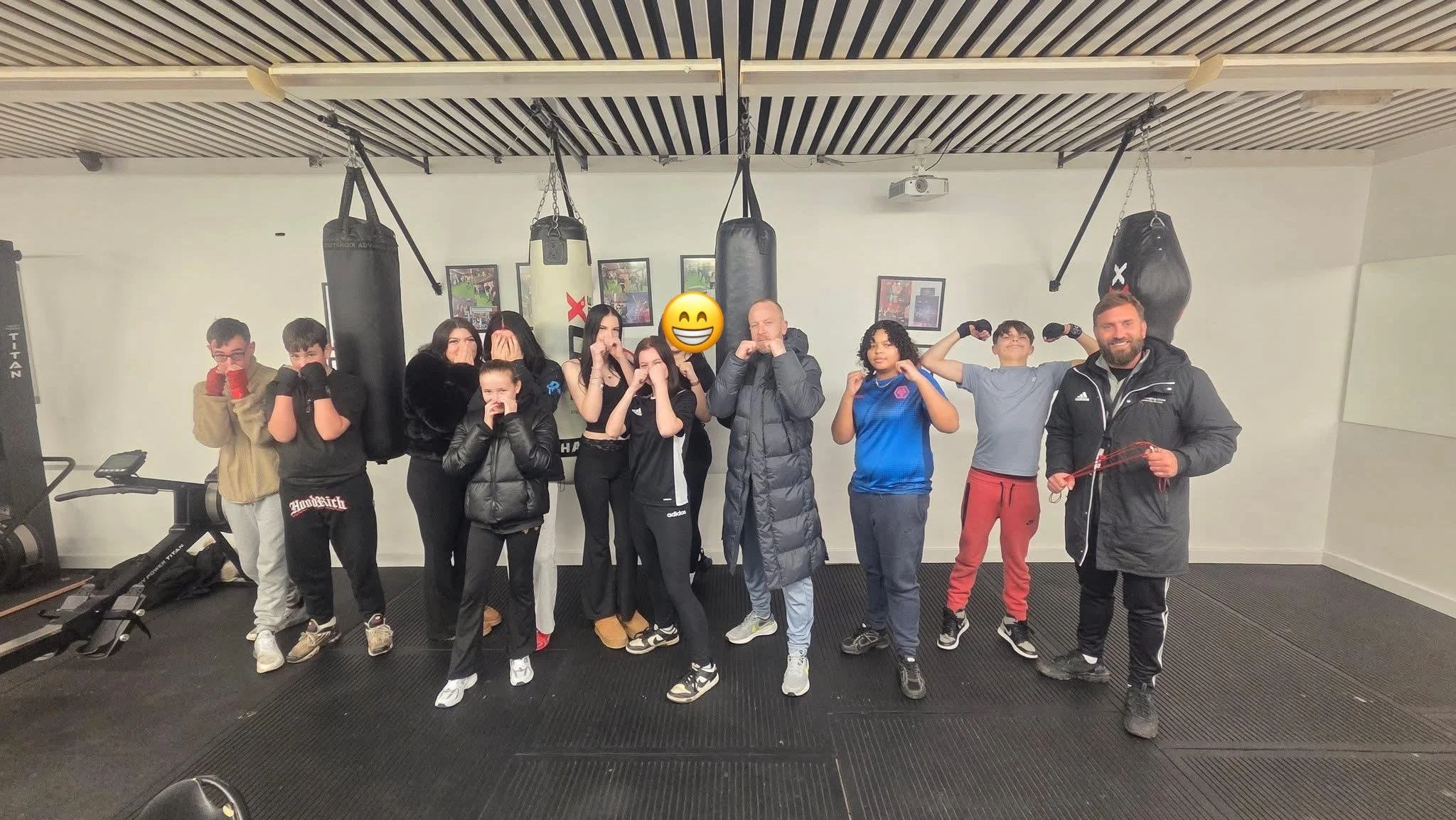
Overall Successes of your Smart Course programme? - OCTOBER TO DECEMBER 2025
Since the completion of the ASDAN course by our initial groups in quarter 1, we have successfully facilitated the transition of many participants into local ABA clubs, with several individuals also securing new employment opportunities. This marks a significant achievement in terms of both personal development and community engagement for our participants.
In addition, we have expanded our outreach by engaging with two additional secondary schools, initially providing ad hoc sessions which have now evolved into regular weekly sessions as an integral part of their curriculum. This collaboration has resulted in additional funding from the schools, allowing us to increase staff hours and, consequently, accommodate more participants. These sessions, held on Wednesday evenings, have become a cornerstone of our programme's growth and sustainability.
Furthermore, it is noteworthy that the average age of our participants has decreased from quarter 1, now standing at 13 years old. This demonstrates our increasing appeal to younger cohorts and highlights the programme’s evolving impact within the community.
Sports and Physical activities offered
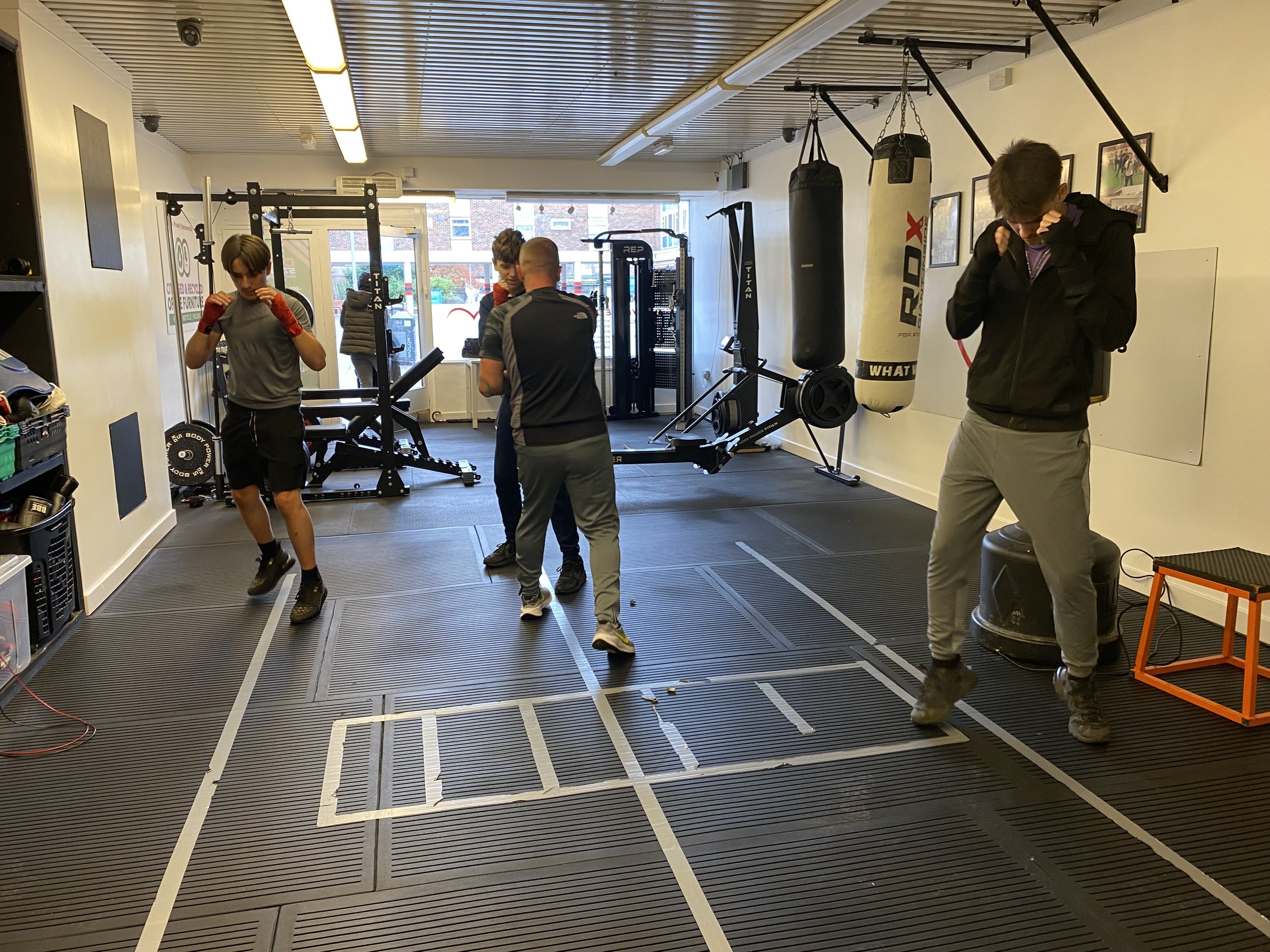
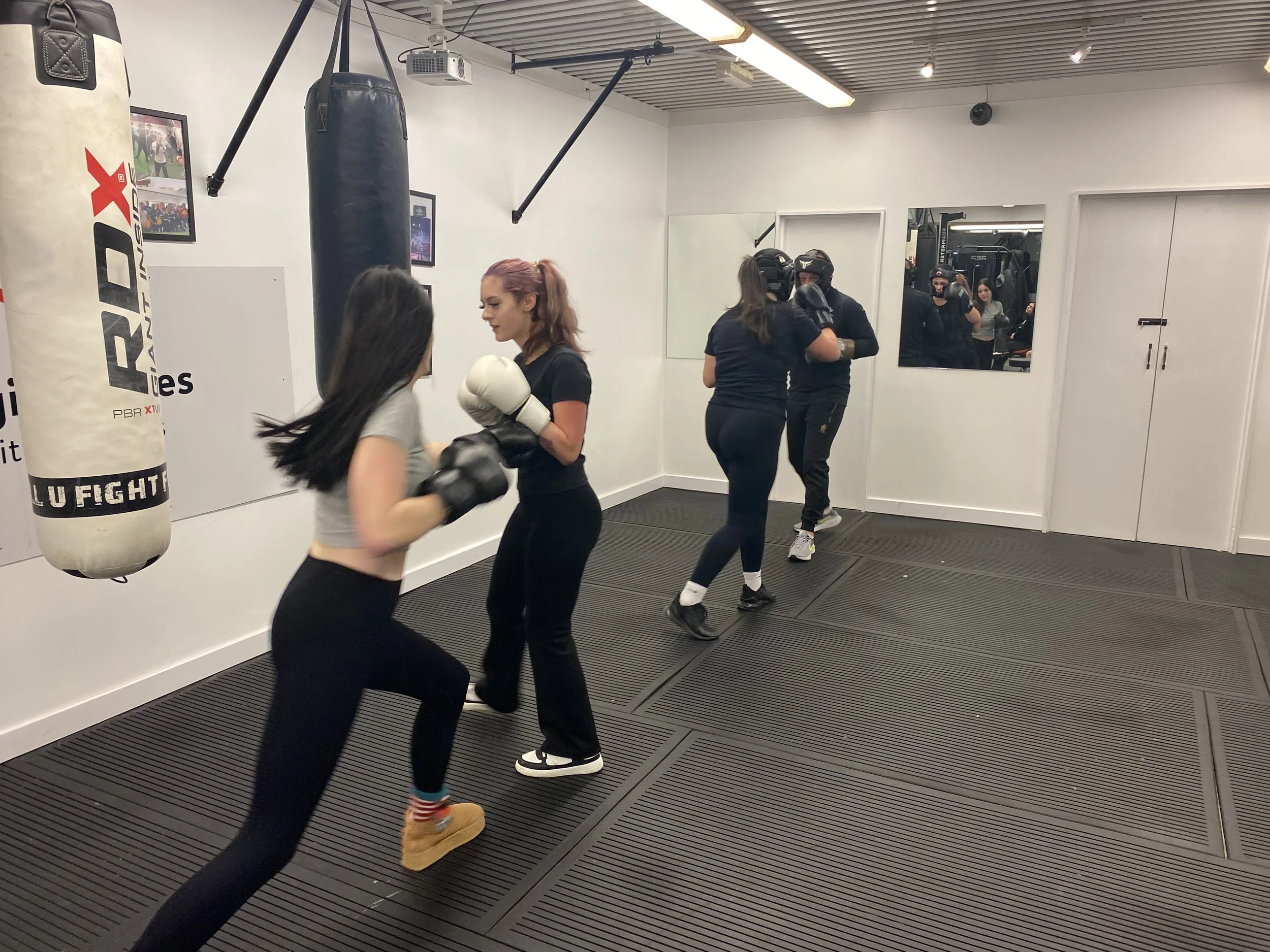
During the programme, we offered a range of sports and physical activities designed to engage participants of varying interests and abilities. These included boxing sessions, gym training, and fitness classes, which provided structured opportunities for physical exercise, skill development, and social interaction. The activities were tailored to meet the needs of our diverse group, ensuring inclusivity and promoting overall well-being.
Learning and development offered?
- Qualifications (ASDAN)
- Duke of Edinburgh
- Preparation for Higher Learning and Entering into the work place
- CV writing
- Social Skills
- Volunteering pathways
- Youth Mental Health
- Mentoring
Learning and Development Impact (young people)
What impact and outcomes did you see? How has this supported the young people who took part.
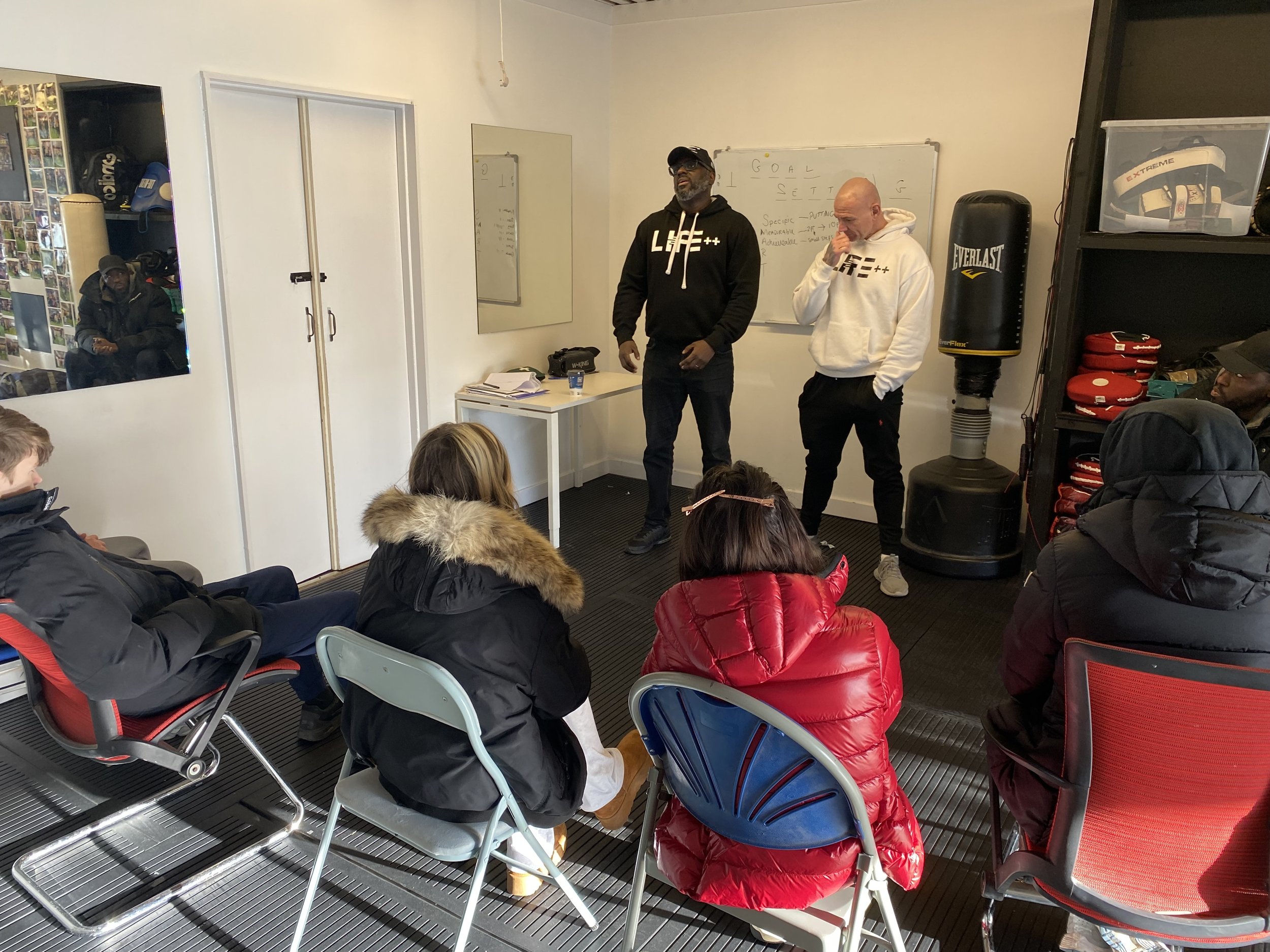
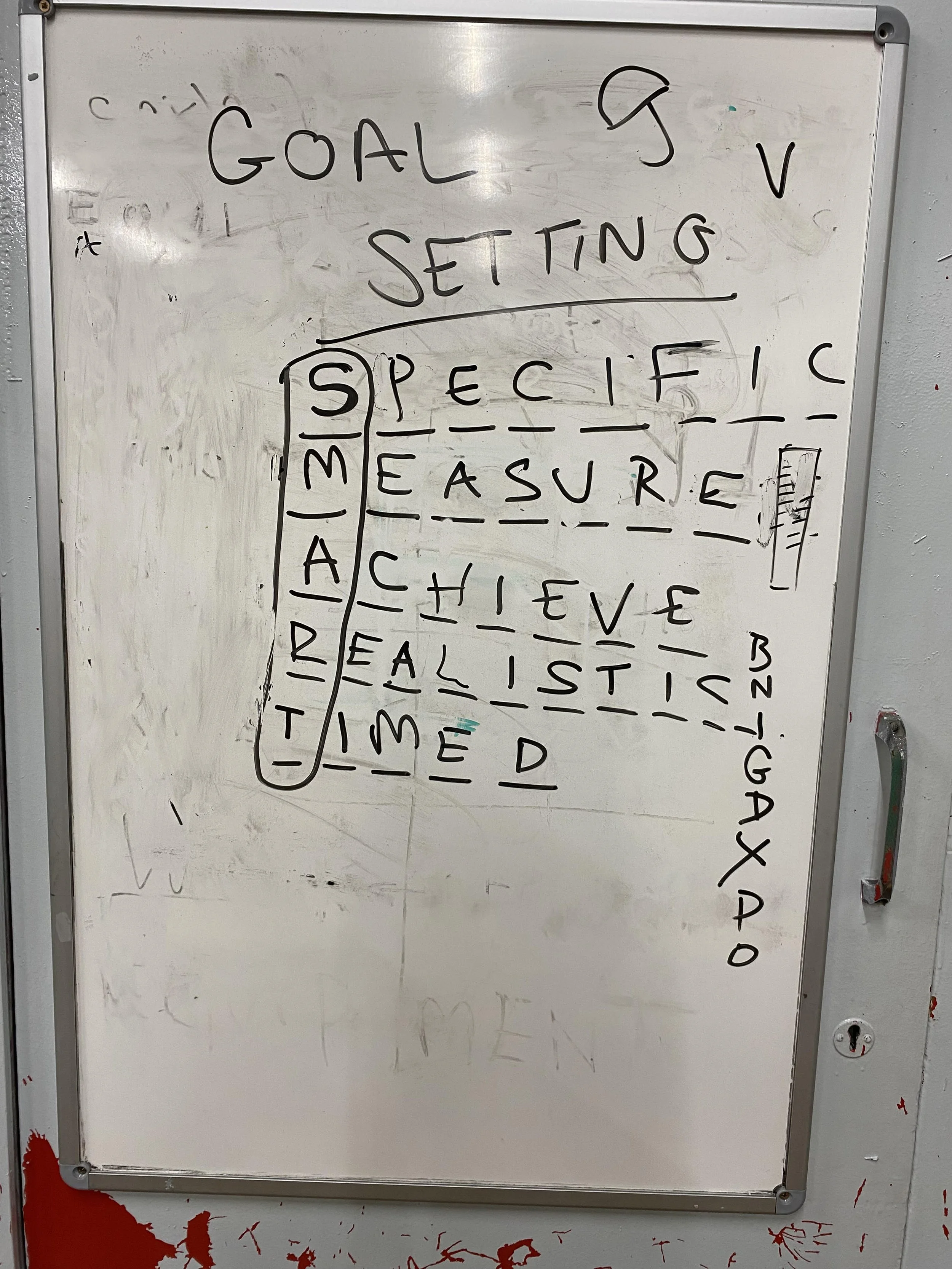
In addition to the Duke of Edinburgh Award, we offered a range of learning and development sessions tailored to equip young people with essential life skills. These included accredited workshops such as the ASDAN life skills Award, which focused on 12 key topics such as Goal setting and Understanding self.. Mentoring support was provided through both peer-to-peer programmes and one-to-one guidance from experienced professionals, helping participants set personal goals and navigate educational or career transitions.
The impact of these sessions was evident in the increased confidence and improved communication skills among attendees. Many reported greater readiness for higher education and the workplace, with some securing volunteering roles or part-time employment directly as a result of the training. The mentoring aspect fostered resilience and self-esteem, enabling young people to better manage stress and develop a more positive outlook on their future prospects.
ASDAN data
Please tell us how many unique young people completed the ASDAN accreditation award as part of your AEF Smart Course
18
Adult volunteers: Number
10
Youth volunteers: Number
6
Hours: youth volunteering
14
Social Skills recorded number
Number of young people with improved social skills:
22
Social Skills evidence (Young people)
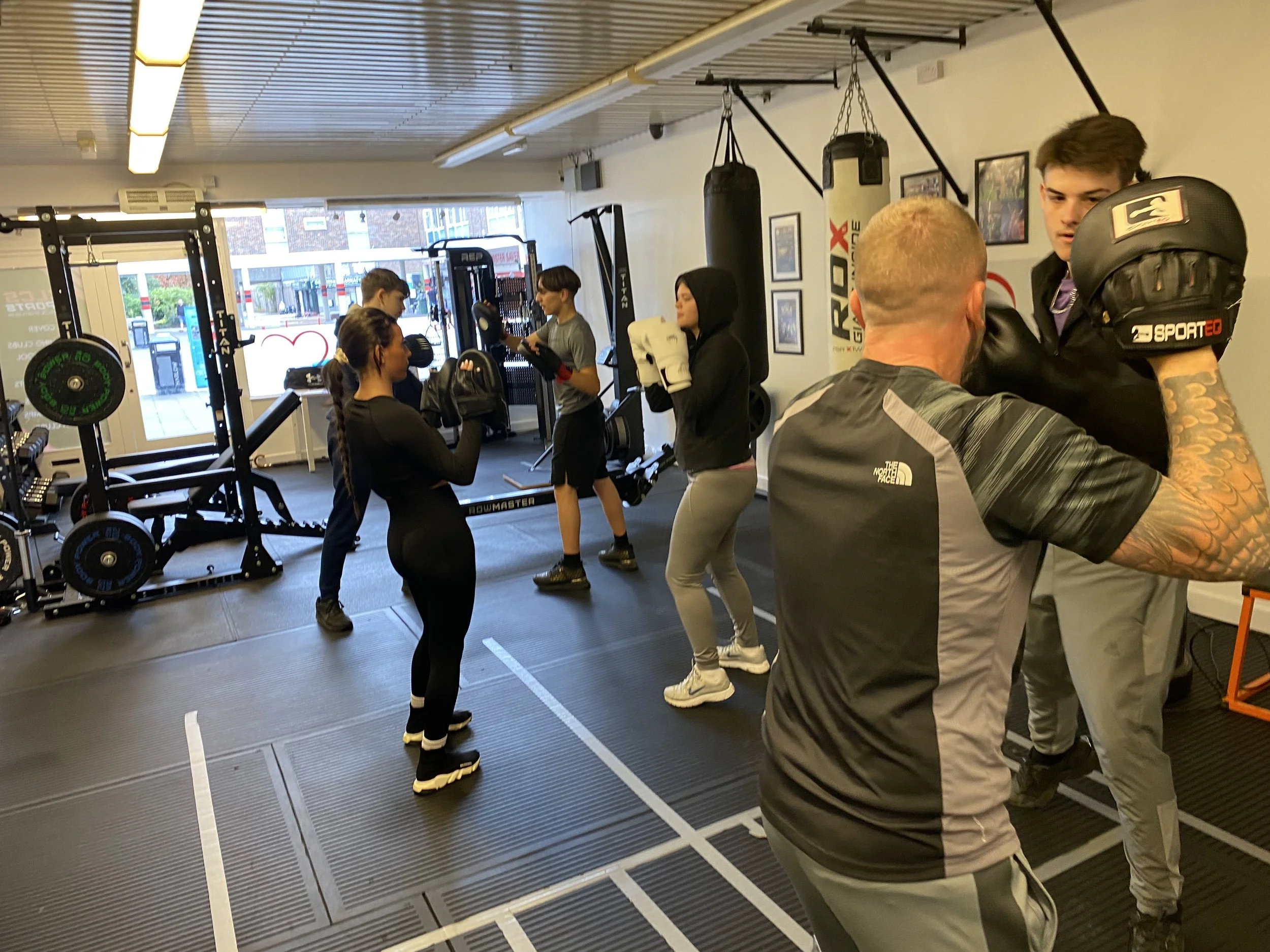
We observed that young people became more confident in group settings, actively participating in discussions and supporting their peers during activities. Additionally, feedback from both the volunteers and the young people themselves indicated greater teamwork, improved communication, and a noticeable increase in mutual respect within the group.
Mental Health and emotional well being number
22
We know that young people's confidence, emotional well-being, self-esteem, and resilience were improved through a combination of direct observation and feedback. During group activities, young people demonstrated increased willingness to express their ideas and take on responsibilities, which reflected growing confidence. They were more open in sharing their feelings and supporting one another, suggesting enhanced emotional well-being and resilience when facing challenges or setbacks.
Furthermore, feedback collected from the young people and volunteers highlighted a boost in self-esteem, as individuals recognised their own progress and achievements within the group. The supportive environment fostered by the programme allowed young people to celebrate their successes, learn from difficulties, and develop coping strategies, all of which contributed to building resilience and a positive sense of self.
Education, employment or training examples (young people)
Several young people transitioned from being NEET to engaging in further education, securing work placements, or enrolling in vocational training programmes as a direct result of participating in Smart Courses. For example, some reported gaining the confidence and skills necessary to apply for college courses, while others successfully obtained part-time employment or apprenticeships. These changes not only enhanced their practical skills and future prospects, but also had a positive effect on their self-esteem and motivation.
Feedback from both the young people and programme facilitators highlighted that involvement in Smart Courses provided valuable guidance on goal setting, CV preparation, and interview techniques. As a result, participants felt more equipped to pursue opportunities, with several expressing pride in their achievements and a renewed sense of purpose. The positive shift in education, employment.
Challenging behaviours (young people)
6
Challenging Behaviours evidence (young person)
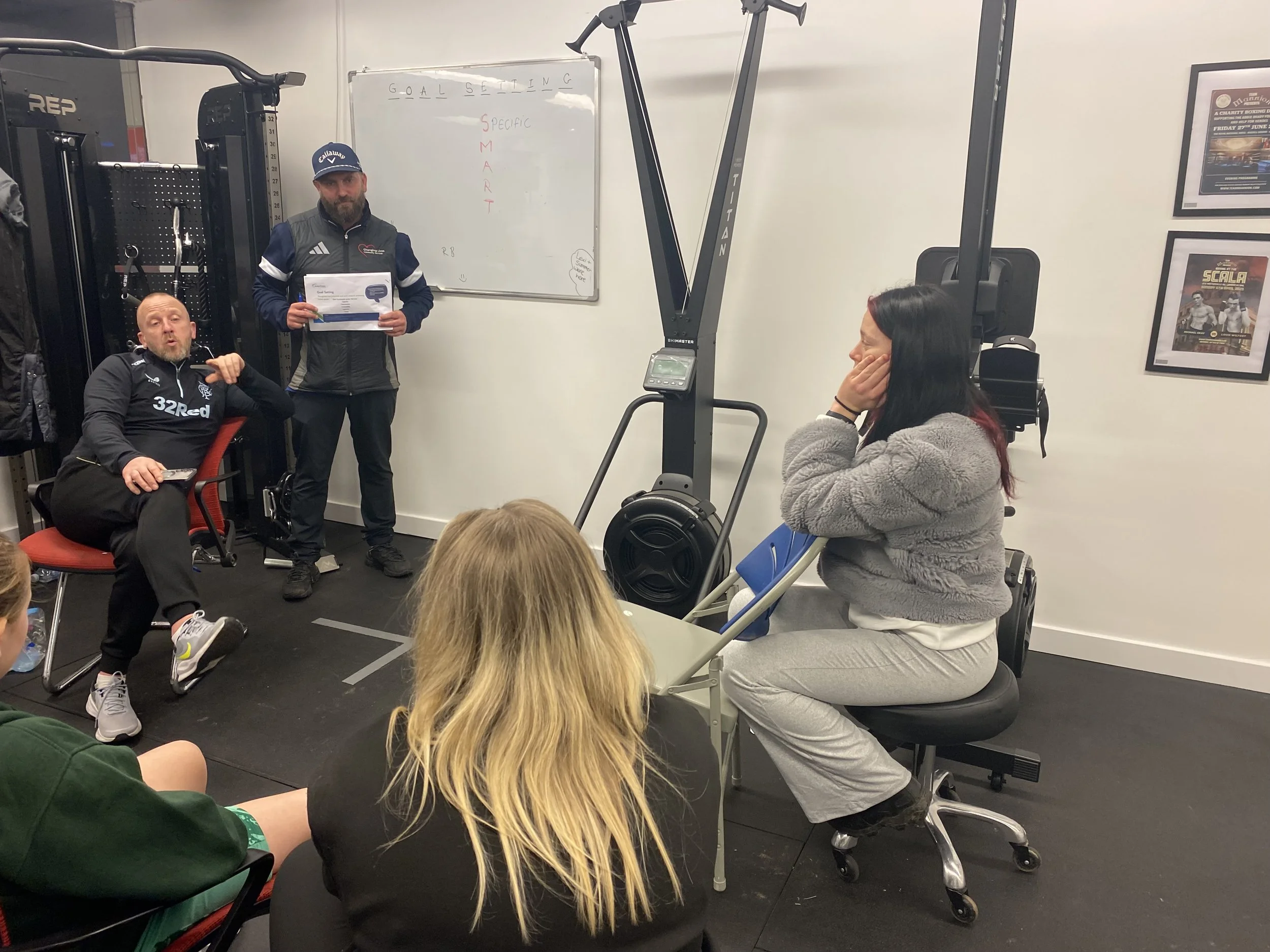
Throughout the sessions, young people's behaviours were closely observed by facilitators, allowing for a nuanced understanding of both individual and group dynamics. At the outset, some newcomers displayed signs of anxiety, such as hesitancy to participate and reluctance to engage in group dialogue. Volunteers, many of whom had previously been programme participants themselves, played a pivotal role in settling these anxious individuals. By sharing their own experiences and offering gentle reassurance, they helped newcomers feel welcome and at ease within the group setting.
These volunteers consistently modelled respect and discipline through their interactions, addressing challenges calmly and maintaining clear boundaries. Their approach set a positive tone for the programme, with newcomers quickly picking up on cues of mutual respect and constructive behaviour. Volunteers intervened when necessary, diffusing tense moments and encouraging positive choices, which contributed to a supportive and inclusive atmosphere.
For example, during group activities, volunteers demonstrated attentive listening and offered encouragement when young people struggled to express themselves. Their presence as role models helped reinforce group norms and expectations, while their willingness to step in with structure and guidance ensured that sessions remained focused and productive. Over time, this supportive environment facilitated noticeable behavioural changes, with young people increasingly displaying self-control, cooperation, and a willingness to resolve conflicts amicably.
Overall, the sessions provided a platform for positive behavioural development, where reassurance and discipline were interwoven into daily interactions. The volunteers’ ability to model constructive behaviour and offer guidance created a safe space for growth, enabling all participants to flourish both emotionally and socially.
Challenges: Provider feedback
Throughout the duration of the project, several challenges were encountered, particularly regarding attendance. A significant barrier arose during the winter months, when harsher weather conditions and darker evenings led to a notable reduction in participants’ willingness and ability to travel to the venue. Many young people expressed a preference to stay at home rather than venture out in cold, wet, or potentially unsafe conditions, which resulted in both non-attendance and low attendance at certain sessions.
Despite these obstacles, we remained consistent in keeping the venue open and available at the usual times, ensuring that those who did wish to attend could always rely on a welcoming space. Regular communication with participants and their families helped to reinforce our commitment and reassure them of the support on offer.
Youth Justice: young people vulnerable to/on the cusp of or known to agencies but not yet criminalised/ Those currently under Youth Offending or other youth justice agencies.
Over the course of the project, there have been tangible positive changes recorded among young people vulnerable to youth justice involvement. Notably, those engaging with our sessions have shown a marked reduction in anti-social behaviour (ASB); this is reflected in the consistently low number of referrals from youth justice agencies. The young people who do attend have demonstrated outstanding commitment, with impeccable attendance rates and a willingness to participate both during regular sessions and in extra-curricular activities.
There is anecdotal evidence that increased awareness and understanding of positive decision-making has led to young people feeling less vulnerable and more empowered to make constructive choices. Furthermore, community disruption linked to youth ASB has diminished, with our centre now receiving clear support from local businesses and residents—a stark contrast to previous years when the area was frequently troubled by such issues. Young people have reported feeling safer and more included, suggesting a reduction in offending and a healthier relationship between youth and the wider community.
Overall, the project’s impact is visible not only in the improved behaviour and engagement of individual participants but also in the strengthened sense of community and collective wellbeing in the area.
Sports and Mental Health- referrals
- Schools including mental health support teams
Sport and Youth Crime Prevention- Referrals
- Youth Offending service
- Education
- Parent/carer
- Sefl referrals
Unique: how many young people have been supported at your Smart Course programme?
144
Of the number of unique young people who attended this Smart Course, how many were new to your provision?
12
Attendances: total number of young people at your Smart course programme
22
MALE unique young people who attended:
9
FEMALE unique young people who attended:
13
11-13 YEAR OLDS who attended
3
14-16 YEAR OLDS who attended:
14
17+ YEAR OLDS who attended:
5