
AEF Sports & Life Skills project for Teens progress Update 2025 - Harlow
Overall Successes of your project/ provision in this quarter?
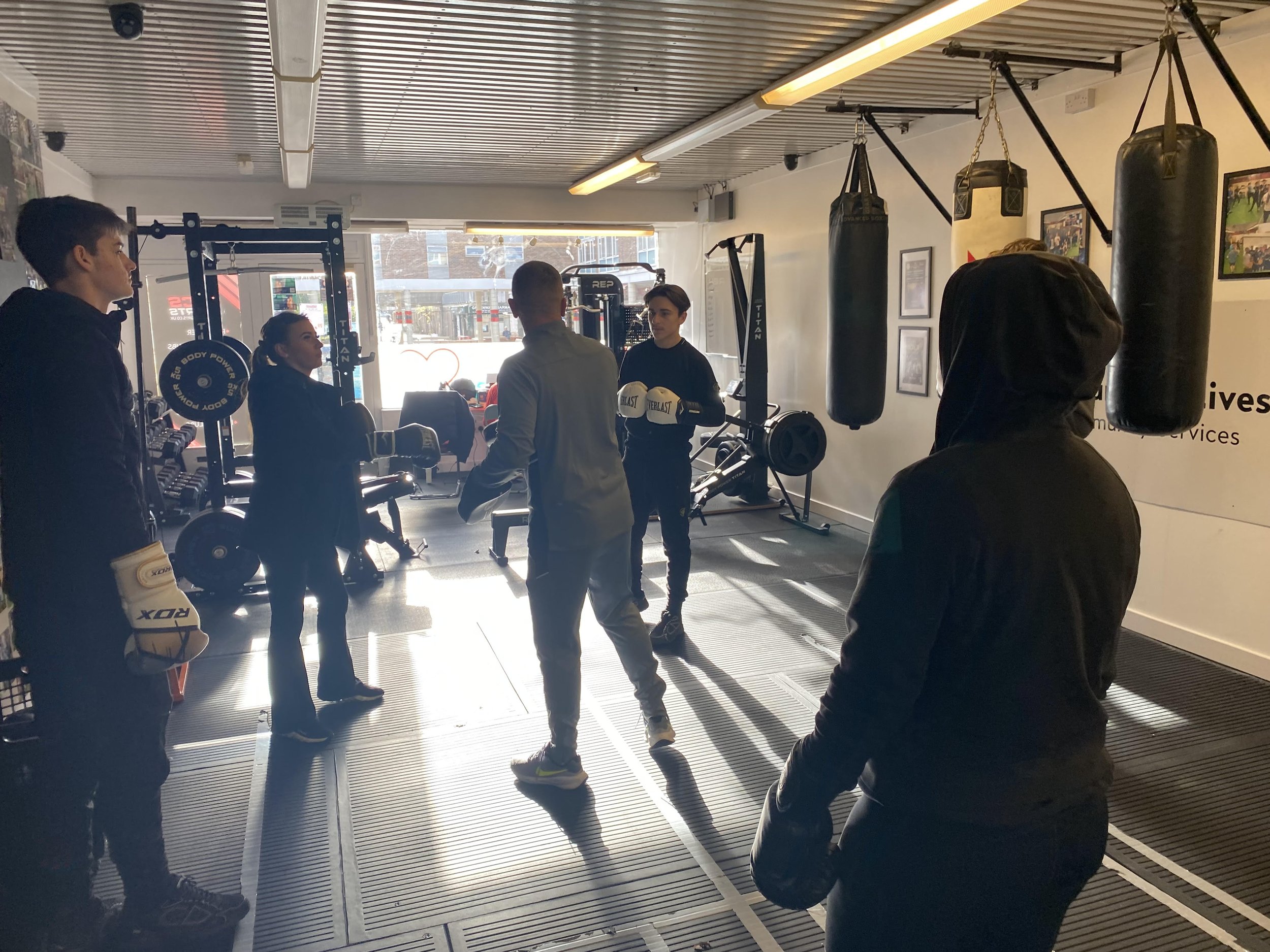
During this quarter, the project achieved several of its key intended outcomes while also delivering notable unintended successes. Through close partnership working with local businesses, over 10 participants secured their first employment opportunities, marking a significant milestone in improving job prospects for those engaged in our programmes. Regular sports and life skills sessions at both the gym and community hub have provided essential support for participants' mental wellbeing, fostering resilience and positive routines.
There has been a measurable reduction in antisocial behaviour within the community, which can be attributed to targeted conflict resolution efforts embedded throughout the project. Collaboration with local schools enabled the provision of weekly sessions and engaging taster activities for young people aged 11-16, significantly broadening our reach. In response to increased female abuse crime rates highlighted by Harlow Council’s safety charter, we successfully launched female-only sessions, addressing an urgent local need and demonstrating the project’s capacity to adapt and innovate. These achievements collectively reflect the positive impact and ongoing growth of our sports and life skills provision.
Sports and Physical activities offered
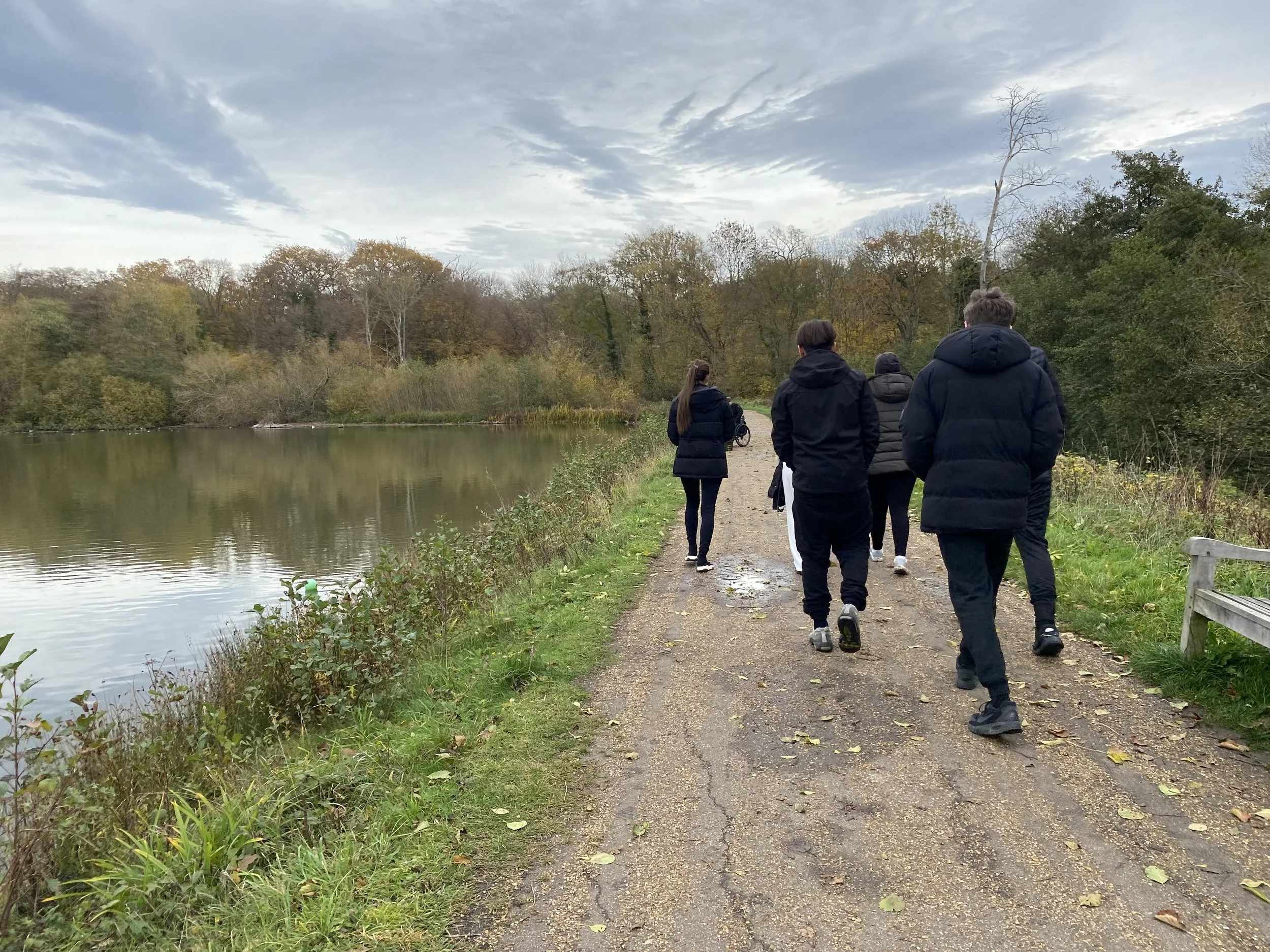
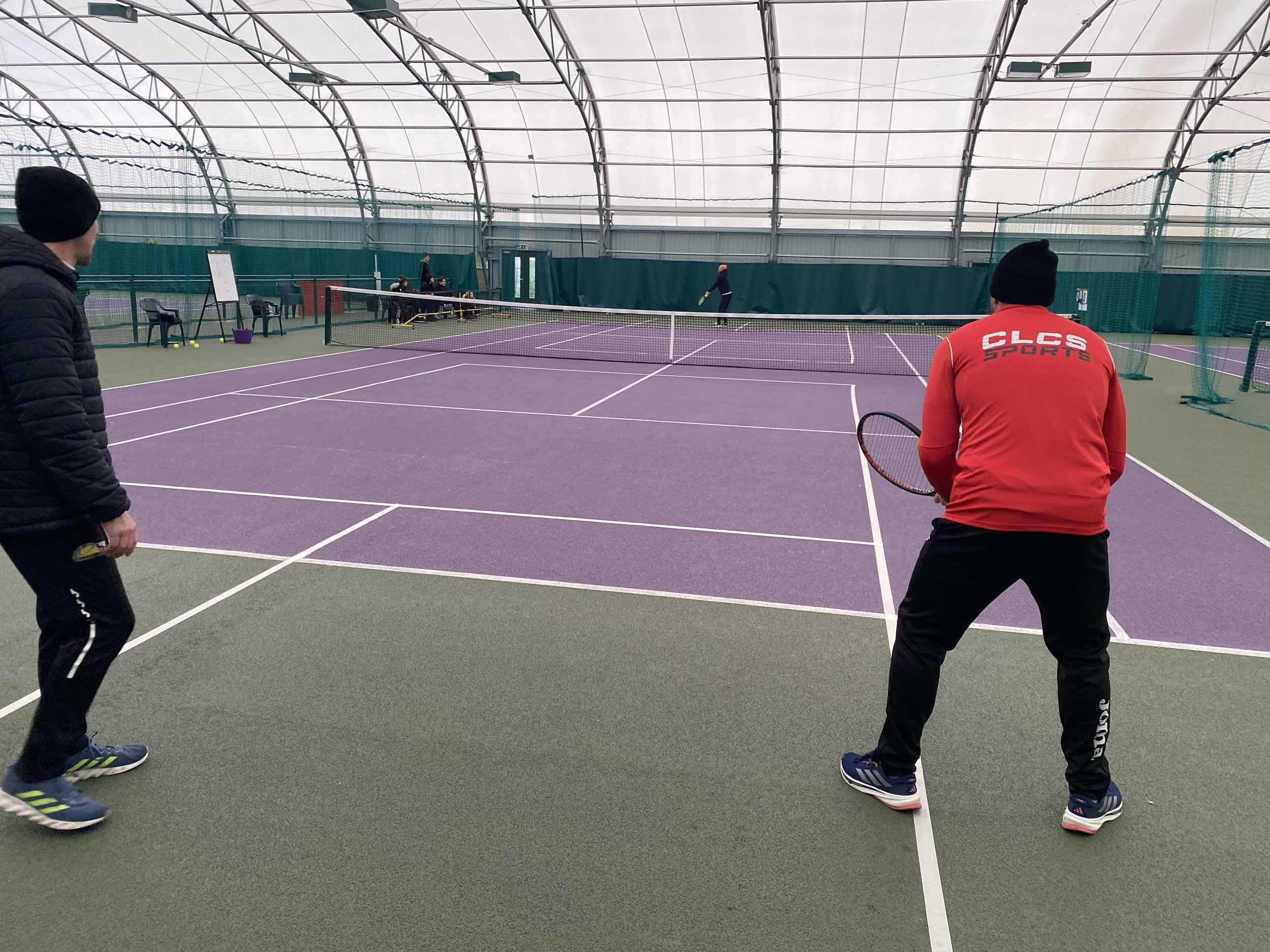
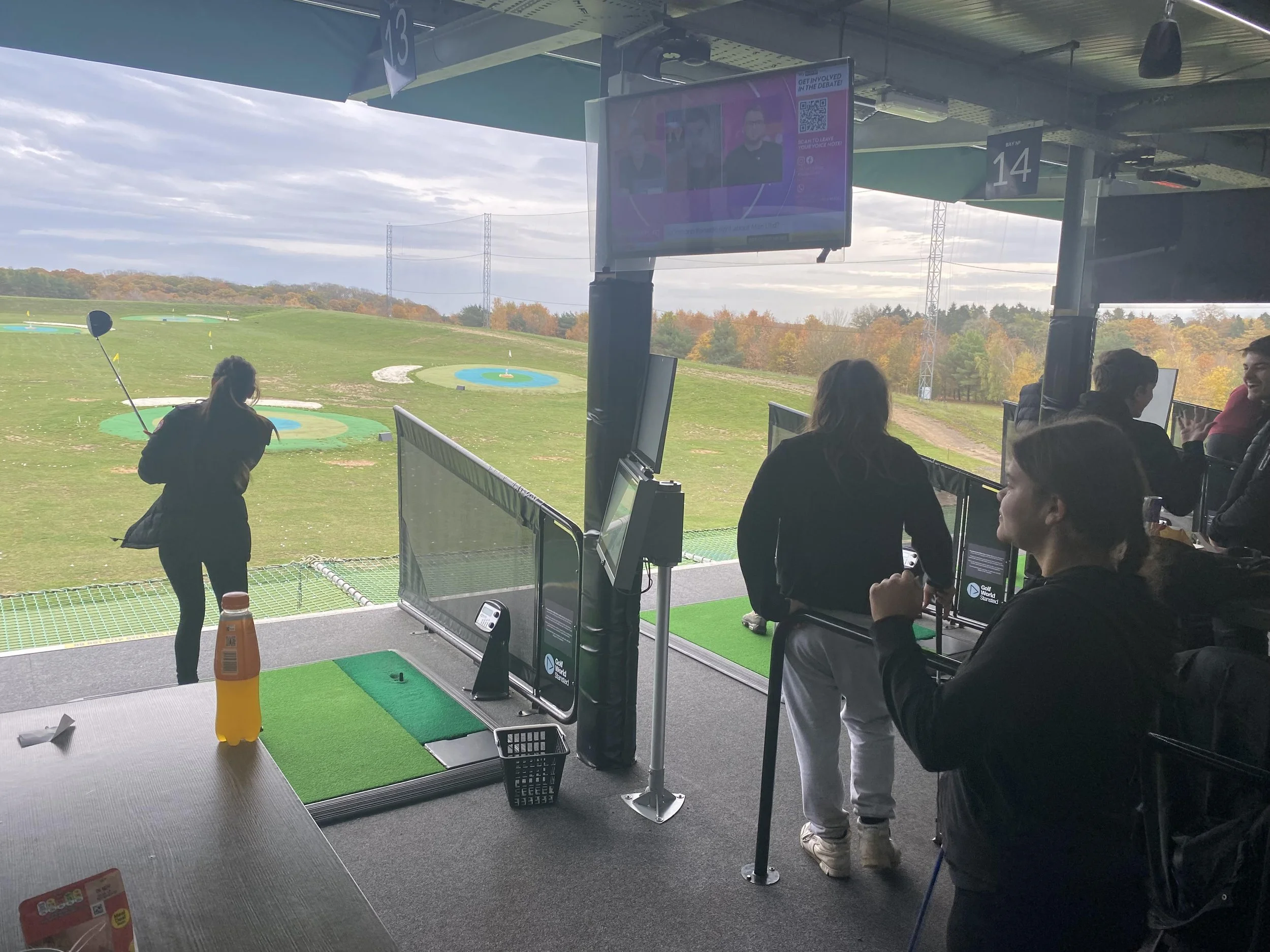
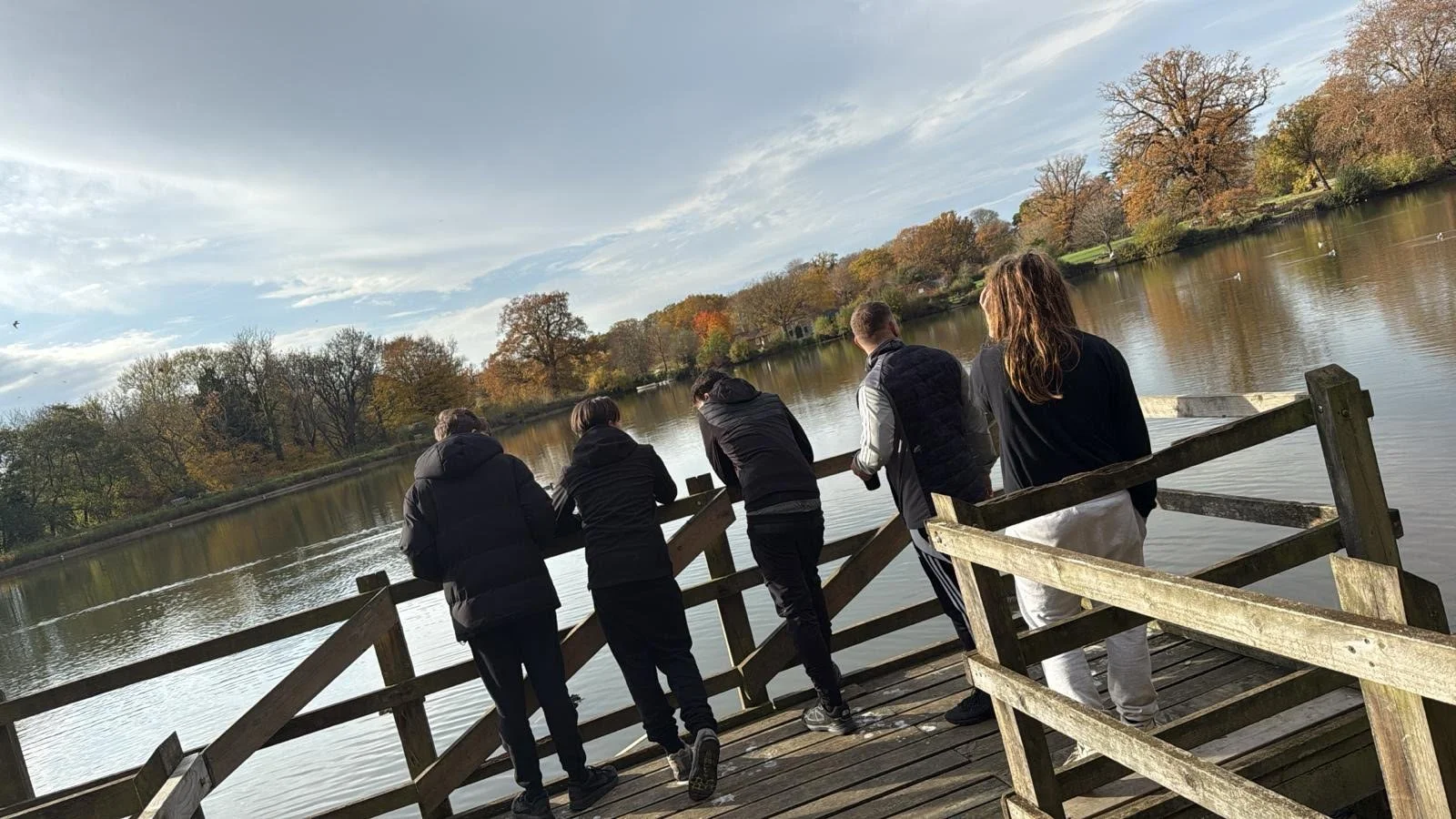
During this quarter, a diverse range of sports and physical activities were offered to participants. These included boxing, fitness classes, gym training, TikTok-inspired boxing sessions, nature walks, golf, and paddle. This varied programme ensured that there was something to suit a wide array of interests and abilities, encouraging engagement and supporting both physical and mental wellbeing.
Learning and development offered?
What types of learning and development did we offer in additional to your regular provision and activities: Interview techniques, ASDAN qualifications, preparation for higher education or employment, social skills, volunteering opportunities, suicide awareness, mentoring, and one-to-one support
Adult volunteers: Number: 8
Number of young people with improved social skills: 72
(Social skills are learned abilities that allow us to effectively communicate, interact, and build relationships with others. These skills encompass both verbal and non-verbal communication, including active listening, empathy, respect, body language, and tone of voice, all of which help us navigate social situations and understand unwritten rules. Strong social skills lead to positive relationships, better mental health, increased success in personal and professional life, and overall social competence.)
Social Skills evidence (Young people)
We observed several indicators that demonstrated an improvement in young people's social skills throughout the course. Many participants became noticeably more confident when engaging in group discussions and activities, showing greater willingness to contribute ideas and listen to others. In addition, there was a marked increase in positive peer interactions, with young people displaying empathy, respect, and effective communication both verbally and non-verbally. Feedback from both the young people themselves and the adult volunteers highlighted enhanced cooperation, better conflict resolution, and a more supportive group atmosphere, all of which are strong evidence of developing social competence.
Mental Health and emotional well being number: 72
(Mental health is your overall cognitive, emotional, and behavioural well-being, encompassing your ability to cope with life's stresses, work productively, and contribute to your community.)
Mental health and well- being evidence (young people)
Evidence of improved confidence, emotional well-being, self-esteem, and resilience among young people was gathered through a combination of observation, participant feedback, and input from adult volunteers. Throughout the course, many young people became more willing to engage in group discussions and activities, indicating a boost in confidence. They demonstrated greater openness in sharing their thoughts and ideas, and showed increased initiative in taking on new challenges within the group setting.
Additionally, there was a notable improvement in peer interactions, with participants expressing empathy and respect for one another, and managing conflicts more constructively. Adult volunteers observed that young people were more supportive of each other, which contributed to a positive and nurturing group environment. Feedback from the young people themselves often mentioned feeling happier, more valued, and better able to manage their emotions in various situations, all of which are strong indicators of enhanced emotional well-being and self-esteem.
Furthermore, the ability of young people to cope with setbacks and adapt to changing circumstances improved over the duration of the programme, reflecting increased resilience. This was evident in their willingness to persevere through challenges, seek help when needed, and support their peers in overcoming difficulties. Collectively, these observations and feedback confirm that the course had a significant positive impact on the confidence, emotional well-being, self-esteem, and resilience of the young participants.
Education status, employment or training change (Young people): 10
Several young people who participated in the Smart Courses experienced positive changes in their education, employment, or training status. For example, some individuals who had previously disengaged from formal education re-enrolled in school or college after completing the programme. Others secured work experience placements or apprenticeships, building on the confidence and skills developed during the course.
In addition, a number of participants took proactive steps towards employment, such as preparing CVs, attending interviews, and actively seeking job opportunities. There were also cases where young people enrolled in further training or vocational courses, demonstrating increased motivation to pursue their career goals.
The impact of these changes has been significant, as participants reported feeling more optimistic about their future prospects and better equipped to overcome barriers to employment or education. This progress directly contributes to reducing the number of young people who are NEET (Not in Education, Employment, or Training), reflecting the positive influence of the Smart Courses and their delivery on participants’ lives.
Challenging behaviours (young people): 12
During the sessions, young people’s behaviours presented in a variety of ways. Some participants initially exhibited disengagement, reluctance to participate, or disruptive conduct, such as interrupting activities or showing resistance to group work. Others required additional encouragement to express themselves or struggled with following instructions and maintaining focus. In several cases, young people were already known to external agencies or required family support due to challenging behaviours at school, home, or within the community.
Through consistent, supportive facilitation and a structured yet flexible approach, the sessions were able to address these behaviours effectively. Strategies included creating a safe and inclusive environment, setting clear expectations, and providing opportunities for positive reinforcement. By fostering mutual respect and encouraging peer support, the sessions gradually helped young people to build trust, develop self-awareness, and improve their social skills.
As the programme progressed, many participants demonstrated noticeable changes in behaviour. There was an increase in engagement, cooperation during group tasks, and willingness to share their thoughts and feelings. Some previously disruptive individuals began to contribute constructively, seek help when needed, and support others. These shifts were supported by reflective activities and open discussions, which allowed young people to explore the consequences of their actions and develop healthier coping mechanisms.
Overall, the sessions not only managed challenging behaviours but also supported lasting positive change by empowering young people to regulate their emotions, communicate more effectively, and actively participate in their own personal development.
Challenges: Provider feedback
Throughout the duration of the project, several challenges were encountered, notably non-attendance and low attendance among some young people. These issues were often linked to external factors such as the timing of sessions and the location of the venue, which at times presented barriers to participation. For example, sessions scheduled that clashed with other commitments or in venues that were not easily accessible by public transport made it difficult for certain participants to attend.
To overcome these challenges, adjustments were made to session timings to better accommodate participants’ schedules, including offering sessions on weekends where possible. Efforts were also made to select venues that were centrally located and easily reachable for the majority of attendees outside of the usual gym sessions. In addition, regular communication with both participants and their families helped to identify individual barriers and tailor support accordingly, such as providing travel assistance or reminders about upcoming sessions.
Youth Justice: young people vulnerable to/on the cusp of or known to agencies but not yet criminalised/ Those currently under Youth Offending or other youth justice agencies.
Over the course of the programme, there has been a significant and measurable positive impact on young people within this category. Notably, we have observed a marked reduction in the number of referral cases. At the beginning of the year, and looking further back, there was an average of around 20 referrals into our programme. However, this figure has dramatically decreased, with only 1 referral recorded in the most recent quarter and a total of just 5 referrals for the entire year. This downward trend strongly suggests that the interventions and support provided have been effective in reducing the factors that previously led to referrals for youth justice concerns.
In addition to the reduction in referrals, young people have reported experiencing positive changes in their lives. There has been a noticeable decrease in community disruption and antisocial behaviour (ASB), with participants and their families highlighting that young people feel less vulnerable and more confident in making positive choices. Moreover, increased awareness and knowledge gained through the sessions have empowered many to avoid risky situations and develop strategies to stay out of trouble. For those previously known to agencies, several have demonstrated sustained progress, with some no longer requiring ongoing involvement from youth justice services.
Overall, the evidence indicates not only a reduction in offending and related behaviours, but also an enhanced sense of resilience and responsibility among the young people engaged with the programme. These outcomes reflect the success of the tailored interventions and ongoing support in helping participants to build brighter, more positive futures for themselves and their communities.
Other presenting issues:
Other presenting issues observed among the young people engaged in the programme included challenges related to mental health, such as anxiety and low self-esteem. Some participants also faced difficulties with school attendance and engagement, often linked to wider issues at home or within their peer groups. In addition, several young people reported experiencing pressures related to social media and online interactions, which at times contributed to heightened stress or conflict. By identifying these issues, the programme was able to offer targeted support and signposting to appropriate services, ensuring that young people received holistic assistance tailored to their individual needs. This comprehensive approach contributed to a more supportive environment, enabling participants to better manage their challenges both within and outside the programme.
Quotes and Inspirational Stories from Young People
Below are a selection of quotes and feedback provided by young people who have participated in our project. These reflections capture the positive outcomes and transformative impact the programme has had on their lives:
"Before joining, I felt like I didn't have many options, but now I feel much more confident about choosing the right path."
"The project helped me realise I don't have to follow the crowd. It's OK to make my own decisions and stand up for myself."
"Since coming here, I don't get into trouble as much and I know how to keep out of situations that could get me into bother."
"I never thought I'd enjoy these sessions, but they've made me feel less alone and more able to talk about what's going on at home and school."
"I've learned a lot about how to handle stress and not let online stuff get to me as much. It’s made a real difference."
"I used to skip school a lot, but now I can talk about what’s worrying me and get help instead of hiding away."
These quotes demonstrate the meaningful impact of the project, not only in reducing antisocial behaviour and referrals, but also in empowering young people to make positive choices, build resilience, and seek support when needed. Their voices are testament to the project’s success in creating a supportive and transformative environment.
Quotes and Feedback from Schools, Agencies, Parents/Carers
In addition to the insightful reflections from young people, feedback from schools, statutory agencies and parents/carers further highlights the significant changes observed since young people began attending our project.
"Since joining the programme, we've noticed a marked improvement in attendance and engagement at school. Pupils seem more motivated and less likely to disengage from learning."
"The sessions have had a positive ripple effect on our students' behaviour. There has been a noticeable reduction in incidents and referrals, and young people appear more equipped to resolve conflicts constructively."
"We've seen an increase in resilience and emotional wellbeing among pupils participating in the project. They're more open to seeking support and are better able to manage stress and anxiety."
"As a parent, I've witnessed my child become more communicative and confident. The project has given them the tools to talk about their worries and to make healthier choices."
"Our agency has observed that young people attending the provision are less likely to be involved in anti-social behaviour. The support provided has truly made a difference in their lives and the wider community."
"The project’s approach to involving families has strengthened relationships at home. Parents have reported feeling more reassured and supported, knowing their children have a safe space to turn to."
Collectively, these comments from schools, agencies, and carers reflect the broad and positive impact of the project, reinforcing its role in fostering personal growth, improved behaviour, and stronger support networks for young people.
Awards achieved and outcomes, post course.

changes to a young person education status since our support and any changes in of areas seen from our support:
In addition to the qualitative feedback received from schools, statutory agencies, and parents/carers, we are proud to share further evidence of our programme's impact, specifically regarding the positive transitions of young people following their participation.
Notably, ten of our recent participants have now secured full-time employment, a direct outcome of the robust partnerships we have established with local businesses. These businesses have not only provided job opportunities but also actively supported our young people as they moved into the world of work. The collaborative approach between the project and the business community has enabled these young people to transition smoothly into employment, demonstrating the tangible benefits of our provision in preparing participants for life beyond the programme.
Since gaining employment, these individuals have graduated from requiring ongoing support from our team. However, their journey with the project has not ended. Instead, they have taken on new roles as volunteers and mentors, giving back to the programme by supporting and encouraging newer and younger members. Their lived experience and understanding of the challenges faced by newcomers make them invaluable assets, and their willingness to contribute ensures that the cycle of peer support continues within the project. This progression not only highlights the development of their own skills and confidence but also strengthens the sense of community and support that underpins our work.
Overall, these outcomes underscore the effectiveness of our provision in fostering positive educational and employment pathways, as well as nurturing a culture of giving back and peer-led support among our participants.
