AEF Sports and Life Skills 1-1 Provider Impact Evaluation FormQuarter 1 – April, May, June 2026
Overall Successes of your project/ provision in this quarter?
Please tell more about the:
Intended outcomes you met,
Unintended successes - for example, Impact and outcomes of the course, reach and engagement of target audience.
Partnership working with agencies, schools, community groups.
Young people’s behaviour, attitude to learning, volunteering and/or training achievements your proud of.
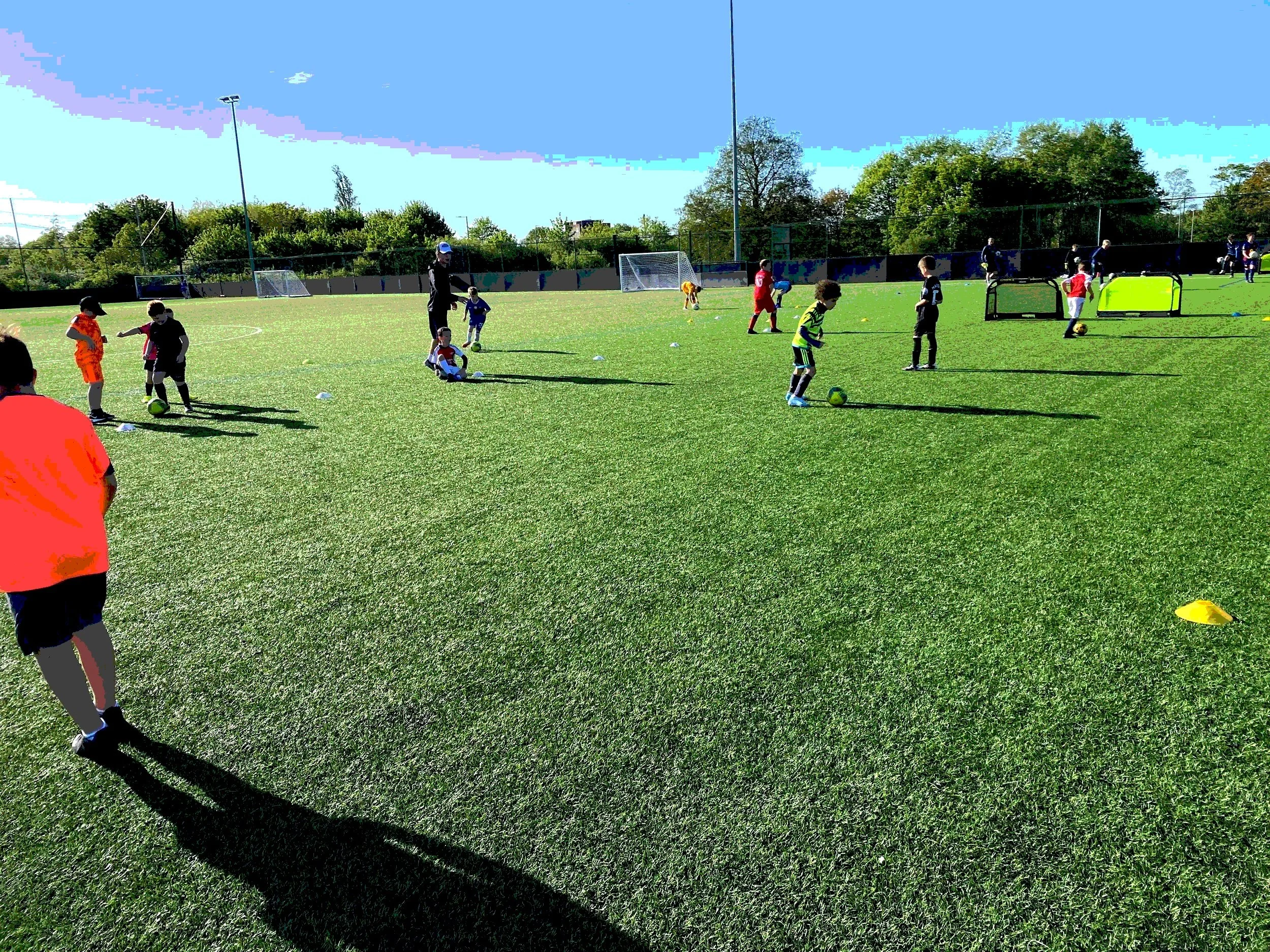
Yes, mostly. The main outcomes achieved this quarter were improved engagement, increased confidence, stronger routines, and clear progression for young people through weekly football, boxing, gym, and coach education opportunities. Regular participation gave individuals a positive structure each week and helped them build trusting relationships with staff, develop social skills, and access purposeful activities linked to their interests and future goals.
A key outcome has been one referral progressing onto the FA Level 1 coaching course and remaining on track to qualify as a coach. This shows a clear movement from participation into training, responsibility, and leadership. The young person is now supporting additional sessions outside of their programme schedule, demonstrating improved commitment, confidence, communication, and readiness to contribute positively to others.
Partnership working has contributed directly to these outcomes. Regular visits from the Youth Justice Team, including the area manager, have strengthened communication, oversight, and confidence in the programme. Additional referrals from police, social care, schools, and parents show that the provision is becoming recognised as a trusted intervention for young people who may benefit from positive engagement, mentoring, and structured activity.
Most young people who attended an introduction session have gone on to engage well, which has led to positive outcomes including improved attitude to learning, increased willingness to try new activities, better consistency, and access to further progression opportunities in sport, training, volunteering, and coaching. The main barrier has been initial non-attendance from some referrals. However, once young people attend the first session, the programme has generally been successful in maintaining engagement and supporting them to take positive next steps.
Sports and Physical activities offered: (Please let us know what sports and physical activities you offered to young people referred)
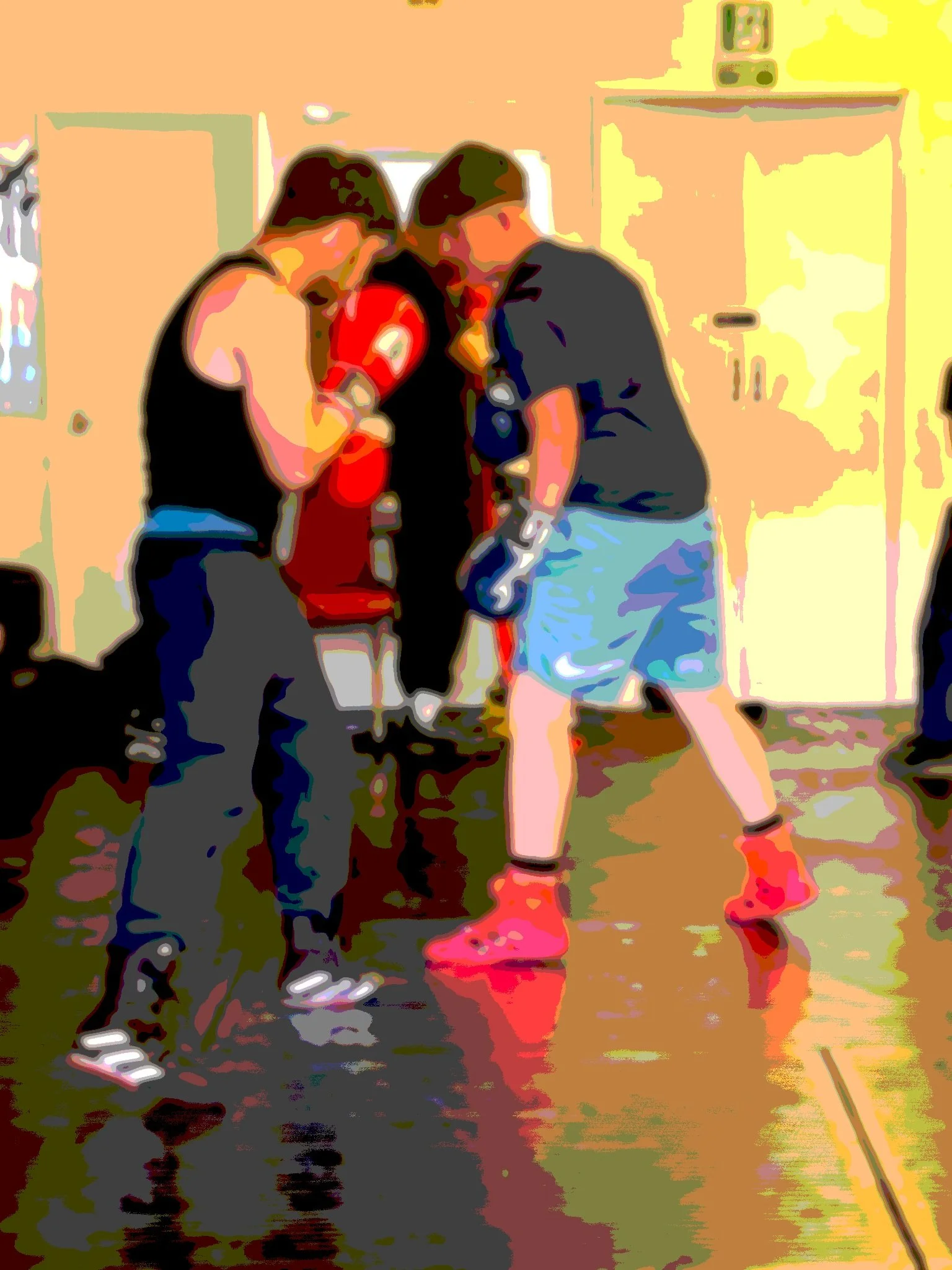
We offered a range of sports and physical activities to young people referred to the programme, including football, gym-based fitness sessions, boxing, and sports coaching. These activities were used to support positive engagement, build confidence, improve physical wellbeing, develop discipline and routine, and create clear progression pathways for young people interested in coaching, volunteering, or continuing in sport.
Learning and development offered?: (What types of learning and development did you offer in additional to support: For example, did you offer Duke of Edinburgh awards, Football Association (FA) Play Maker award, First Aid Youth Mental Health. We are looking to build a picture of how your 1-1 support has enabled a young person to progress and achieve more than the intended sport and mentoring. This can be additional opportunities to support young peoples learning beyond the 1-1 session.)
- AEF Asdan Sports and Life Skills
- FA Introduction to Football
- Safeguarding Children
- Emergency First Aid
- Communication techniques
- Employment / Work experience
Youth volunteers: Number
3
Hours: youth volunteering
13
Social Skills recorded number
5
Social Skills evidence (Young people): (Please tell us how you know young peoples social skills were improved)
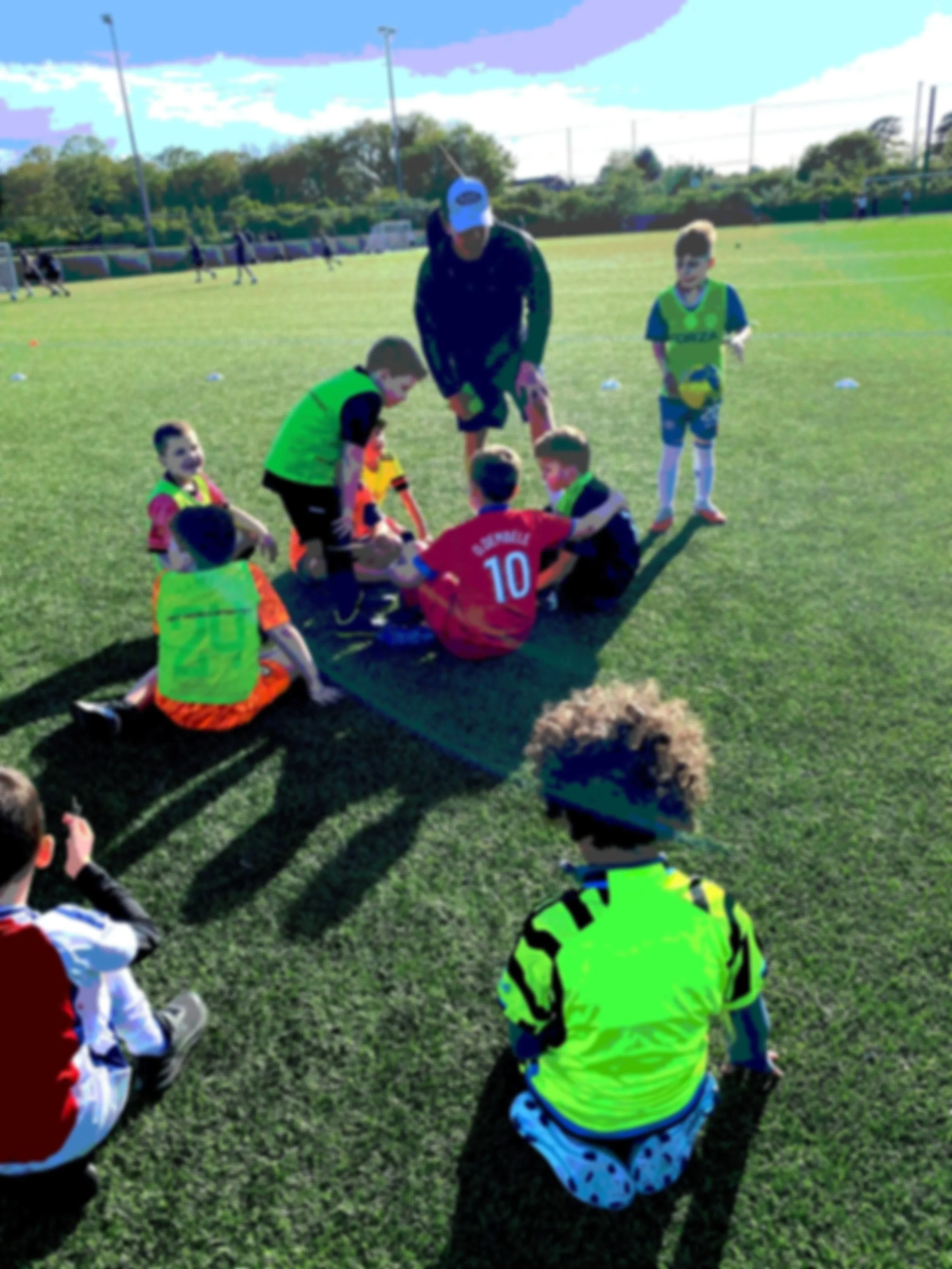
We evidenced improvements in young people’s social skills through their behaviour and communication during volunteering and coaching sessions. Referrals were given opportunities to support lead coaches, help set up activities, encourage younger players, and take part in delivering small parts of football, gym, boxing, and sports coaching sessions. Over time, we observed young people becoming more confident in speaking to others, listening to instructions, asking appropriate questions, and responding positively to feedback.
Examples included young people observing how lead coaches communicated with players, managed behaviour, explained activities, and gave encouragement. They then began to copy these positive communication techniques when supporting sessions themselves, such as giving clear instructions, using respectful language, encouraging players who were unsure, and helping younger participants stay focused and involved.
We also saw improved communication with peers, players, and parents during volunteering sessions. Some young people became more comfortable introducing themselves, explaining what activities were taking place, supporting teammates, and speaking politely to parents at the start or end of sessions. This showed progress in confidence, teamwork, patience, listening, and awareness of how to communicate appropriately in different situations.
Mental Health and emotional well being number
5
Mental health and well- being evidence (young people): (Please tell us how you know young peoples confidence, emotional well-being, self esteem and resilience were improved)
We know young people’s confidence, emotional wellbeing, self-esteem, and resilience improved through the way they engaged in sessions over time. Young people who were initially quiet, hesitant, or unsure became more willing to take part in football, gym, boxing, and sports coaching activities, ask questions, speak with coaches, and try new challenges. Their attendance and willingness to return to sessions also showed that they were building trust, routine, and a sense of belonging within the programme.
Examples included young people becoming more comfortable communicating with staff and peers, accepting feedback more positively, managing frustration better during activities, and showing pride when they achieved something new. Through volunteering and coaching opportunities, some young people also demonstrated increased self-esteem by taking responsibility, supporting younger players, and seeing themselves as positive role models. These changes showed improved resilience, confidence, and emotional wellbeing, particularly when young people were able to overcome nerves, setbacks, or previous negative experiences and continue engaging with the programme.
Education status, employment or training change (Young people) (How many young people either during your 1-1 support or as part of your community offer have had a change in their education status ( example- now in full-time education or moved from Alt provision into mainstream school), Did any young people gain employment or enter training.)
3
Education, employment or training examples (young people) (Please give examples of changes to education, employment or training status and its Impact. This information helps us understand how the your 1-1 support or community sessions has had having a positive impact on reducing NEET ( Not in Education, Employment, Training)
During Quarter 1, 50% of our cohort had a positive change in their education, employment or training status. Two young people gained employment, which meant they were able to finish their time on the project having progressed into work. This was a significant outcome, as it showed that the support, routine, mentoring, and confidence developed through the programme helped them move towards independence and reduce their risk of being NEET.
Another young person enrolled onto the FA football coaching course pathway and is currently on track to progress towards employment in football coaching. Through completing the course and gaining more practical experience through volunteering and supporting sessions, they are developing the skills, confidence, communication, and leadership needed to work in a coaching environment. This demonstrates a clear progression route from engagement in sport to training, work experience, and future employment.
Youth Justice: young people vulnerable to/on the cusp of or known to agencies but not yet criminalised/ Those currently under Youth Offending or other youth justice agencies. (Please tell us any changes recorded, impact seen in young people you have supported this quarter. For example: young peoples behaviour at the sessions is no longer challenging, disruptive or they are more engaged, willing to participate.
They, themselves are no longer engaged in youth criminality, less vulnerable to the pressures of others, increased awareness and knowledge to make positive choices. Reduction in offending behaviours.)
All regular attendees showed no signs of negative behaviour while in our company and consistently presented themselves well during sessions. Young people were respectful towards staff, peers, volunteers, and other participants, and they engaged positively in football, gym, boxing, and sports coaching activities. They followed instructions, listened to coaches, accepted boundaries, and showed a willingness to participate without being challenging or disruptive.
The main impact seen was that regular attendance gave young people a positive routine and safe environment where they could make better choices, build confidence, and interact appropriately with others. Their behaviour in sessions suggested increased self-control, improved attitude, and greater awareness of how to conduct themselves in a structured setting. While with us, regular attendees were engaged, cooperative, and focused on positive activities, which helped reduce vulnerability to negative influences and supported their wider personal development.

Individual outcomes - Mini case study
URN: AEF48427
How has your support made a difference? AEF48427 was socially isolated, lacked confidence, had few friends and was not in education when he joined. Through regular football coaching sessions, staff built trust and gave him small responsibilities such as setting up equipment, observing lead coaches and supporting simple activities. He is now more confident, communicates better with coaches, peers and younger players, regularly attends sessions and has started giving instructions to children during coaching.
How has support helped education, training or employment? AEF48427 has completed the FA BT Playmaker course and Safeguarding Children training. He is on track to complete First Aid, which will support progression towards the FA Level 1 coaching pathway. He has also been offered volunteering hours at HAF sports camps, giving him practical experience and a route towards future employment in football coaching.
Most successful part: The biggest success has been seeing AEF48427 move from being quiet and unsure to becoming a reliable, enthusiastic and valued part of the project. Football has helped him build confidence, routine, communication skills, responsibility and a genuine interest in a coaching career.
Most challenging part: The main challenge was his initial low confidence and limited verbal communication. Progress was slow at first, but by allowing him to build trust at his own pace and gradually increasing his involvement, he has made meaningful progress without feeling overwhelmed.
Please tell us any Quotes or Inspirational stories you have collected from young people attending your project/provision
Quotes and feedback from young people you have supported and the changes you have seen as a result of your work.
“Before I started coming here, I did not really do much and I mostly stayed at home. Coming to football every week has helped me get into a better routine and feel more confident around other people.”
“I enjoy helping the coaches and setting up the sessions. It makes me feel useful, and I like being part of the team.”
“Watching the coaches has helped me learn how to speak to younger players, explain activities, and encourage people when they are unsure.”
“The gym, boxing, and football sessions have helped me stay focused and given me something positive to look forward to each week.”
“I feel more confident speaking to coaches, other players, and parents now. I used to stay quiet, but now I can ask questions and help others during sessions.”
“Doing the coaching course has made me think I could have a future in football coaching. I want to keep learning, get more experience, and hopefully get paid work in sport one day.”
“The sessions have helped me make better choices. I feel calmer, more involved, and proud when I achieve something or help someone else.”
Quotes and Feedback from schools, agencies, parents/carers.
“We have seen a noticeable improvement in confidence and communication since the young person started attending the project. They are now more willing to speak with coaches, engage with others, and take part in positive activities.”
“The project has given the young person a positive routine and a safe environment where they can build confidence, listen to instructions, accept boundaries, and make better choices.”
“We have noticed that they present themselves well during sessions and show no signs of negative behaviour while attending. They are respectful, engaged, and focused on developing through sport.”
“The opportunity to learn coaching skills and be part of a team has had a positive impact beyond the sessions. We have seen improvements in confidence, responsibility, and attitude at home.”
“The football coaching pathway has given the young person something to work towards. They now have a clearer interest in training, volunteering, and future employment in sport.”
“Regular attendance has helped them become more settled, cooperative, and confident. The sessions have provided structure, positive role models, and opportunities to develop social and communication skills.”
Any other supporting information about your project/ provision, learning and achievements?
“Active Essex Foundation’s support has given Changing Lives Community Services the opportunity to consistently support young people in our community over a number of years. Through sport, mentoring, coaching and volunteering, we have been able to create positive pathways that help young people build confidence, develop routines, improve behaviour and access opportunities they may not have had elsewhere. The ripple effect over the last six years has been incredible to see, with many young people who first came through our referral system now becoming honourable members of the community, moving into employment, continuing in education or training, and returning to volunteer with us at events and sessions. For me, the biggest success is seeing young people progress from needing support to becoming role models for others.”
— Ben Doyle, Director, Changing Lives Community Services