AEF Uttlesford Summer provision for Secondary, from application to conclusion 2026
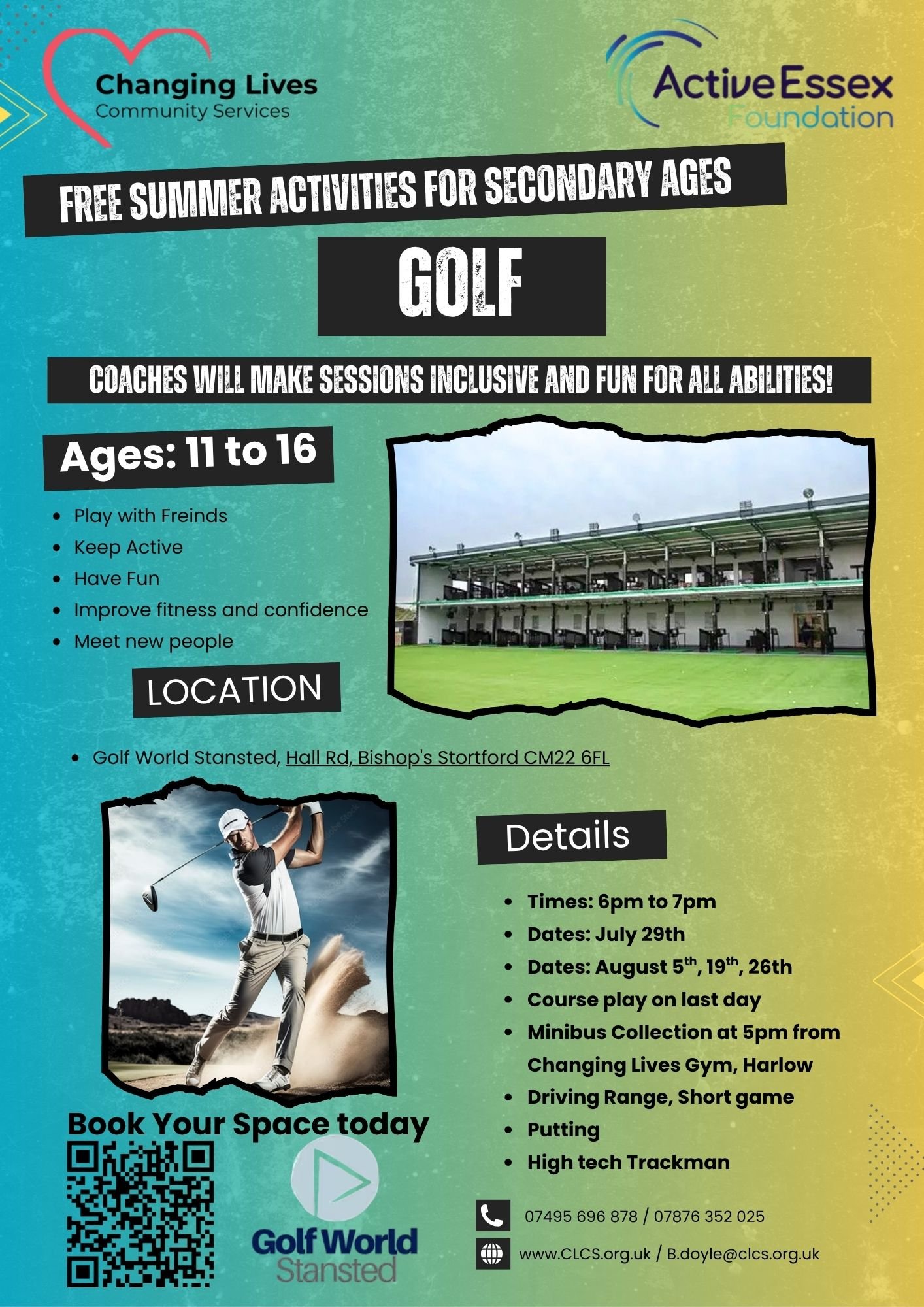
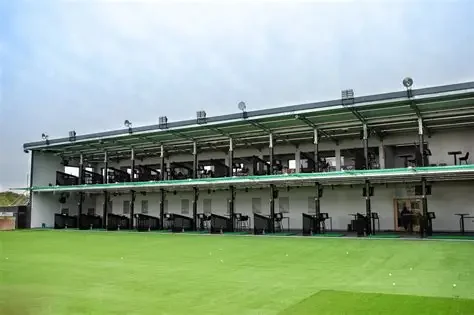
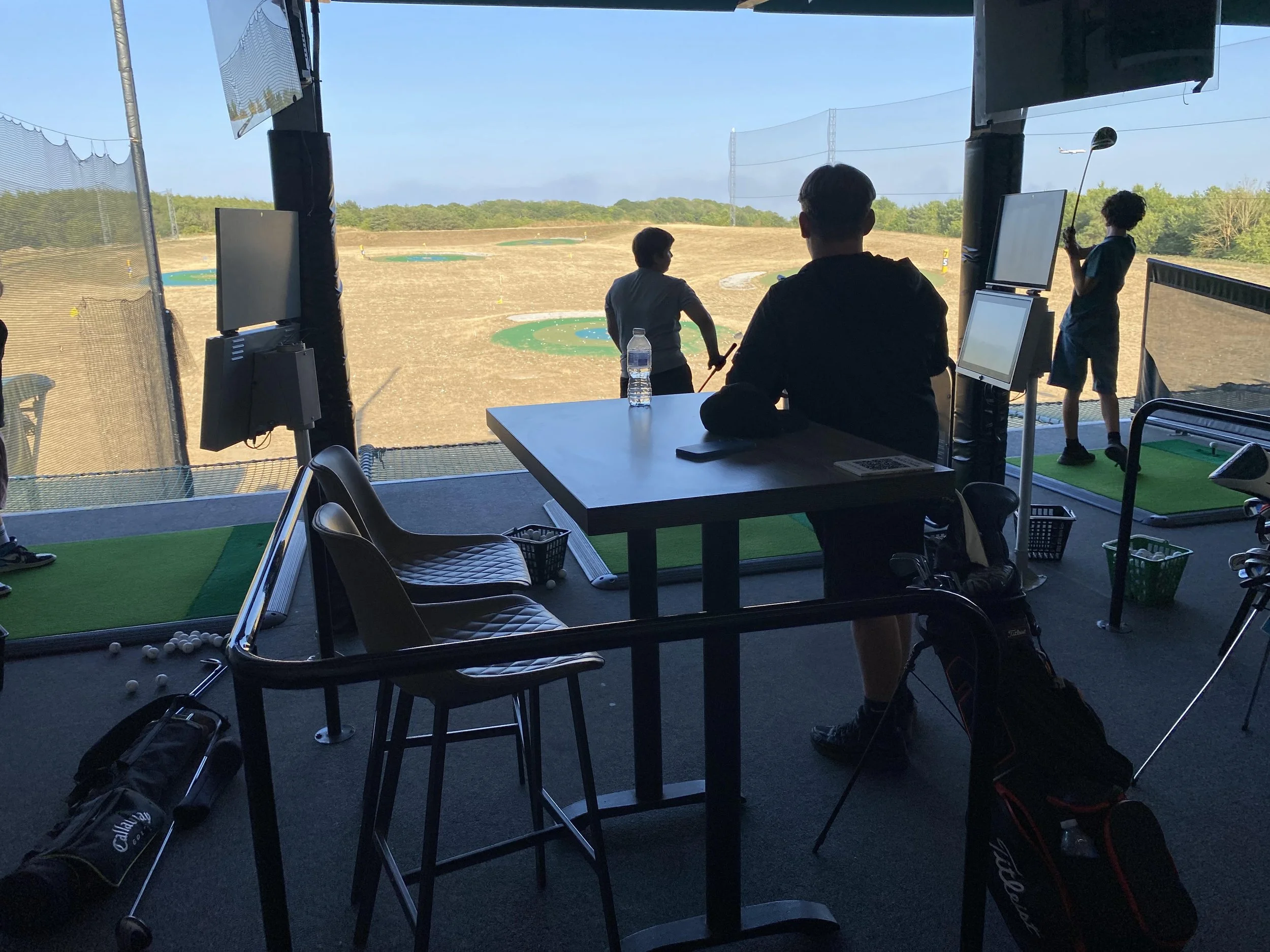
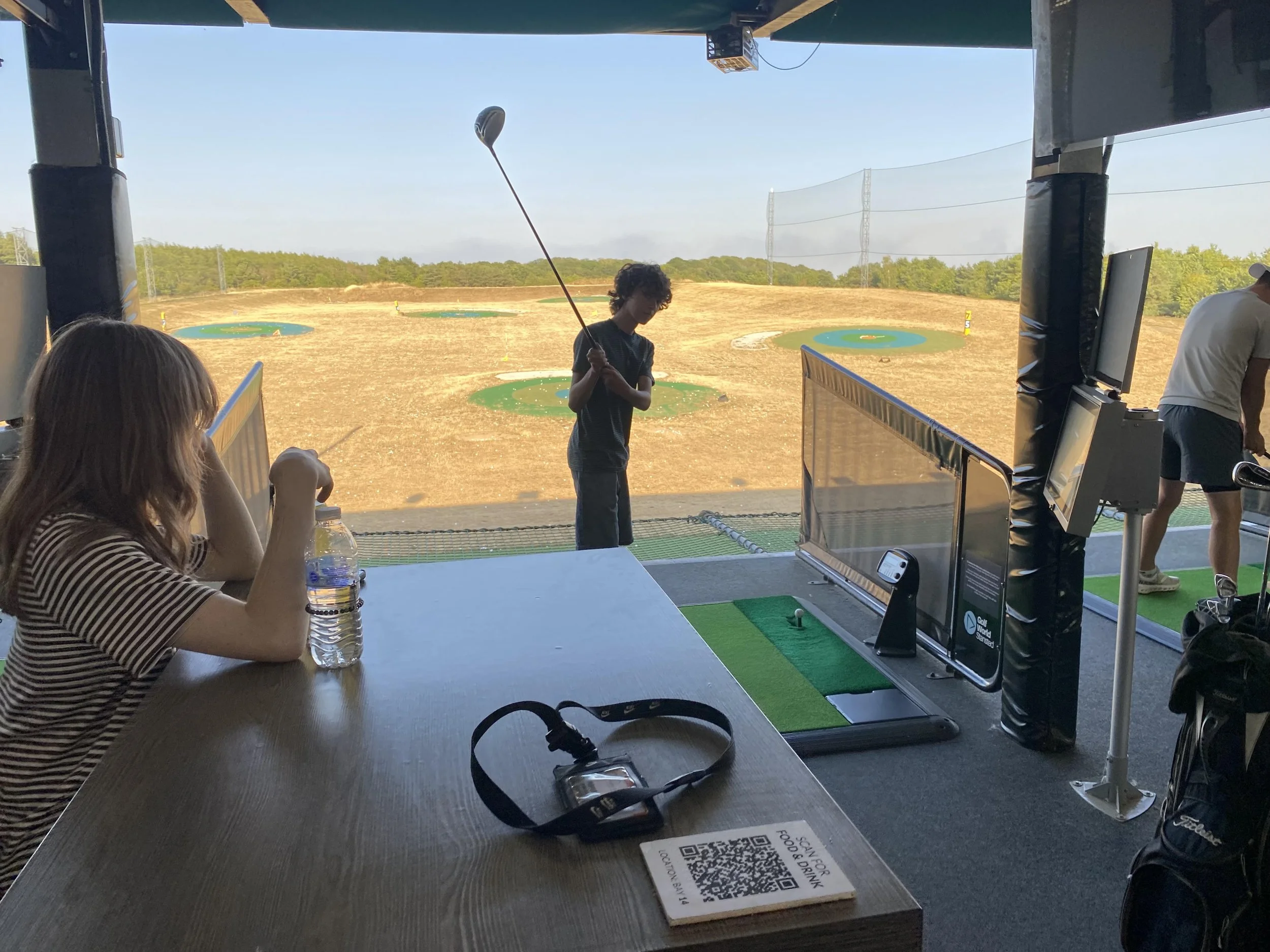
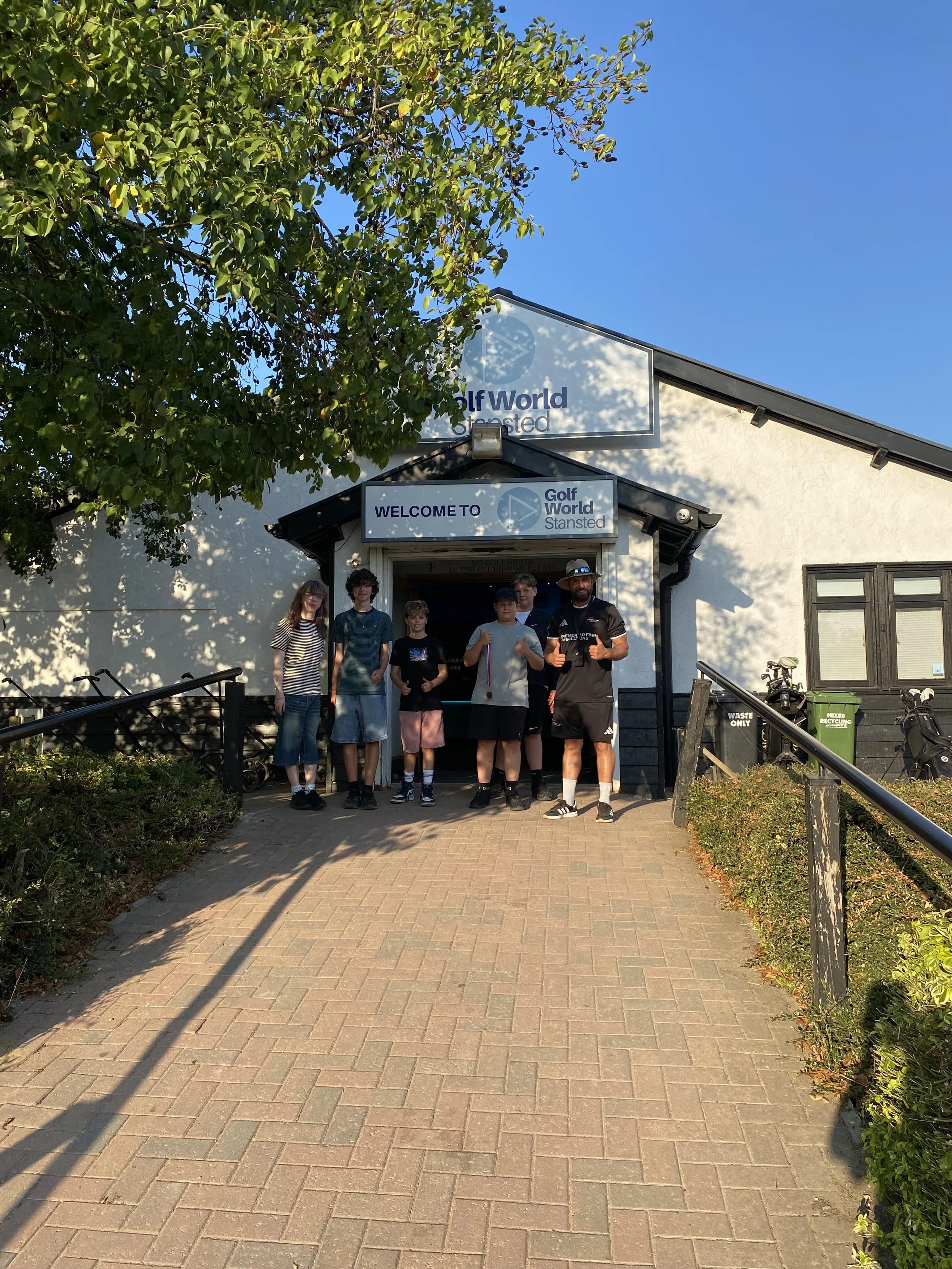
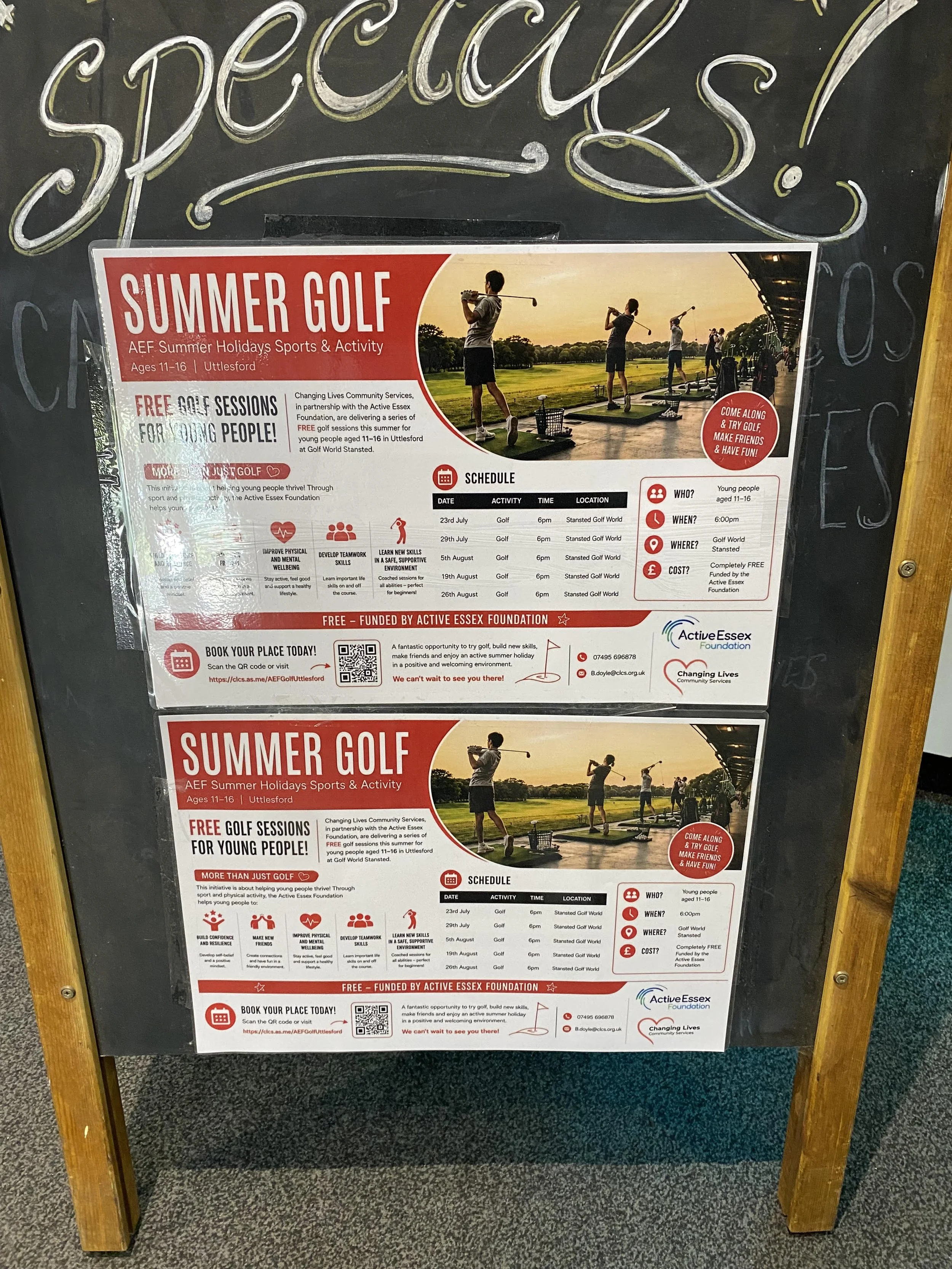
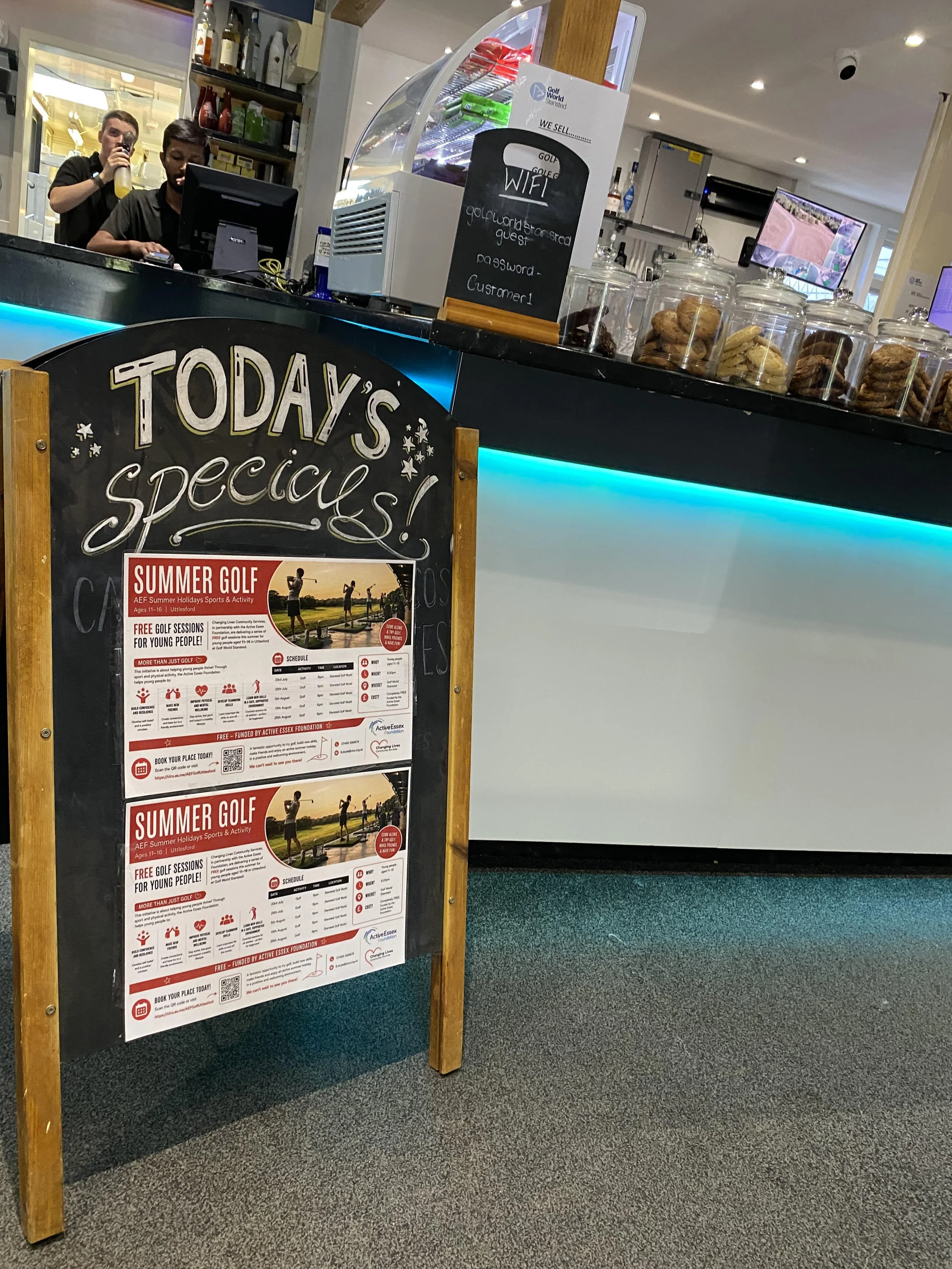
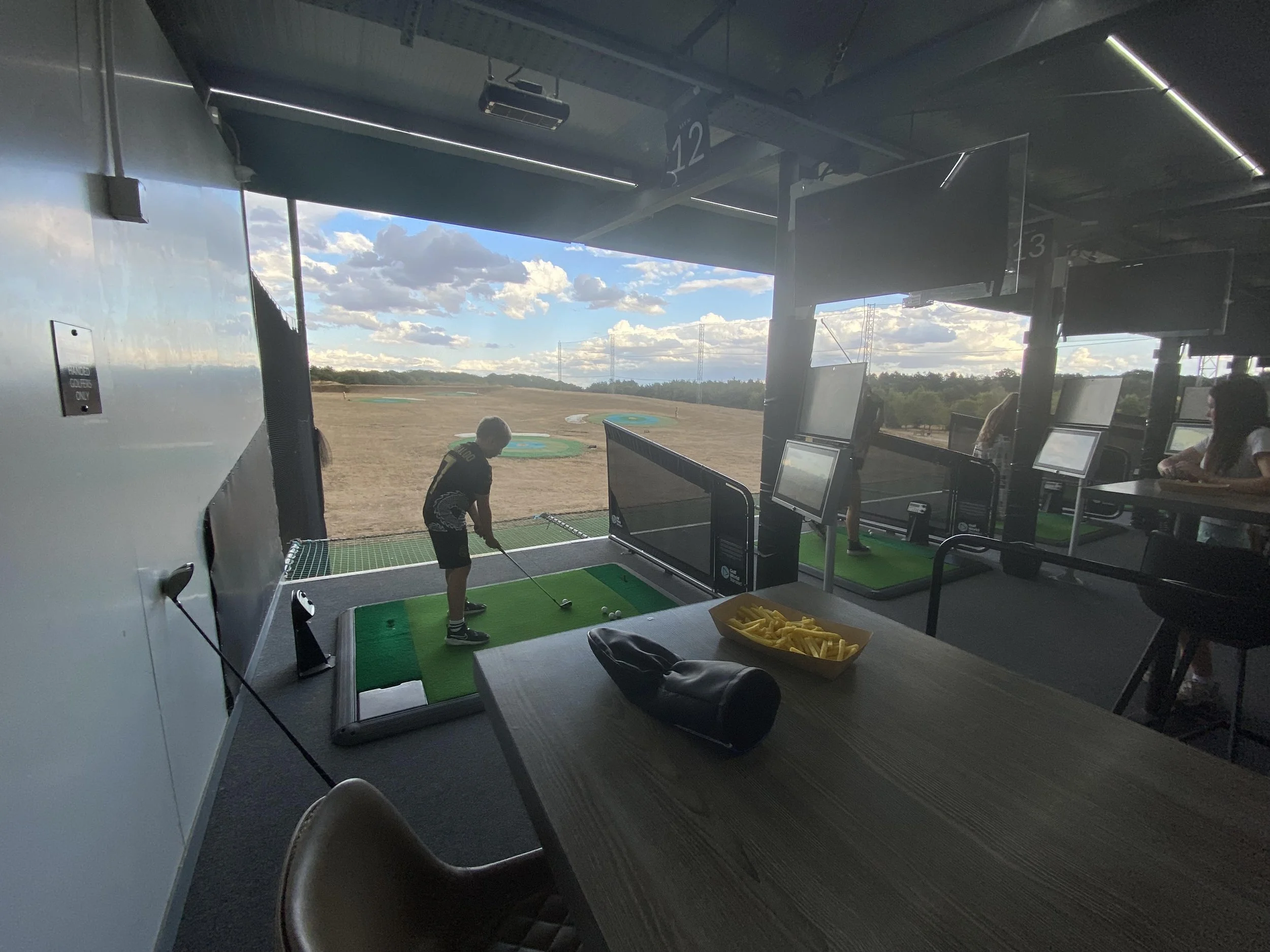
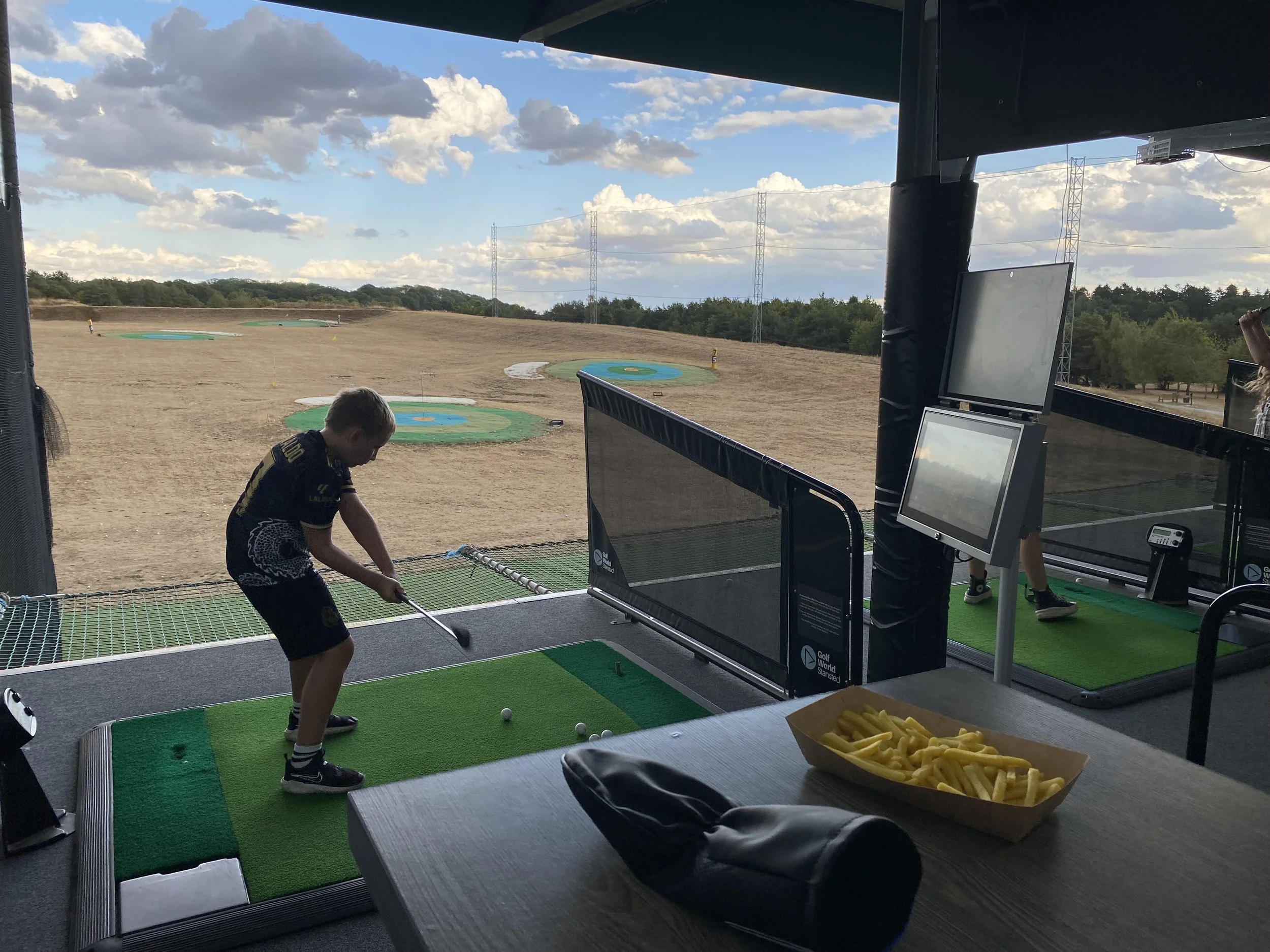
As part of our holiday provision for young people in Uttlesford, we will deliver a high-quality programme from Stansted Golf World, using golf as the core activity. This consistent local venue supports young people in rural communities who can experience social isolation and limited access to positive activities. Coached sessions will help participants build fitness, confidence and friendships in a safe, supervised setting.
Alongside golf coaching, we will run short workshops on mental health awareness, crime prevention, suicide awareness and healthy relationships to strengthen life skills and social resilience. Golf is well suited to this cohort as an individual sport that develops focus, patience, honesty and self-management; young people can track progress, manage setbacks and set achievable goals—skills that transfer to education, employment and positive decision-making. Participants will also be able to gain awards/certificates linked to employability (CV building, recruitment preparation) and leadership.
To broaden engagement, we will include creative and practical opportunities such as filming/media to capture positive achievements, healthy cooking/nutrition sessions, and supported volunteering (e.g., session set-up, peer support, community-help tasks) to build responsibility and employability. This golf-led programme will run through the Summer Holidays at Stansted Golf World, offering structured, age-appropriate activities that help young people feel connected, motivated and ready to progress.
Outcomes include:
· Improved mental and physical health and emotional resilience
· Stronger trusted relationships with adults
· Reduced isolation and risk of exploitation
· Reconnection with positive education, training, or activity
Sports and Physical activities
In the box below, please let us know what Sports and activities you intent to offer as part of your holiday provision for young people. Inc length of physical activity sessions - Scored Answer.
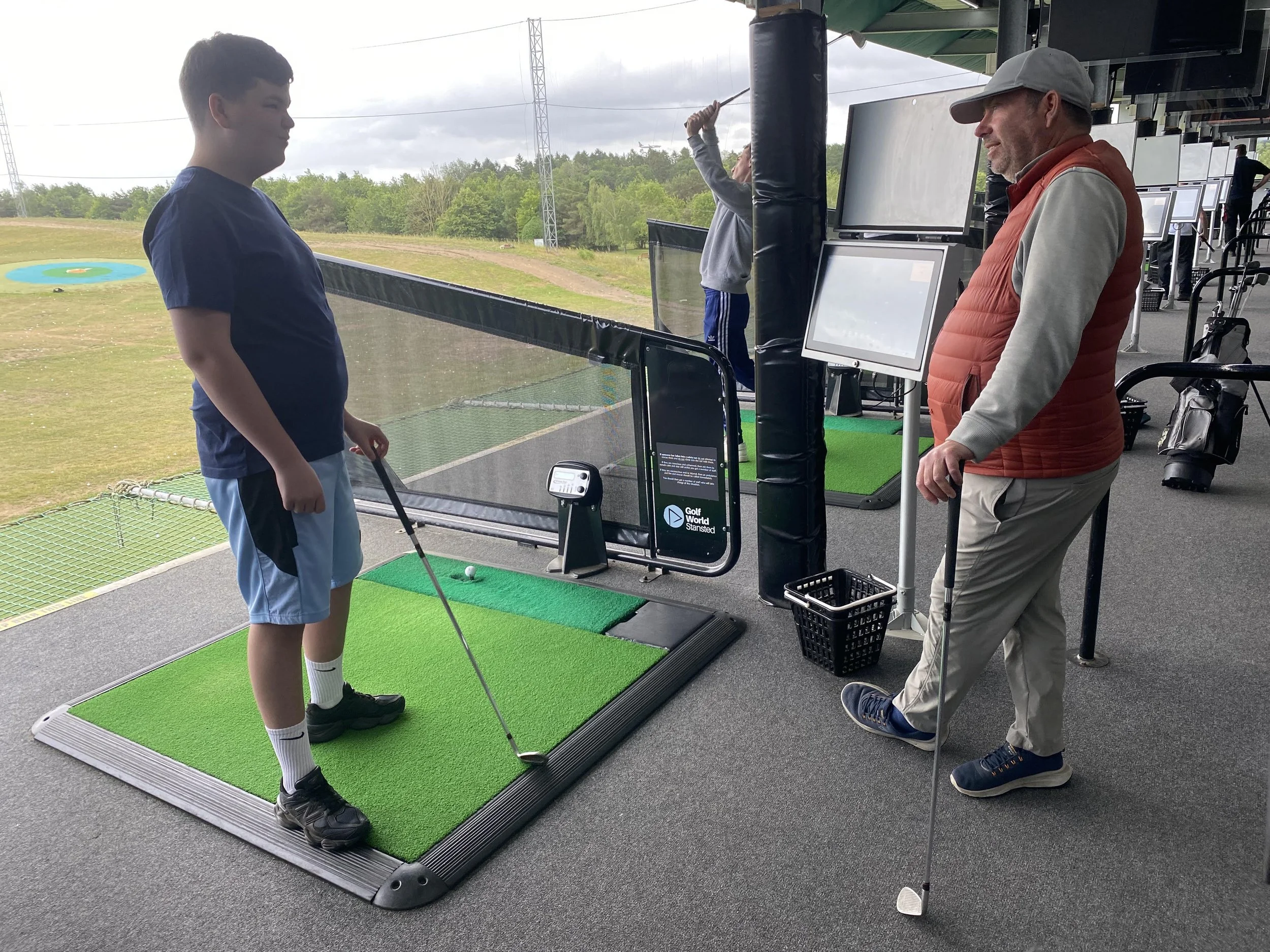
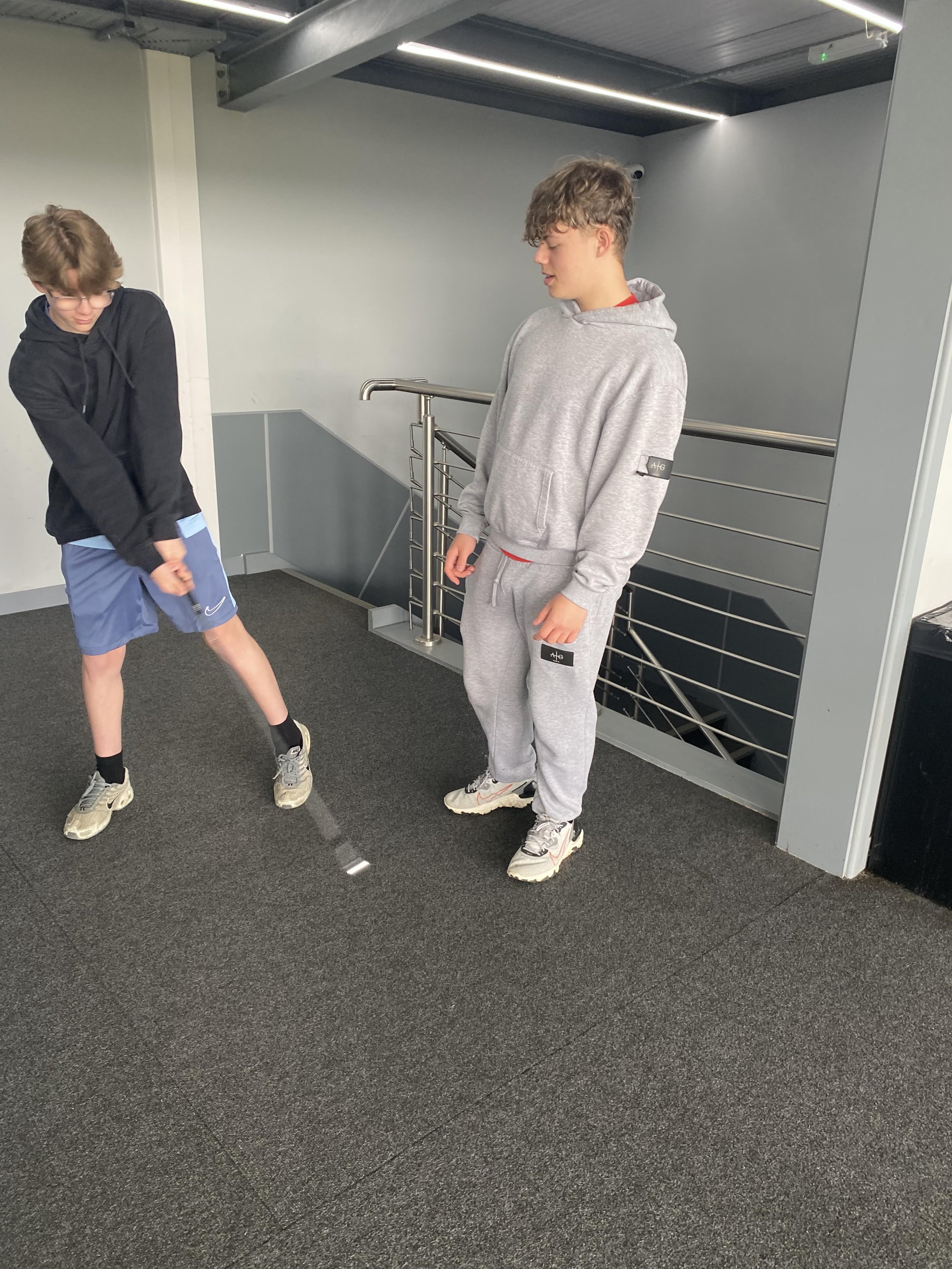
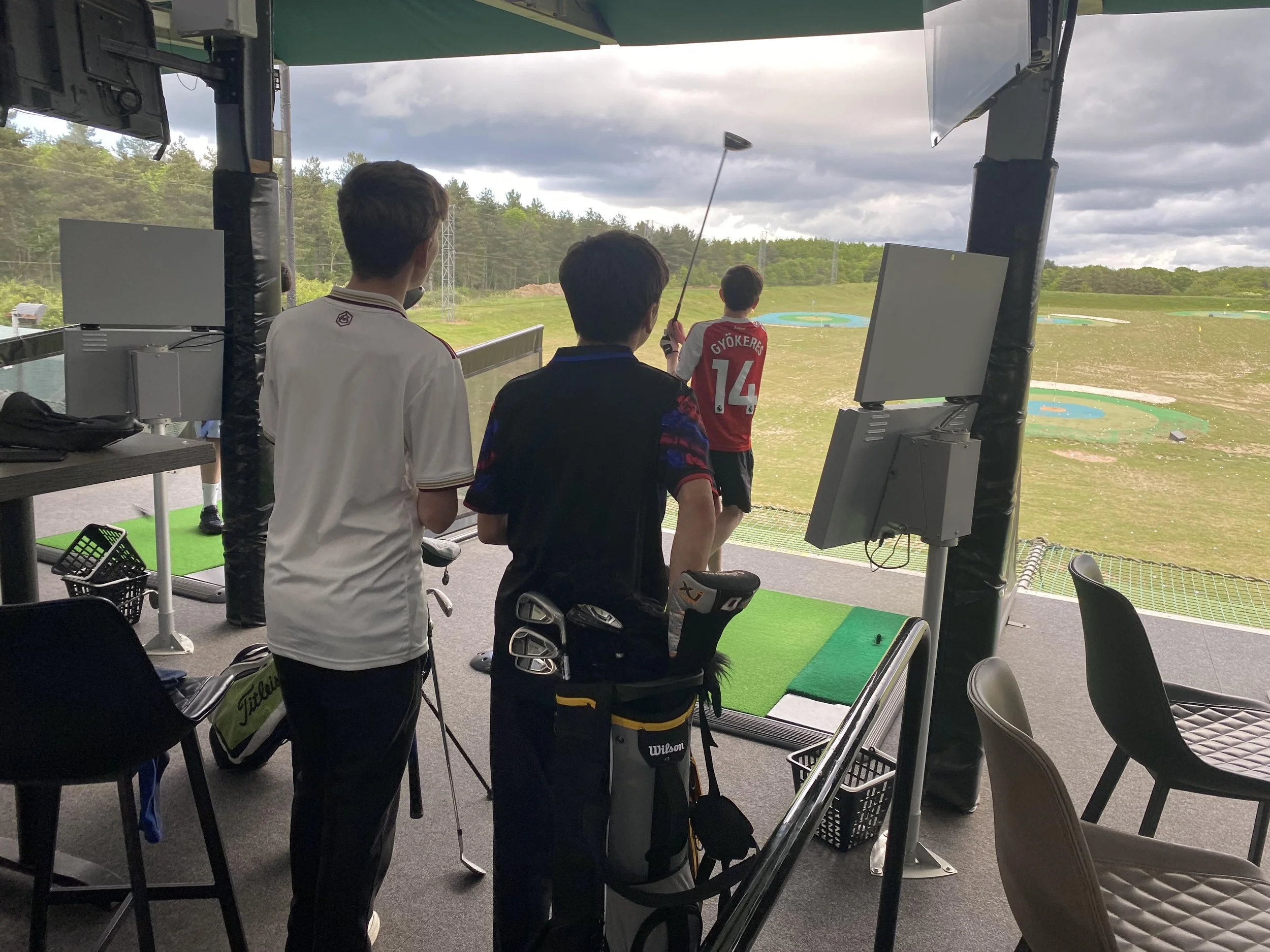
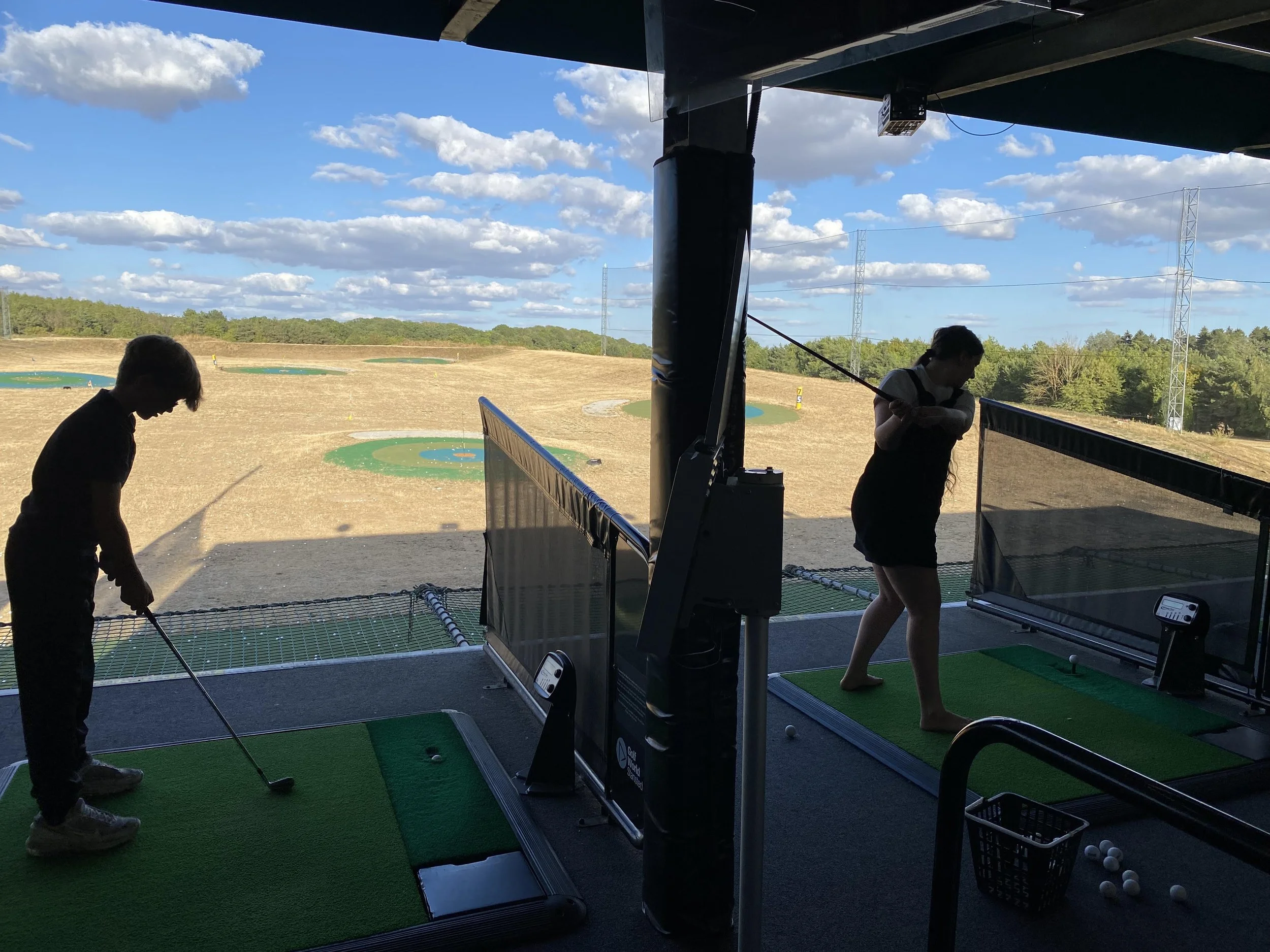
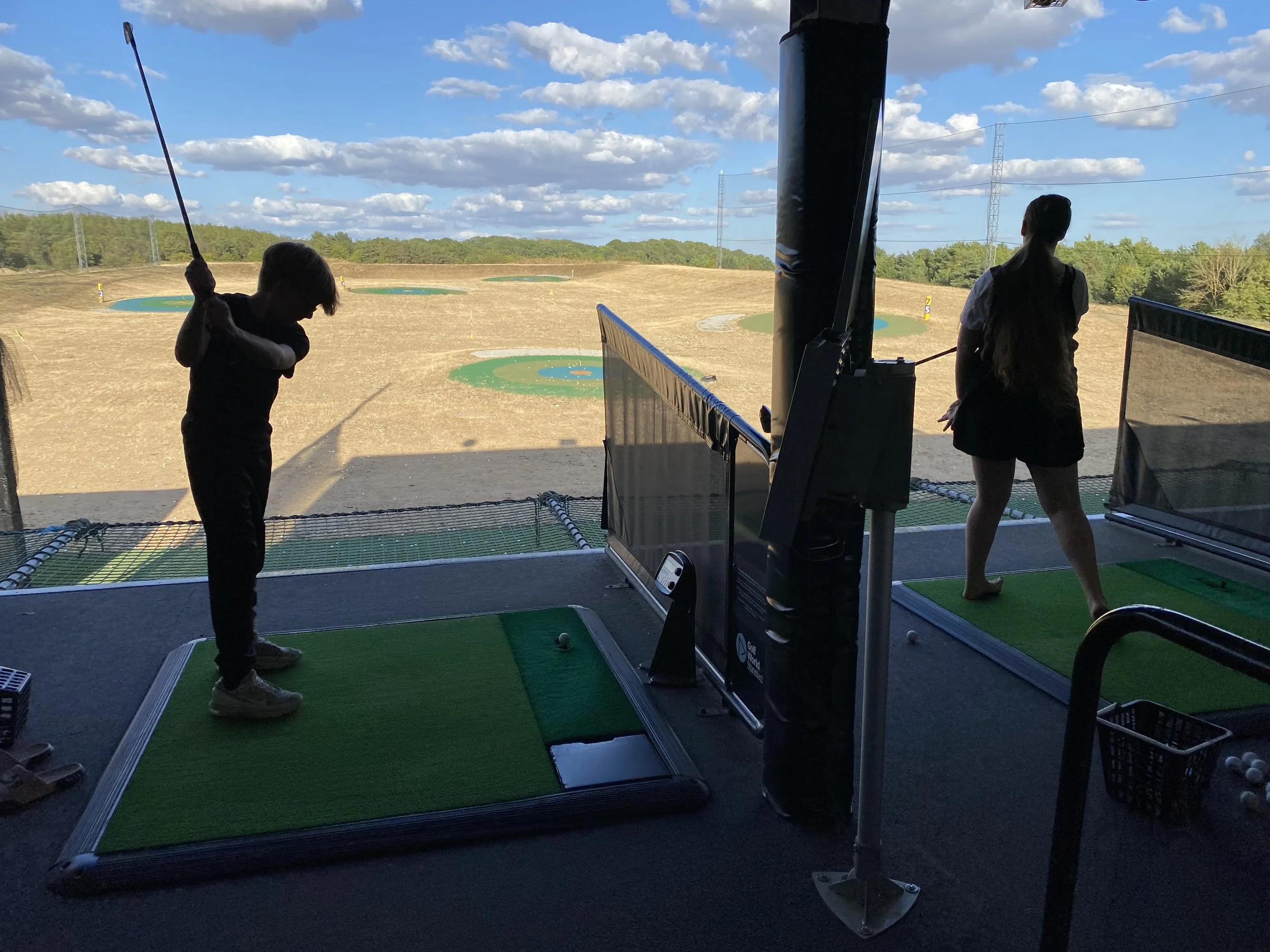
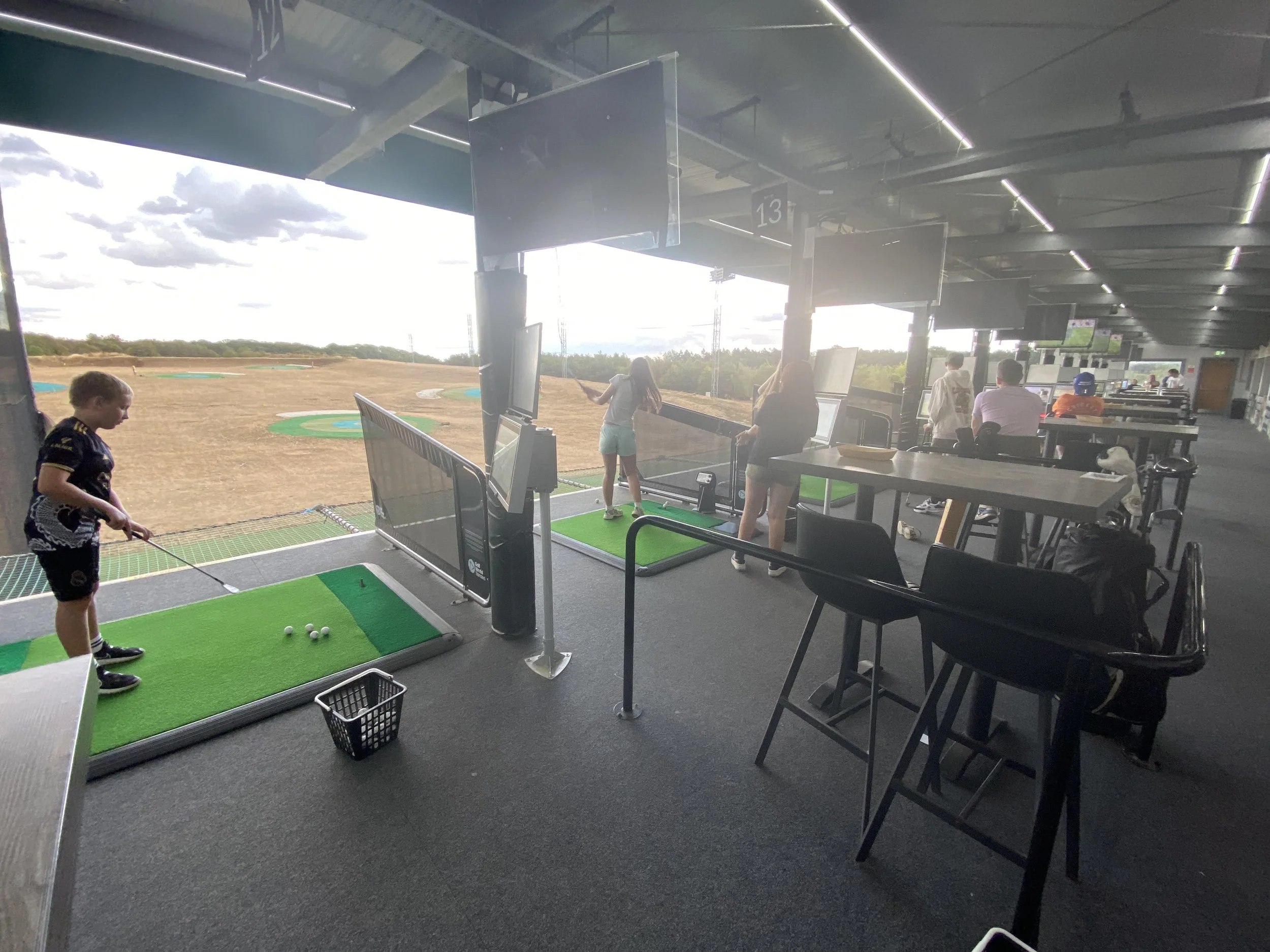
Our holiday provision will centre on golf-based physical activity designed to engage and inspire young people, delivered at Stansted Golf World. Sessions will include coached practice on core skills (grip, stance, swing mechanics and short game), driving range challenges, putting and chipping games, and fun course-style activities that build confidence and progression at every ability level. Each physical activity session will typically last between 18 minutes, providing ample time for warm-up, skill development, personal goal-setting and supported practice, while encouraging positive routines and enjoyment.
Mental wellbeing will be a central theme throughout the programme, with short inputs and reflective activities woven into sessions to develop emotional resilience, mindfulness, confidence and healthy lifestyle habits. Golf naturally supports these outcomes by helping young people manage pressure, cope with setbacks, practise patience and concentration, and recognise incremental improvement. We will incorporate the ASDAN syllabus across delivery, enabling participants to evidence personal, social and employability skills such as communication, self-management, problem-solving and leadership, and to gain recognition through accredited outcomes. This holistic approach promotes both physical and mental health, equipping young people with transferable skills for lifelong wellbeing and future success.
Staff skills and experience - AEF holiday programme is for engaging and supporting young people who are involved and/or at great risks of youth criminality, exploitation, ASB etc due to their family, community or social circumstances. Therefore we are actively looking at providers who have the skills, training and experience of supporting this cohort?
Our staff team possesses a wealth of experience and specialist training in supporting young people who are at risk of criminality, exploitation, and anti-social behaviour. Many of our team members hold relevant qualifications in youth work, safeguarding, and trauma-informed practice, ensuring that they are equipped to respond sensitively and effectively to the needs of this cohort. We regularly undertake professional development in areas such as child protection, mental health first aid, and restorative approaches, which enables us to provide a safe, nurturing environment where young people can thrive. To strengthen the quality of delivery at Stansted Golf World, our team also includes a professional golf coach who can provide structured, progressive coaching and adapt sessions to different abilities and needs.
In addition, several staff have previously worked in targeted youth support settings, including alternative education, outreach programmes, and mentoring schemes. This background allows us to build trust and rapport, and to tailor interventions that address the complex challenges faced by vulnerable and at-risk young people. We are also supported by Warren, a dedicated Golf Pro and youth mentor, who provides consistent pastoral support, helps sustain engagement, and offers 1:1 guidance where appropriate alongside the group programme. Our team is committed to fostering positive relationships and promoting resilience, empowering participants to make informed choices and realise their potential.
Partnerships and connections
We know that connecting with local partners and networks can enhance the quality of work with vulnerable young people. Please list any partnerships and networks you are involved in, how they support your current projects and/or how they will support the holiday programme. If you intent to engage and work with new partners, not listed already, please also state here- Scored answer
Our programme is underpinned by strong partnerships with a range of local and regional organisations, each bringing specialist support to enhance outcomes for vulnerable young people. We work closely with key golf partners to access safe, high-quality facilities and provide a progressive pathway for participants, including Stansted Golf World (our primary delivery base), North Weald Driving Range, Canons Brook Golf Club and The Manor of Groves Golf Club. These partners support our holiday programme by providing appropriate spaces for coaching, skills practice and structured challenges, as well as positive, aspirational environments that help reduce social isolation and encourage consistent attendance. Where available, we will also draw on partner expertise to offer introductory sessions, supported progression opportunities and volunteering experiences that build confidence, responsibility and community connection. Employability partners will continue to support employment skills workshops, equipping participants with practical tools and guidance for future pathways. Additionally, our ongoing relationship with the Jack Petchey Foundation enables young people to access achievement awards and personal development opportunities, recognising and motivating their efforts. We intend to deepen these partnerships during the holiday programme and remain open to engaging with new local networks to expand our reach and ensure comprehensive support for all participants.
Engaging young people
Please detail below your plans for engaging young people to your holiday provision. What processes will you use to promote your sessions to the right young people as per the target audience requirements. This will include young people in receipt of free school meals and other factors.
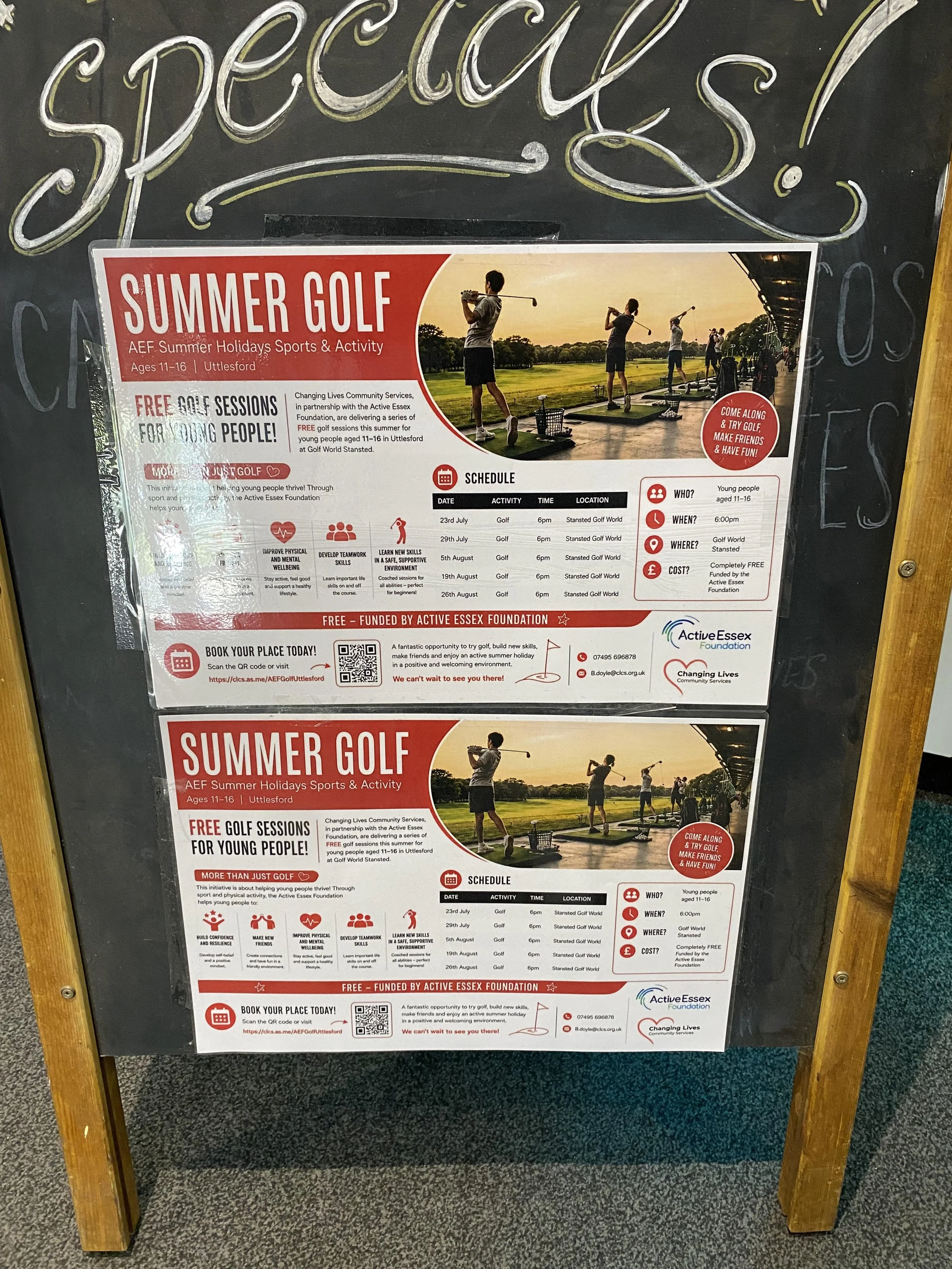
To effectively engage young people in our holiday provision, we will implement a multi-faceted outreach and promotion strategy tailored to reach our target audience, with a particular emphasis on those in receipt of free school meals and other identified groups. We will collaborate closely with local schools, youth services, and community organisations to distribute information directly to eligible families through newsletters, assemblies, and parent communications. Additionally, we will utilise social media platforms, dedicated websites, and community noticeboards to raise awareness and highlight the inclusive nature of our sessions.
Bespoke promotional materials will be created to ensure accessibility and appeal. Our team will attend local events, hold drop-in sessions, and liaise with school pastoral staff to identify and personally invite young people who would most benefit from participation. We will also offer flexible booking options and support with transport where possible to remove barriers to attendance. By establishing clear referral pathways and maintaining ongoing dialogue with key stakeholders, we will ensure that our holiday provision is widely promoted and that the right young people are given every opportunity to take part.
Promotion of the sessions
Please let us know how you intend to promote your holiday programme inc any plans for paid promotion, social media etc
Have you already set up a referral process/booking system for spaces, links to schools, promoting to young people attending your current programmes etc
To promote our holiday programme, we will adopt a comprehensive approach that includes both paid and unpaid promotional methods. Our strategy involves targeted social media campaigns across platforms such as Facebook, Instagram, and TikTok, focusing on local youth and families. We are considering paid advertisements to boost reach, particularly in areas with higher numbers of eligible young people. In addition, we will share engaging content, including testimonials and highlights from previous sessions, to showcase the value and inclusivity of our offering.
We have established a referral process and booking system that streamlines access for families and professionals. This includes online registration, clear application guidelines, and support for those needing assistance. We maintain strong links with local schools, who help identify and refer eligible students—especially those in receipt of free school meals—via school newsletters, assemblies, and direct communication. Furthermore, information will be shared with young people currently attending our programmes to encourage peer-to-peer promotion. Our team will also attend community events and collaborate with youth services to ensure broad awareness and accessibility.
Term-time provision information
To understand your current work with young people. please let us know if you already work with vulnerable or at-risk young people in the community and what you offer.
During term-time, we support vulnerable and at-risk young people through structured golf programmes delivered in the community, with support from Uttlesford Council. Our sessions use golf as a positive, consistent activity to promote physical health, confidence and routine, while also developing focus, patience and self-management. Alongside practical coaching, we embed life-skills learning (communication, leadership and decision-making) to help young people build resilience, strengthen relationships and make positive choices.
A key element of our term-time offer is targeted engagement for young people affected by, or at risk of, anti-social behaviour, criminal exploitation and social isolation. By providing a safe, supervised environment and clear progression goals, the programme helps reduce unstructured time, increases pro-social peer connections and encourages positive community participation. We also deliver our AEF mental health and wellbeing transition-aged project at Stansted Golf World, creating a supportive space for young people to talk, learn coping strategies, and practise confidence-building routines alongside coaching. This holistic approach ensures that support continues throughout the school year, with sport, mentoring and wellbeing activity working together to improve outcomes.
Any further information you wish to add to support your application
This will be our first opportunity to deliver an AEF summer programme in Uttlesford, building directly on the golf-based support we began in January during term time. The young people engaging with our Stansted Golf World projects have already started to develop routines, trusted relationships and positive progression goals. A five-week summer break without structured support could be detrimental to that progress—particularly for those at risk of anti-social behaviour, exploitation or social isolation—by increasing unstructured time and reducing protective factors. AEF support would therefore be highly beneficial, enabling us to maintain continuity of provision in Uttlesford, keep young people connected to positive activities locally, and continue building resilience, confidence and transferable skills through golf coaching, mentoring and wellbeing inputs
End of project reporting:
How many days were you funded for?
5
In total how many places across all dates including family sessions ( if applicable) were you funded for? in total across all funded
50
What type(s) of sport, physical activity or movement have you offered young people as part of your holiday programme?
Golf
What type(s) of sport, physical activity or movement have you offered young people as part of your holiday programme?
Over 60 minutes per session
What type of mentoring did you offer?
We offered a combination of structured group mentoring and informal one-to-one support as part of the regular holiday programme. Group mentoring was embedded into the golf sessions and delivered through short, age-appropriate discussions and reflective activities before, during or after practical coaching. Topics included positive decision-making, managing peer pressure, crime and anti-social behaviour risk factors, exploitation and grooming awareness, staying safe online and in the community, healthy relationships, emotional wellbeing, confidence, resilience and healthy lifestyles.
Mentoring was delivered in a supportive and practical way, using golf as a tool to build trust, routine and confidence. Staff and mentors used teachable moments during activities to help young people reflect on behaviour, communication, respect, teamwork, self-control and coping with setbacks. Where a young person needed additional support, staff provided brief one-to-one check-ins to discuss personal goals, worries, attendance, engagement or next steps. These conversations were not formal counselling, but they provided a safe opportunity for young people to speak with a trusted adult and receive encouragement, signposting and guidance where appropriate.
What types of learning and development did you offer?
- Preparation for higher learning and entering into thew workplace
- Youth Sports apprenticeships
Was your holiday programme supported by any young volunteers (under 18)?
Yes (1)
Total number of young people volunteering hours:
10
What have been the main successes of your holiday programme?
One of the main successes of the holiday programme was the strong level of engagement from young people who may not usually access structured holiday activities, including those from vulnerable backgrounds, those experiencing social isolation, and young people who benefit from positive adult role models and safe, supervised activity. Using golf as the core offer proved effective because it gave participants an accessible individual sport where they could progress at their own pace, build confidence, and experience achievement without the pressure of a traditional team environment.
The programme met several intended outcomes, particularly improving young people’s physical activity, confidence, emotional wellbeing and resilience. Young people developed focus, patience, self-management and communication skills through coached golf sessions, while the mentoring and wellbeing discussions helped them reflect on positive decision-making, healthy relationships, managing peer pressure and staying safe in the community. We also saw stronger trusted relationships develop between young people and staff, which supported continued attendance and helped participants feel listened to, encouraged and valued.
An additional success was the continuity created between our term-time provision and the summer holiday programme. Maintaining activity during the school break helped reduce unstructured time and gave young people a positive routine, reducing the risk of disengagement, isolation and negative influences. The programme also supported learning and development through informal employability, leadership and volunteering opportunities, with young people demonstrating increased responsibility, teamwork and motivation. Overall, the project created a safe, consistent and aspirational environment where young people could stay active, build skills, strengthen wellbeing and remain connected to positive support.
What have been the biggest challenges of your holiday delivery and why?
The biggest challenges during delivery were managing attendance, intense heat and the varying needs of young people. As with many holiday programmes, some young people were unable to attend every planned session due to family commitments, transport issues or changes in routine during the school holidays. To overcome this, we maintained regular communication with families and referral partners, offered encouragement and reminders, and kept the programme welcoming and flexible so young people felt able to return even if they had missed a session.
The intense heat also presented challenges, particularly because the programme involved outdoor golf-based activity. To manage this safely, we adapted delivery by shortening or pacing physical activity blocks, building in more frequent rest breaks, increasing access to water, using shaded or cooler areas where possible, and adjusting activities to reduce over-exertion during the hottest parts of the day. Staff monitored young people closely and prioritised wellbeing, hydration and safe participation while still keeping sessions engaging and purposeful.
Another challenge was supporting young people with different confidence levels, behaviours and personal needs. Some participants required additional encouragement, reassurance or boundaries to help them engage positively. Staff used a calm, consistent and trauma-informed approach, building trusted relationships and using golf as a structured activity to reinforce respect, patience, self-control and positive decision-making. Overall, these challenges were managed through flexibility, strong communication, supportive staffing and adapting delivery to keep the programme safe, inclusive and meaningful.
What changes have you noticed in the young people since participating in your holiday programme:
Since participating in the holiday programme, we noticed clear improvements in young people’s confidence, communication, social skills and willingness to engage. Several young people who were initially quiet, hesitant or unsure about taking part became more comfortable interacting with staff and peers as the sessions progressed. Through the structure of golf coaching, they were able to practise listening, turn-taking, patience, self-control and positive communication in a safe and supportive environment.
Participation levels improved across the programme, with young people becoming more willing to try new activities, ask for help, accept feedback and celebrate their own progress. Some participants showed increased resilience when they found an activity difficult, learning to manage frustration, keep trying and recognise small improvements. We also observed positive behaviour changes, including better focus, improved respect for others, stronger teamwork and increased responsibility during activities.
For example, one young person who was reluctant to join in at the start of the programme gradually became more engaged, began taking part in group discussions, and showed pride in improving their golf skills. Another young person initially needed regular encouragement to stay focused, but by the end of the sessions was more settled, listened more carefully to instructions and supported others during activities. A young volunteer also developed confidence and responsibility by helping with session set-up, supporting younger participants and modelling positive behaviour. Overall, the programme helped young people build confidence, learn new skills, improve social interaction and feel more connected to positive adults and peers.
How many unique young people have been supported by your holiday programme this Summer?
17
How many were eligible for benefits-based Free School Meals
17
Of these unique young people, how many were new to your holiday programme
17
Please record the total number of attendances in your HAF holiday provision this summer:
37
Please record the number of MALE unique young people who attended:
12
Please record the number of FEMALE unique young people who attended:
5
If applicable, please tell us about any other presenting issues:
A key presenting issue for many of the young people we supported was social isolation, particularly during the school holidays when regular school routines, peer contact and structured support were reduced. Some young people had limited access to positive activities in their local area, found it difficult to mix with peers, or lacked confidence joining new groups. This was often linked with social anxiety, low self-esteem and hesitation around communicating with unfamiliar adults or other young people.
The golf-based sessions helped address this by providing a calm, structured and non-pressured environment where young people could take part at their own pace. As an individual sport delivered within a supportive group setting, golf allowed participants to build confidence gradually without feeling overwhelmed. Staff used encouragement, predictable routines and trusted relationships to help young people feel safe, engage with others and experience positive social contact. Over the programme, we saw some young people become more comfortable speaking to staff, joining in activities, accepting feedback and interacting with peers, which helped reduce isolation and support their emotional wellbeing.
Please provide breakdown for how you spent your holiday grant funding?
Budget area
Amount
Facility hire at Stansted Golf World
£300
Food and refreshments, including water and hydration support
£180
Coaching fees
£300
Mini transport support
£120
Equipment
£100
Monitoring and evaluation
£75
Marketing and promotion
£75
Total
£1,150
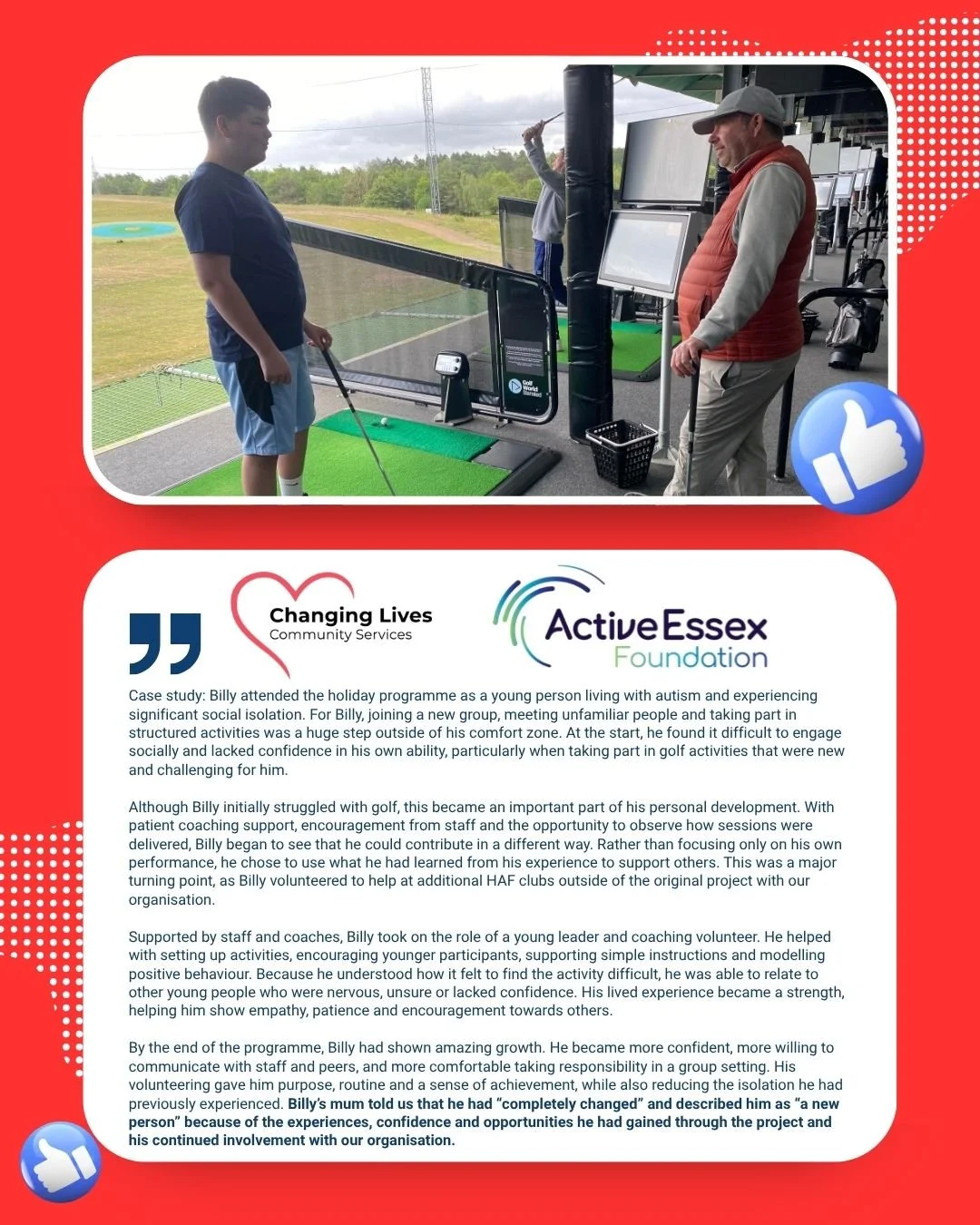
Case Study
Quotes and feedback collected during the holiday period:
“At first I didn’t think I would be any good at golf, but the coaches helped me keep trying. I feel more confident now and I liked having something positive to do in the holidays.” — Young person
“I usually get nervous around new people, but because the sessions were calm and friendly, I started talking more and joining in. It helped me feel less on my own.” — Young person
“He has completely changed. He seems like a new person — more confident, more willing to talk, and proud that he has been able to help others.” — Parent/carer
“The programme gave young people a safe place to go, positive adults to speak to, and a chance to build confidence through something different. We saw young people become more settled, more engaged and more connected as the sessions went on.” — Staff/mentor feedback
Overall, the success of this holiday period came from creating a consistent, welcoming and low-pressure environment where young people could feel safe, stay active and build trust with staff and peers. Golf worked particularly well because it allowed participants to progress at their own pace, experience small achievements, and develop patience, focus and resilience. For young people experiencing social isolation or social anxiety, the sessions provided routine, positive social contact and a supported route into group activity. The combination of sport, mentoring, volunteering opportunities and encouragement helped young people feel valued, connected and proud of what they had achieved.
Any other supporting information about your holiday programme, learning and achievements?
Our holiday programme has demonstrated the value of using golf as a calm, structured and inclusive activity for young people who may experience social isolation, social anxiety, low confidence or limited access to positive opportunities during the school holidays. A key learning point was that an individual sport delivered within a supportive group environment can be particularly effective for young people who feel overwhelmed by larger team-based activities. Participants were able to progress at their own pace, experience small achievements, and gradually build the confidence to communicate, join in and develop positive relationships with staff and peers.
We also learned the importance of consistency, trusted adults and low-pressure engagement. Some young people needed time, reassurance and repeated encouragement before they were comfortable taking part fully. By maintaining predictable routines, positive boundaries and a welcoming atmosphere, staff were able to reduce barriers to participation and help young people feel safe and valued. This supported improvements in confidence, emotional wellbeing, resilience, focus, teamwork and willingness to try new things.
The programme also created positive achievements beyond physical activity. Young people developed practical skills linked to communication, leadership, volunteering, employability and self-management. The involvement of a young volunteer was a particular success, showing how participation can lead to increased responsibility, confidence and a desire to support others. Our experience this summer reinforced the need for continued provision during school holidays so that young people do not lose the progress, routine and trusted relationships developed during term-time programmes. Overall, the project strengthened our approach, confirmed the impact of golf-based youth work, and highlighted the importance of accessible local provision for vulnerable young people in Uttlesford.