AEF Harlow Summer Provision for Secondary 2026
Harlow young people are facing crisis. Many are excluded from school, disengaged from services, and under the radar. They do not show up at mainstream youth clubs, GPs, or mental health provision. By the time statutory services notice them, it can often be too late — they appear only in police cells, A&E, or exclusion statistics. Our Holiday programme will change this.
As part of our holiday provision for young people, we intend to offer a diverse programme that encourages participation in sports and activities, fosters the development of new skills, and provides meaningful volunteering opportunities. Our sports offering includes boxing, football, gym sessions, physical fitness classes, multisport activities, and dedicated sports coaching to promote teamwork and personal wellbeing.
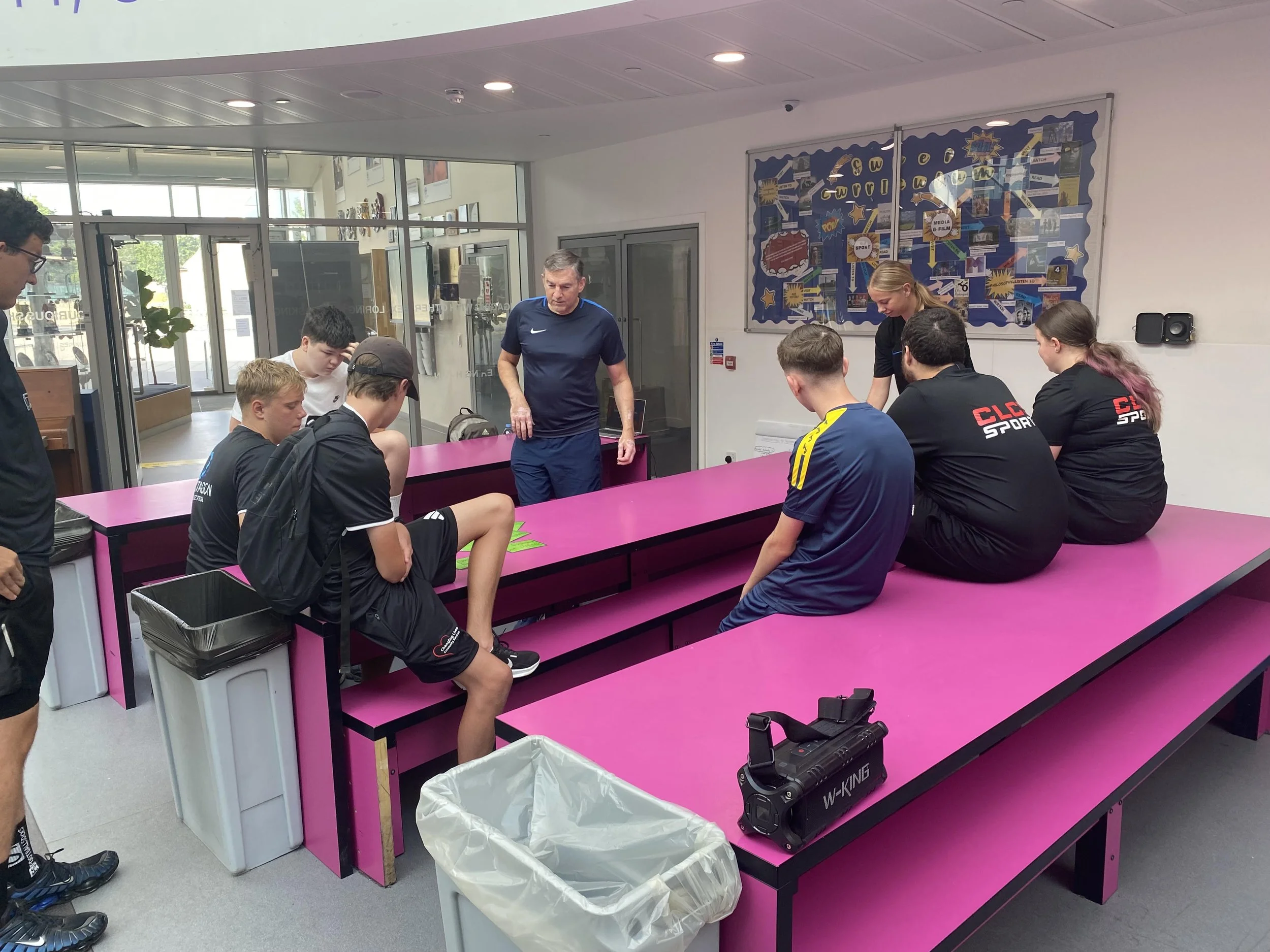
We will also include within our sports workshops covering topics on mental health awareness, crime prevention, suicide awareness, and healthy relationships, equipping young people with essential life skills and social resilience. Opportunities to earn awards and certificates will be available, recognising achievement in areas such as employability, recruitment preparation, CV building, and leadership training.
Creative and practical sessions in filming, media production, cooking, sports activities and coaching and will inspire self-expression and nurture talents. Administrative skills workshops and community support volunteering further enhance employability and provide a chance to make a positive impact locally. Through this comprehensive programme, we aim to empower young people, helping them build confidence, develop lasting friendships, and prepare for future success in both personal and professional spheres.
These activities will run through the Easter Holidays in safe community venues
Outcomes include:
· Improved mental and physical health and emotional resilience
· Stronger trusted relationships with adults
· Reduced isolation and risk of exploitation
· Reconnection with positive education, training, or activity
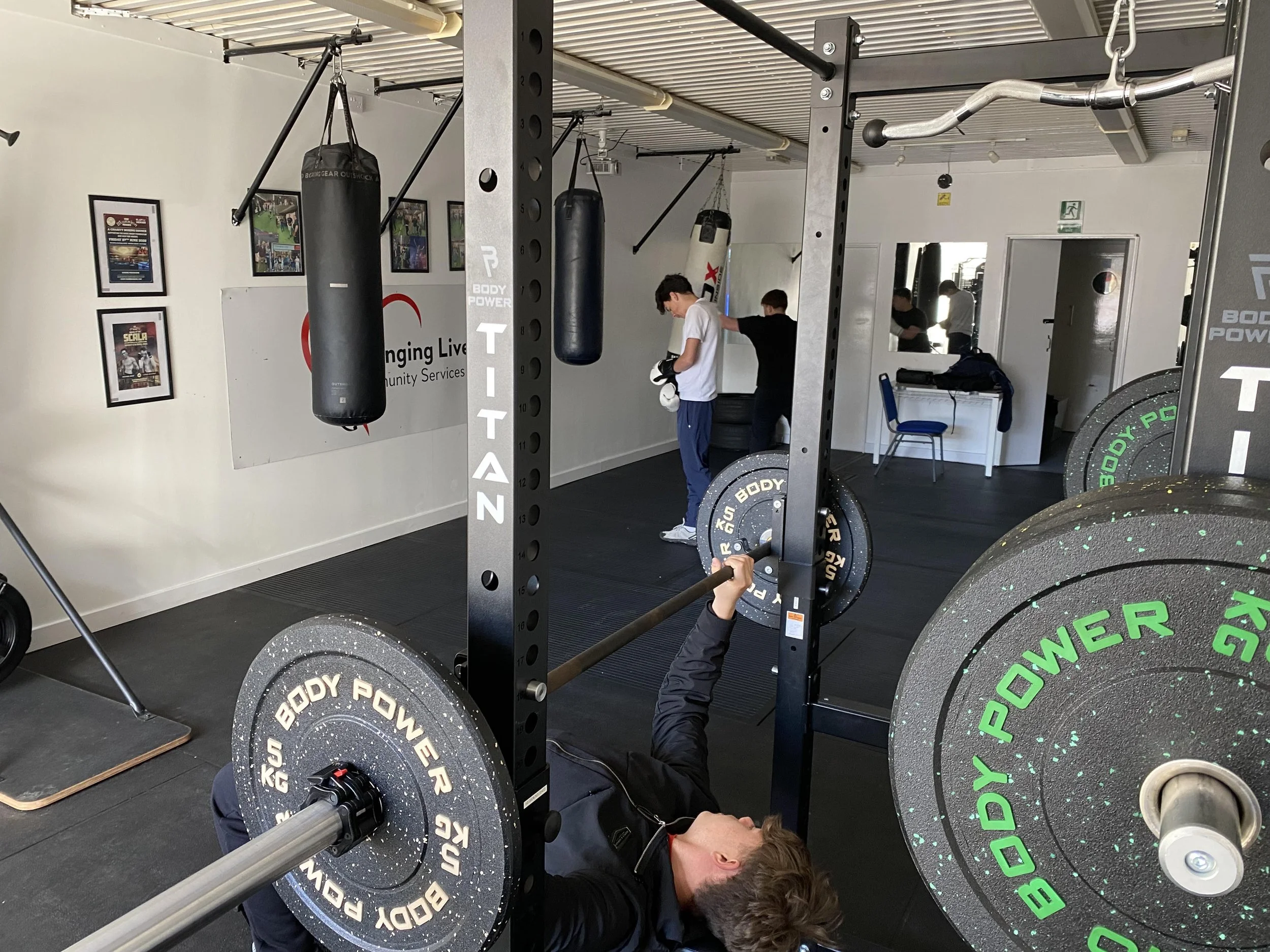
Our holiday provision will include a comprehensive range of sports and physical activities designed to engage and inspire young people. The sports offering will feature boxing, gym fitness sessions, and a variety of multi-sports—such as football, basketball, and athletics—ensuring that participants can experience different disciplines and develop a broad skillset. Each physical activity session will typically last between 60 and 90 minutes, providing ample time for skill development, teamwork, and enjoyment.
Mental wellbeing will be a central theme throughout our programme, with dedicated sessions focusing on emotional resilience, mindfulness, and healthy lifestyle habits seamlessly integrated alongside physical activities. We will be incorporating the ASDAN syllabus across our activities, which will support the development of personal, social, and employability skills, and allow young people to gain recognition through accredited outcomes. This holistic approach aims to encourage both physical and mental health, equipping participants with tools for lifelong wellbeing and success.
Our staff team possesses a wealth of experience and specialist training in supporting young people who are at risk of criminality, exploitation, and anti-social behaviour. Many of our team members hold relevant qualifications in youth work, safeguarding, and trauma-informed practice, ensuring that they are equipped to respond sensitively and effectively to the needs of this cohort. We regularly undertake professional development in areas such as child protection, mental health first aid, and restorative approaches, which enables us to provide a safe, nurturing environment where young people can thrive.
In addition, several staff have previously worked in targeted youth support settings, including alternative education, outreach programmes, and mentoring schemes. This background allows us to build trust and rapport, and to tailor interventions that address the complex challenges faced by vulnerable and at-risk young people. Our team is committed to fostering positive relationships and promoting resilience, empowering participants to make informed choices and realise their potential.
Our programme is underpinned by strong partnerships with a range of local and regional organisations, each bringing specialist support to enhance outcomes for vulnerable young people. We collaborate closely with the David Lloyd Centre and Passmores Sports Facilities to access high-quality venues and deliver a broader spectrum of sports activities in safe, inclusive environments. The Football Association supports our delivery by providing expert training, coaching resources, and specialist sessions, helping participants to develop both technical skills and a sense of teamwork. Life Boxing Club offers not only structured boxing sessions but also valuable mentoring, fostering discipline and resilience amongst attendees. Harlow Jiu Jitsu contributes by running introductory sessions tailored for beginners, giving young people the chance to try new disciplines and build self-confidence. Employability is a key partner for employment skills workshops, equipping participants with practical tools and guidance for future career pathways. Additionally, our ongoing relationship with the Jack Petchey Foundation allows young people to access achievement awards and personal development courses, further recognising and motivating their efforts. We intend to deepen these partnerships during our holiday programme, and are open to engaging with new local networks to expand our reach and ensure comprehensive support for all participants. These collaborative efforts underpin both our current projects and the holiday provision, ensuring we address the diverse needs of vulnerable and at-risk young people in a holistic and effective manner.
To effectively engage young people in our holiday provision, we will implement a multi-faceted outreach and promotion strategy tailored to reach our target audience, with a particular emphasis on those in receipt of free school meals and other identified groups. We will collaborate closely with local schools, youth services, and community organisations to distribute information directly to eligible families through newsletters, assemblies, and parent communications. Additionally, we will utilise social media platforms, dedicated websites, and community noticeboards to raise awareness and highlight the inclusive nature of our sessions.
Bespoke promotional materials will be created to ensure accessibility and appeal. Our team will attend local events, hold drop-in sessions, and liaise with school pastoral staff to identify and personally invite young people who would most benefit from participation. We will also offer flexible booking options and support with transport where possible to remove barriers to attendance. By establishing clear referral pathways and maintaining ongoing dialogue with key stakeholders, we will ensure that our holiday provision is widely promoted and that the right young people are given every opportunity to take part.
To promote our holiday programme, we will adopt a comprehensive approach that includes both paid and unpaid promotional methods. Our strategy involves targeted social media campaigns across platforms such as Facebook, Instagram, and TikTok, focusing on local youth and families. We are considering paid advertisements to boost reach, particularly in areas with higher numbers of eligible young people. In addition, we will share engaging content, including testimonials and highlights from previous sessions, to showcase the value and inclusivity of our offering.
We have established a referral process and booking system that streamlines access for families and professionals. This includes online registration, clear application guidelines, and support for those needing assistance. We maintain strong links with local schools, who help identify and refer eligible students—especially those in receipt of free school meals—via school newsletters, assemblies, and direct communication. Furthermore, information will be shared with young people currently attending our programmes to encourage peer-to-peer promotion. Our team will also attend community events and collaborate with youth services to ensure broad awareness and accessibility.
During term-time, we are actively engaged in supporting vulnerable and at-risk young people within the community through a diverse range of programmes. Our provision includes regular sports activities designed not only to promote physical health but also to encourage teamwork, resilience, and self-confidence. Alongside mainstream sports, we deliver life skills workshops that focus on communication, leadership, and decision-making, equipping participants with essential tools for their personal development.
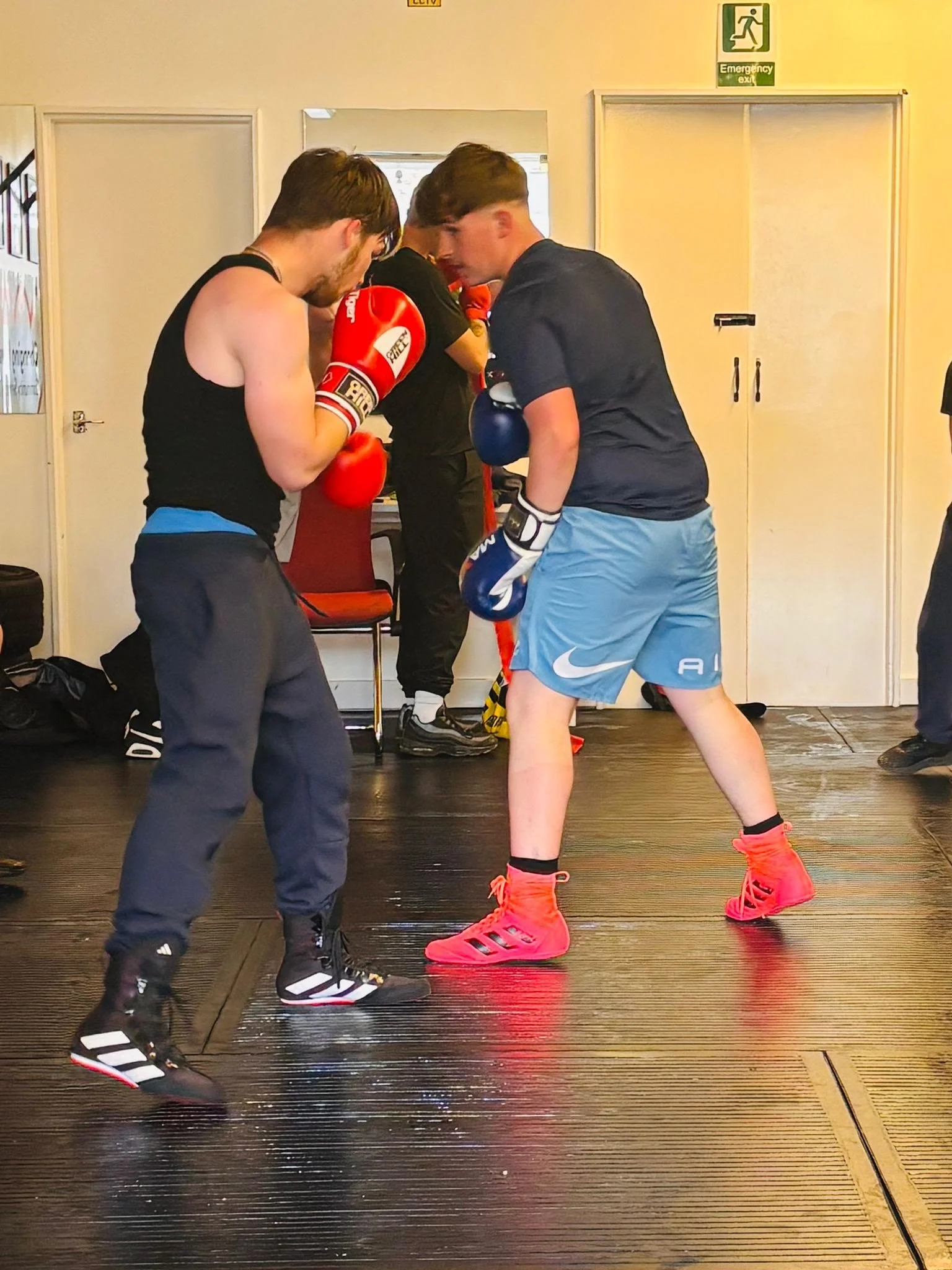
A key element of our offer is the Boxsmart initiative, which uses non-contact boxing as a means to foster discipline, goal-setting, and emotional regulation. We also run dedicated projects centred on mental health and wellbeing, using the positive power of sport to address issues such as anxiety, low self-esteem, and social isolation. These projects create safe spaces for young people to talk, learn coping strategies, and build supportive relationships, ensuring our approach is both holistic and inclusive throughout the school year.
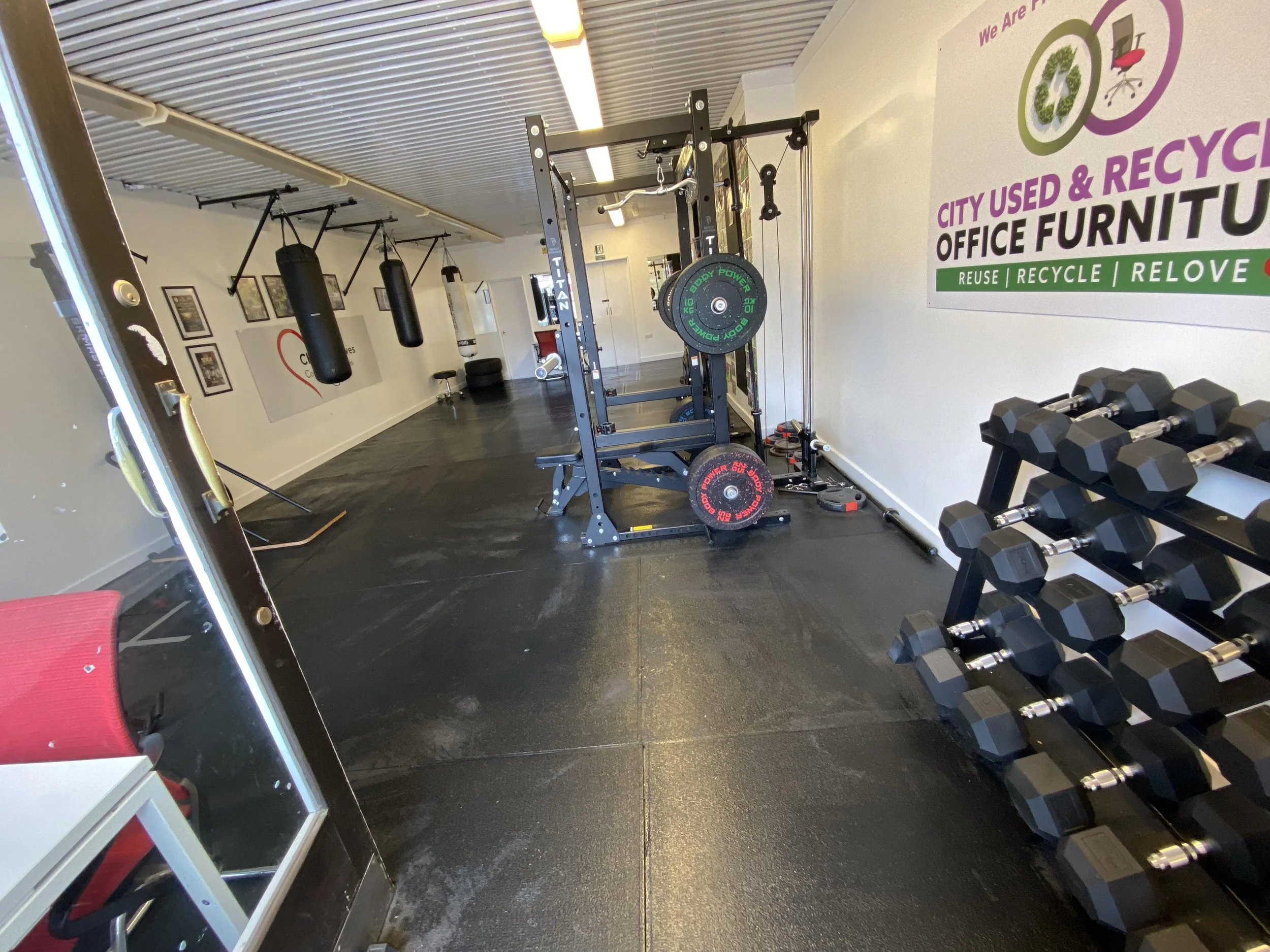
Building on feedback from previous years of delivery and our recent Easter holiday club—where participants told us which activities they would like to take part in—we recognise that interests and availability vary across young people, with many only able to attend at certain times. This summer, we will therefore provide a varied programme of activities, with our main meeting point based at our community gym. Once participants have booked, they will receive a confirmation message explaining that we will contact them two weeks before the programme begins with the full schedule, as timings and venues may change depending on the activity and the day. We will also complete a mixing risk assessment for all booked participants and, depending on age and individual needs, may schedule additional 1:1 sessions or smaller group sessions to ensure appropriate supervision, safeguard young people effectively, and make sure activities are suitable for the ages and genders represented within the cohort. Where our planned schedule does not suit an individual participant, we will work with them (and, where appropriate, their parent/carer or referrer) to identify and provide an alternative, suitable activity so that every young person has an accessible opportunity to take part. This flexible approach will help us reach more young people and increase engagement across the programme.
End of project reporting:
How many days were you funded for?
15
In total how many places across all dates including family sessions ( if applicable) were you funded for? in total across all funded
225
What type(s) of sport, physical activity or movement have you offered young people as part of your holiday programme?
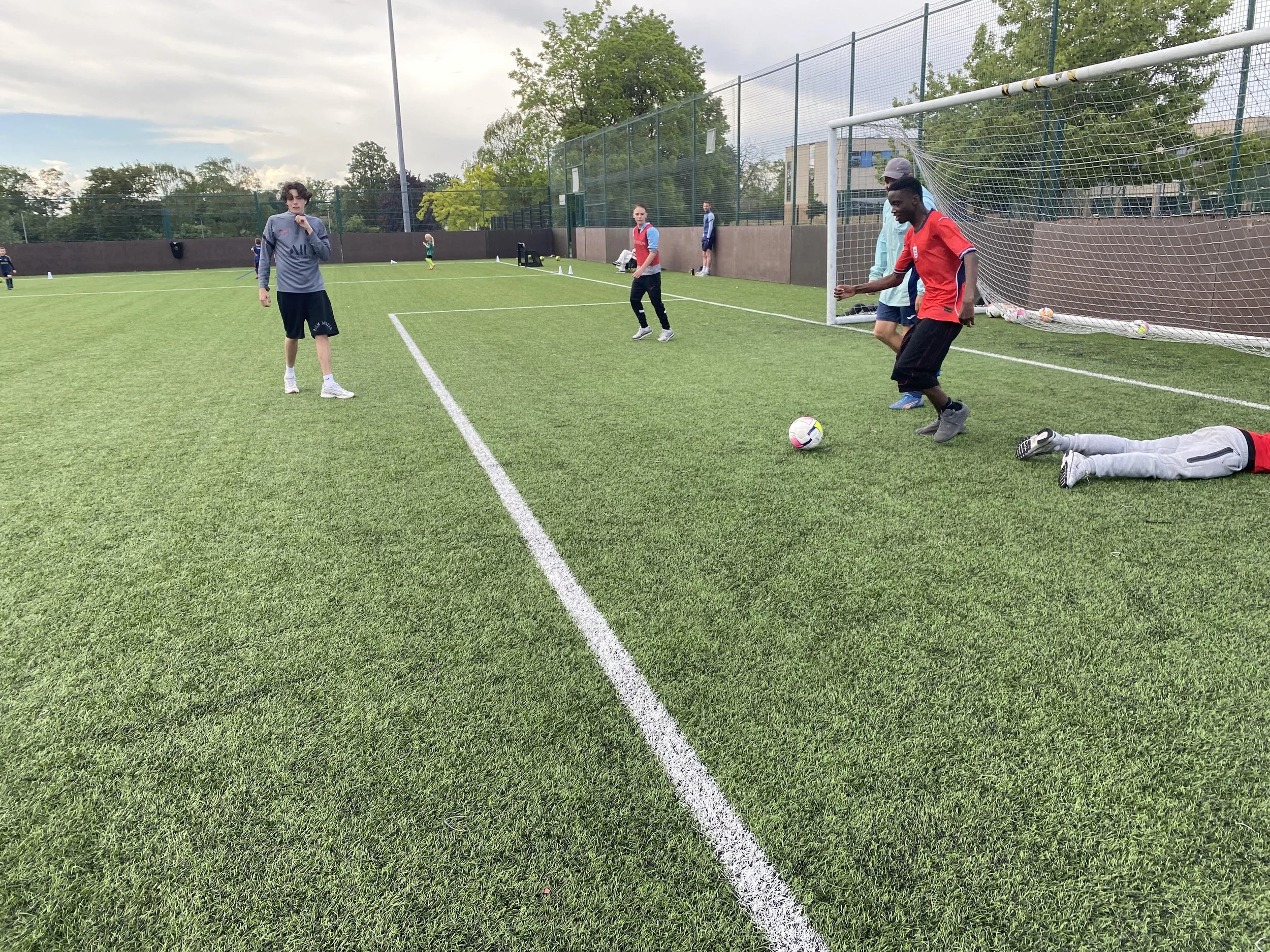
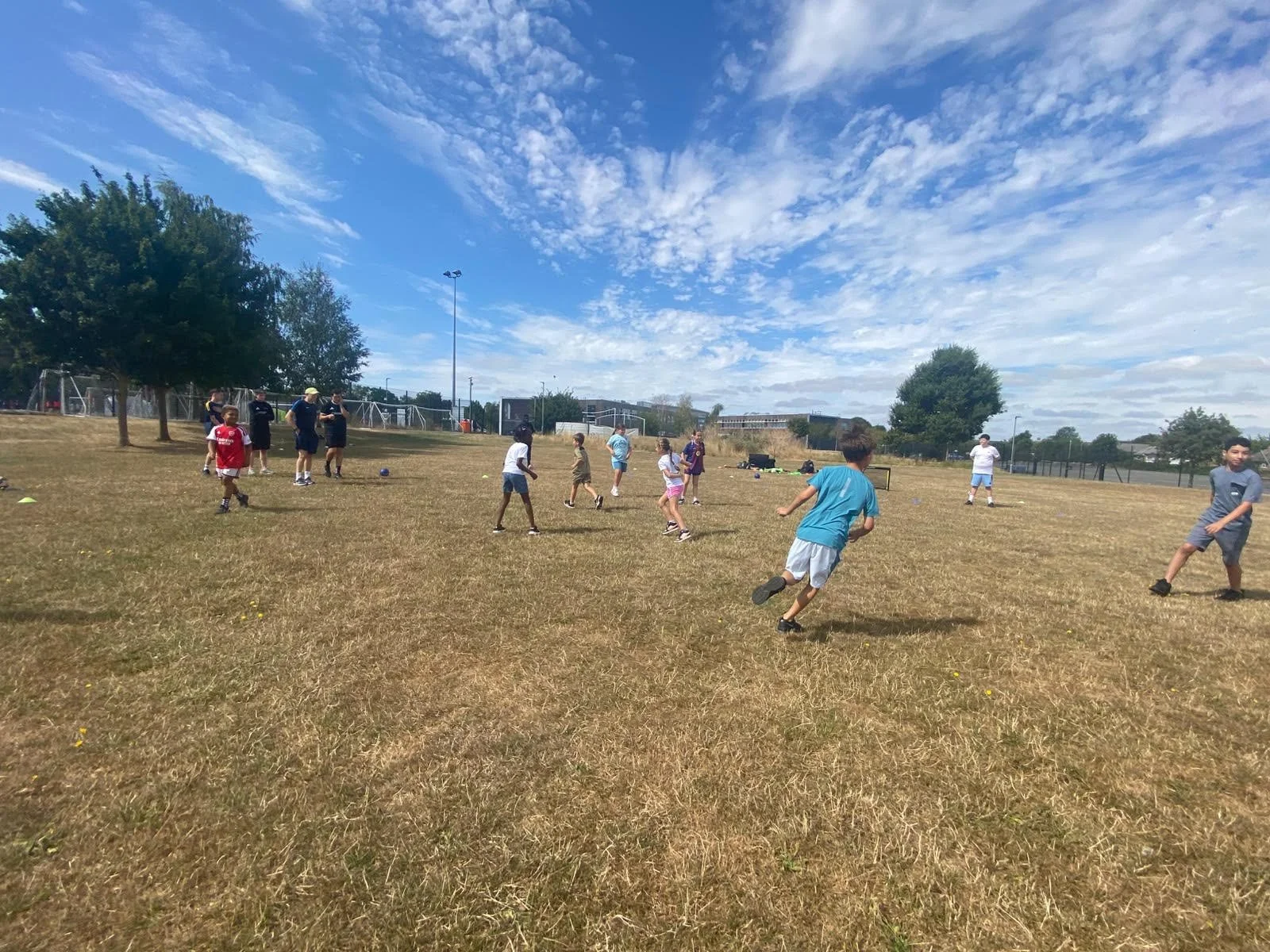
Football
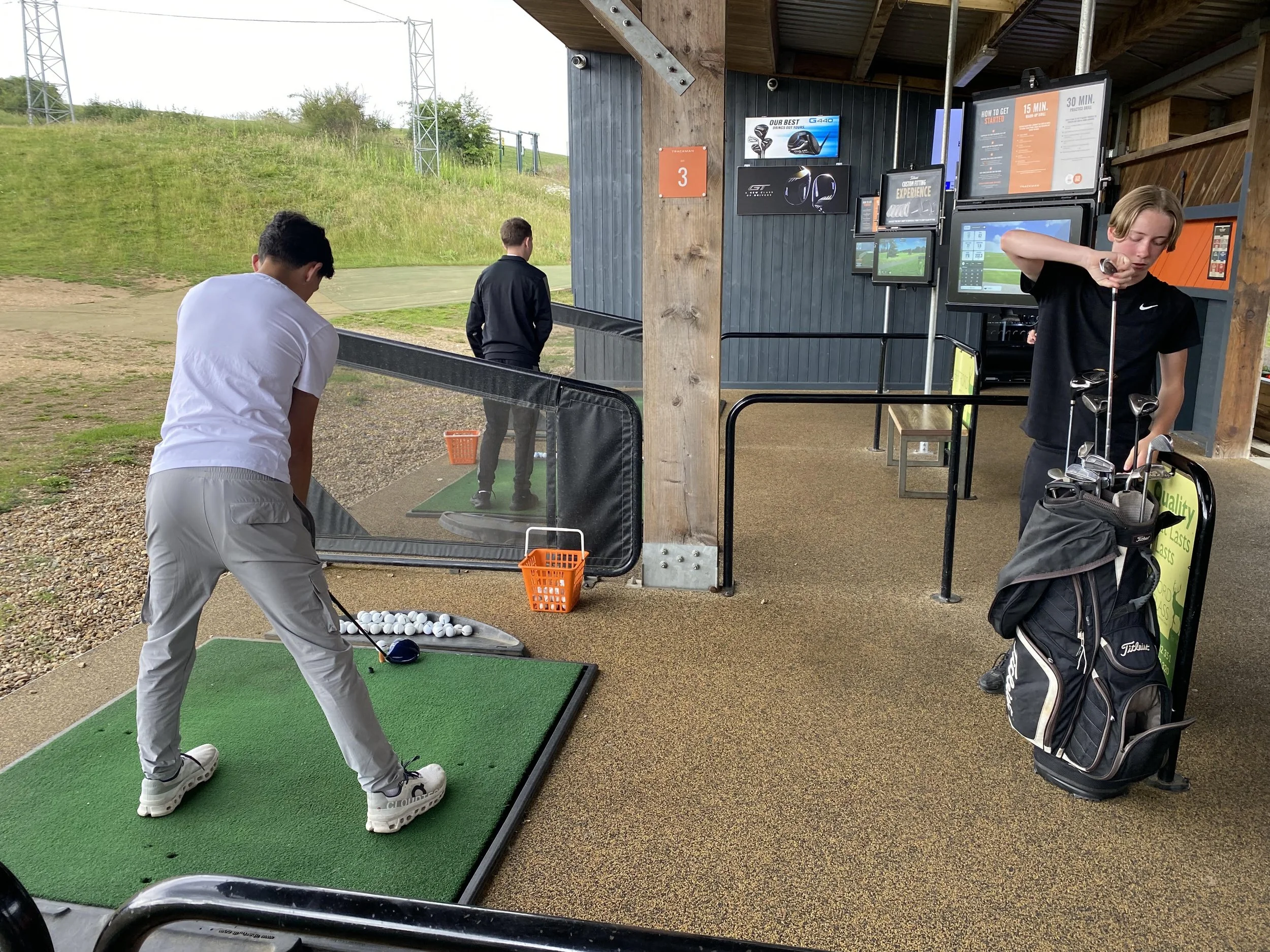
Golf
Laser Tag
Boxing
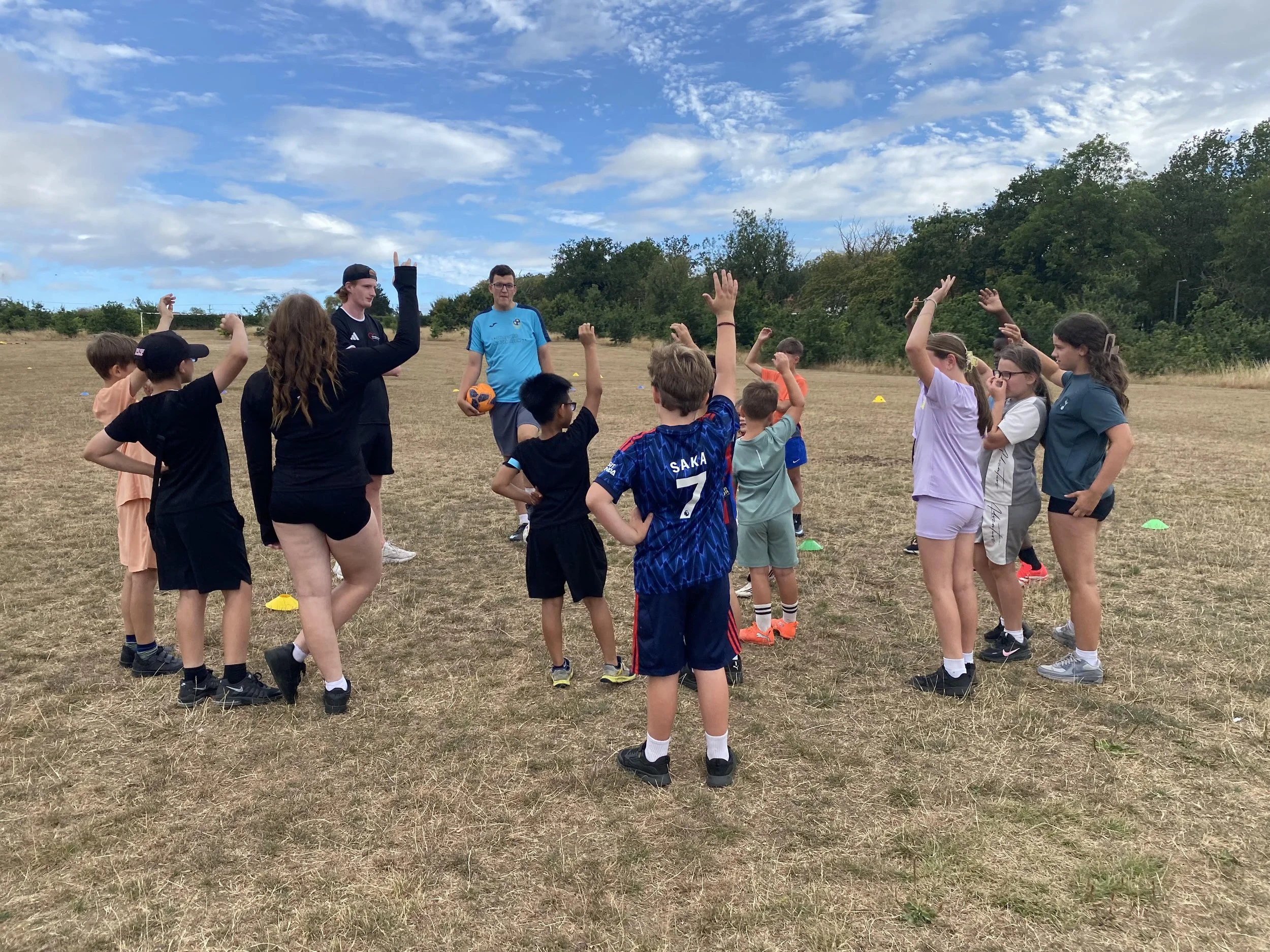
Sports Coaching
Work Place volunteering
What type(s) of sport, physical activity or movement have you offered young people as part of your holiday programme?
Over 60 minutes per session
What type of mentoring did you offer?
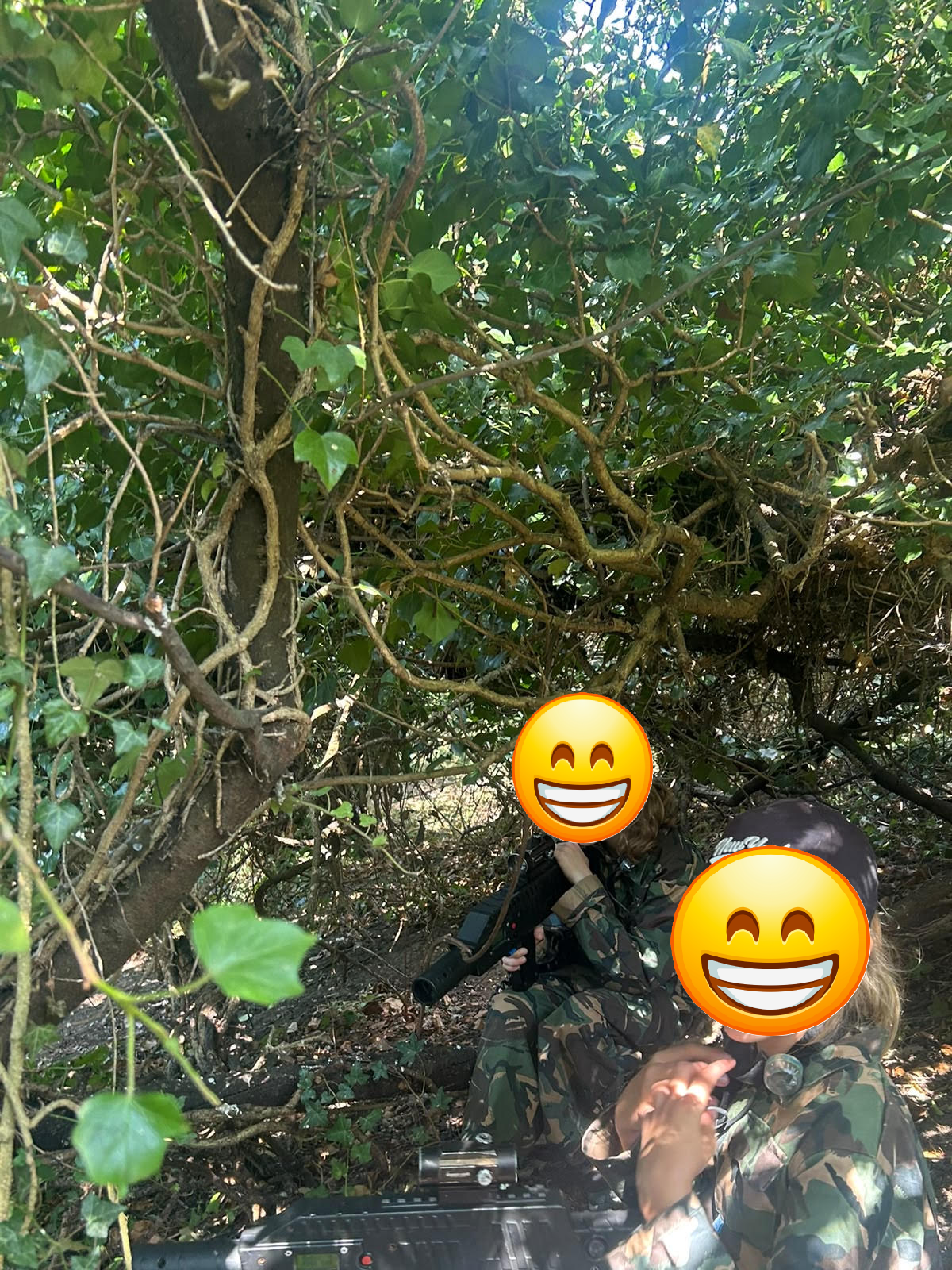
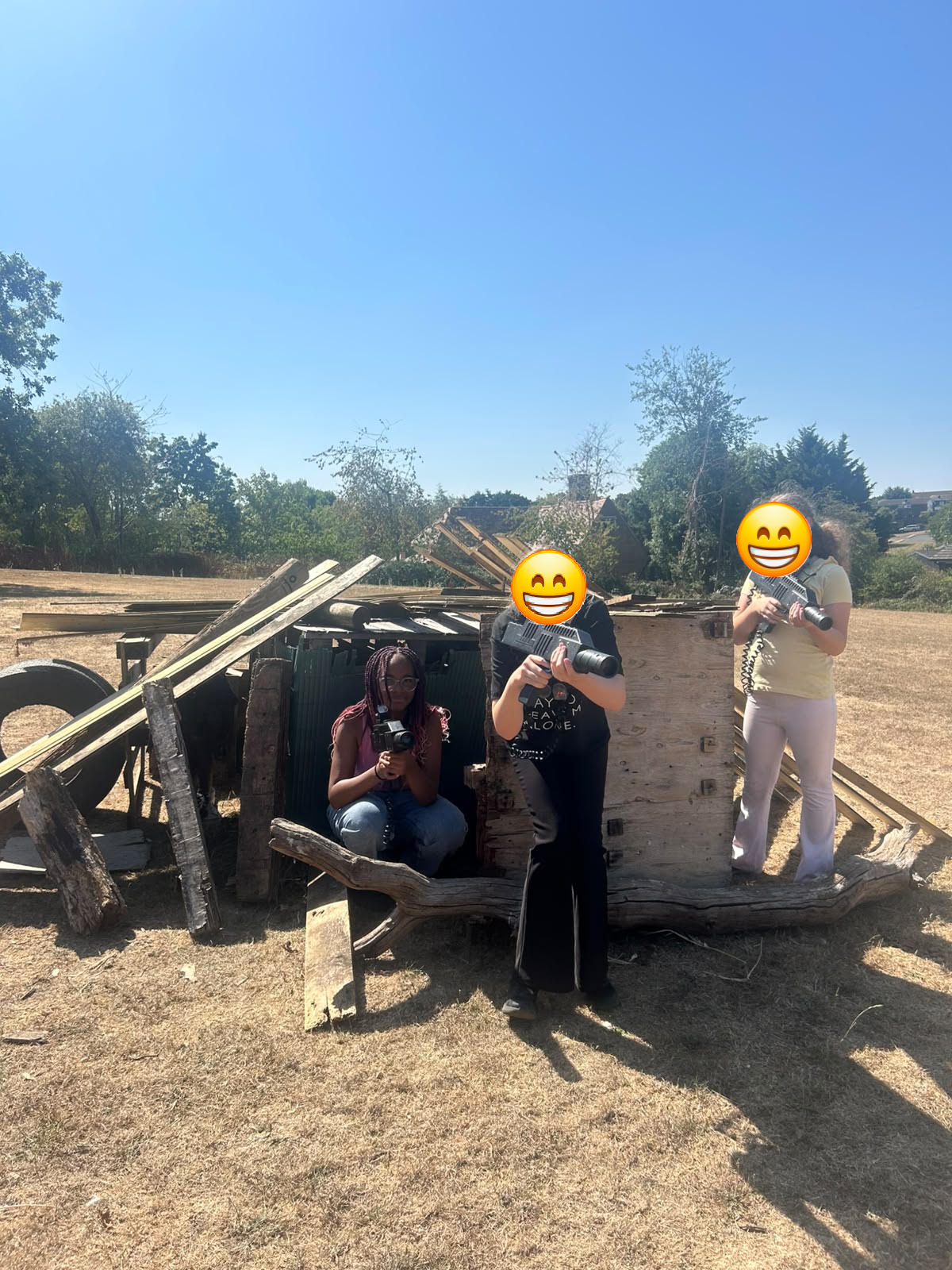
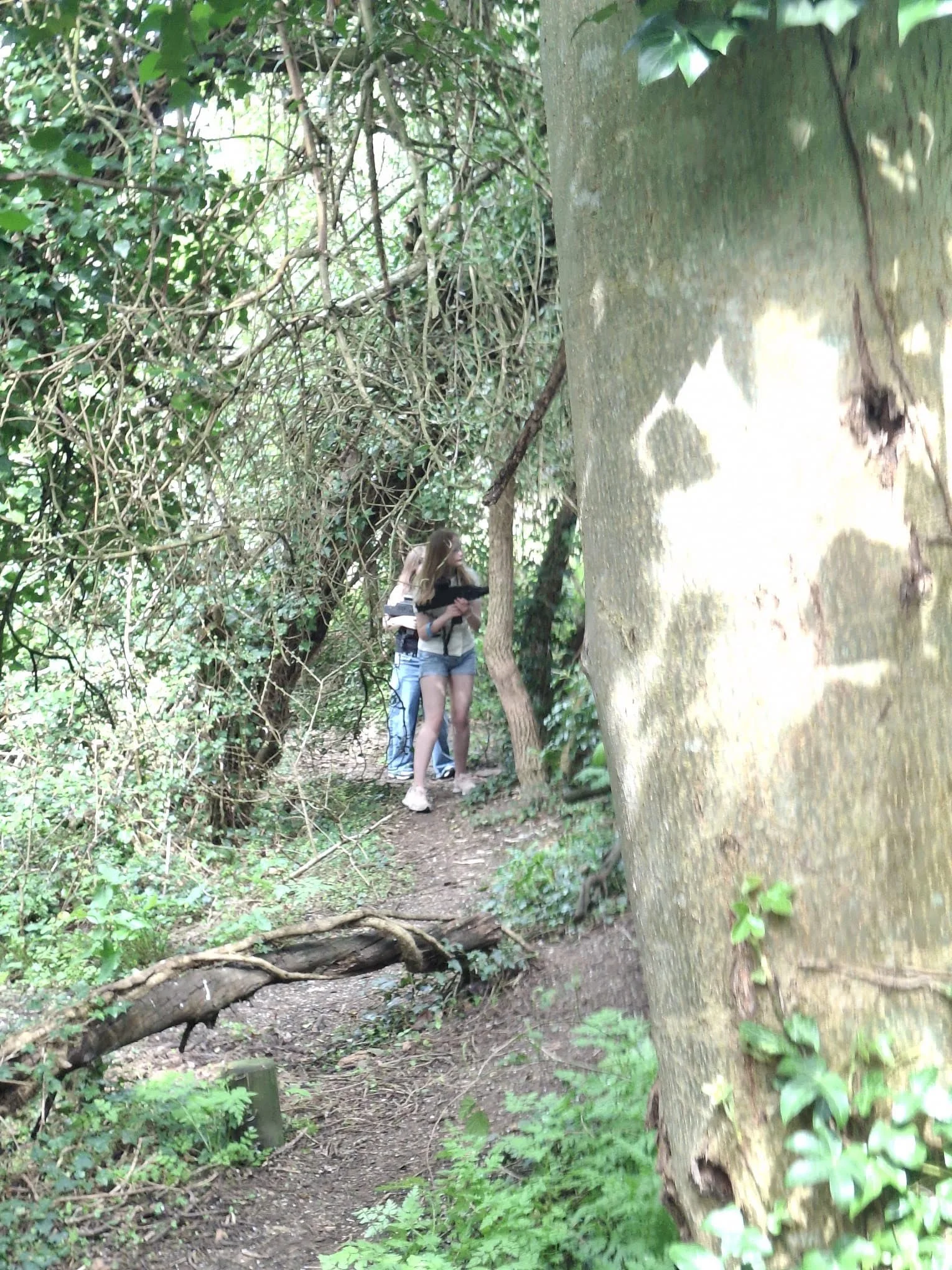
We offered a combination of structured group mentoring and informal one-to-one support throughout the holiday programme, linked directly to the activities delivered: football, golf, laser tag, boxing, sports coaching and workplace volunteering. Group mentoring was embedded into each activity through short, age-appropriate discussions, reflective conversations and teachable moments before, during and after sessions. Football and sports coaching were used to explore teamwork, communication, respect, leadership and fair play. Golf provided a calm setting to build patience, focus, confidence and self-control. Laser tag supported discussions around strategy, decision-making, managing excitement, following rules and working positively with others. Boxing was used in a non-contact, supervised way to reinforce discipline, emotional regulation, resilience, goal-setting and positive choices. Workplace volunteering helped young people consider responsibility, employability, punctuality, confidence, helping others and future aspirations.
Mentoring was delivered in a supportive and practical way, using the activities as tools to build trust, routine, confidence and positive relationships with adults and peers. Staff and mentors used real situations within sessions to help young people reflect on behaviour, communication, respect, teamwork, self-control, coping with setbacks and staying safe in the community. Where a young person needed additional support, staff provided brief one-to-one check-ins to discuss personal goals, worries, attendance, engagement or next steps. These conversations were not formal counselling, but they provided a safe opportunity for young people to speak with a trusted adult and receive encouragement, signposting and guidance where appropriate. The range of activities meant young people could engage in different ways, whether through competitive sport, individual skill development, team-based challenges or volunteering responsibilities.
What types of learning and development did you offer?
- Preparation for higher learning and entering into thew workplace
- Youth Sports apprenticeships
Was your holiday programme supported by any young volunteers (under 18)?
Yes (4)
Total number of young people volunteering hours:
50
What have been the main successes of your holiday programme?
One of the main successes of the holiday programme was the strong engagement from young people who may not usually access structured holiday activities, including those from vulnerable backgrounds or experiencing social isolation. The variety of activities — football, golf, laser tag, boxing, sports coaching and workplace volunteering — helped us reach young people with different interests, confidence levels and needs.
The programme improved physical activity, confidence, emotional wellbeing and resilience. Football and sports coaching supported teamwork, communication, leadership and fair play. Golf helped young people build patience, focus and self-control at their own pace. Laser tag encouraged strategy, listening, decision-making and managing excitement safely. Boxing reinforced discipline, emotional regulation, respect and goal-setting, while workplace volunteering developed responsibility, punctuality, employability skills and pride in helping others.
A further success was the continuity between our term-time work and the summer programme. Providing a varied, safe and supervised programme during the school break reduced unstructured time and helped young people maintain positive routines and relationships. Across the activities, participants showed increased responsibility, motivation, teamwork and willingness to try new experiences. The combination of sport, mentoring, challenge-based activity and volunteering created an aspirational environment where young people stayed active, built social and practical skills, strengthened wellbeing and remained connected to trusted support.
What have been the biggest challenges of your holiday delivery and why?
The biggest challenge during delivery was managing attendance across a varied activity programme. Offering football, golf, laser tag, boxing, sports coaching and workplace volunteering was a real strength because it gave young people a wider choice and helped us attract more participants overall. Different activities appealed to different interests, confidence levels and needs, which increased the number of young people engaging with the programme.
However, the diversity of the offer also meant that we did not have the same group cohort attending every session. Some young people chose the activities they were most interested in, while others could only attend on certain days because of family commitments, transport, confidence levels or changes to routine during the school holidays. This made it harder to build one consistent whole-group journey across all sessions, as attendance patterns varied depending on the activity and availability.
We managed this by keeping communication clear with families and referral partners, providing reminders and encouragement, and making each session welcoming as a standalone opportunity. Staff adapted mentoring and support so young people could benefit even if they did not attend every activity. While this reduced cohort consistency, the flexible model was positive overall because it removed barriers, offered diversity, increased reach and allowed more young people to engage in the activities that suited them best.
What changes have you noticed in the young people since participating in your holiday programme:
Since participating in the holiday programme, we noticed clear improvements in young people’s confidence, communication, social skills and willingness to engage. The varied activities — football, golf, laser tag, boxing, sports coaching and workplace volunteering — gave young people different ways to take part, depending on their interests, confidence levels and personal needs. This helped those who may not have joined a single-activity programme to engage in a way that felt more accessible and enjoyable.
Football and sports coaching helped young people practise teamwork, communication, leadership and respect. Golf created a calmer environment where participants could build patience, focus, self-control and confidence at their own pace. Laser tag encouraged listening, strategy, decision-making and positive group interaction, while boxing supported discipline, emotional regulation, resilience and goal-setting. Workplace volunteering helped young people develop responsibility, punctuality, confidence, practical employability skills and pride in contributing to others.
Across the programme, young people became more willing to try new experiences, ask for help, accept feedback and celebrate their own progress. We saw improved focus, better respect for others, stronger teamwork and increased responsibility during activities. Some participants who were initially hesitant became more comfortable speaking with staff and peers, while others showed resilience when an activity was challenging. The range of activities also meant engagement looked different for each young person, but overall the programme helped them build confidence, learn social and practical skills, stay active and feel more connected to positive adults and peers.
How many unique young people have been supported by your holiday programme this Summer?
53
How many were eligible for benefits-based Free School Meals
53
Of these unique young people, how many were new to your holiday programme
40
Please record the total number of attendances in your HAF holiday provision this summer:
37
Please record the number of MALE unique young people who attended:
37
Please record the number of FEMALE unique young people who attended:
16
If applicable, please tell us about any other presenting issues:
A key presenting issue for many of the young people we supported was social isolation, particularly during the school holidays when school routines, peer contact and structured support were reduced. Many were eligible for benefits-based Free School Meals, and some had limited access to positive activities, lacked confidence joining new groups, or found it difficult to communicate with unfamiliar adults and peers. Others needed encouragement to take part because of low self-esteem, anxiety, changes in routine, family circumstances or previous disengagement from mainstream provision.
The varied offer of football, golf, laser tag, boxing, sports coaching and workplace volunteering helped address these issues by giving young people different ways to engage. This diversity was positive because it appealed to a wider range of interests and increased overall numbers, including young people who may not have attended a single-activity programme. Golf provided a calmer, lower-pressure environment to build confidence and focus, while football, laser tag and sports coaching encouraged teamwork, communication and positive peer interaction. Boxing supported discipline, emotional regulation and resilience, and workplace volunteering helped develop responsibility, routine, employability skills and pride in contributing to others. Because young people chose activities that suited them, we did not have one consistent cohort attending every session, but the flexible model reduced barriers and enabled more young people to access support, build confidence, stay active and feel more connected to trusted adults and peers.
This holiday period was successful because the programme gave young people a safe, positive and varied place to go during the school break. Activities included football, golf, laser tag, boxing, sports coaching and workplace volunteering, allowing young people to engage through sport, enrichment, training and practical experience. This variety helped us reach more young people overall, including those who may not usually attend structured holiday provision or who experience social isolation.
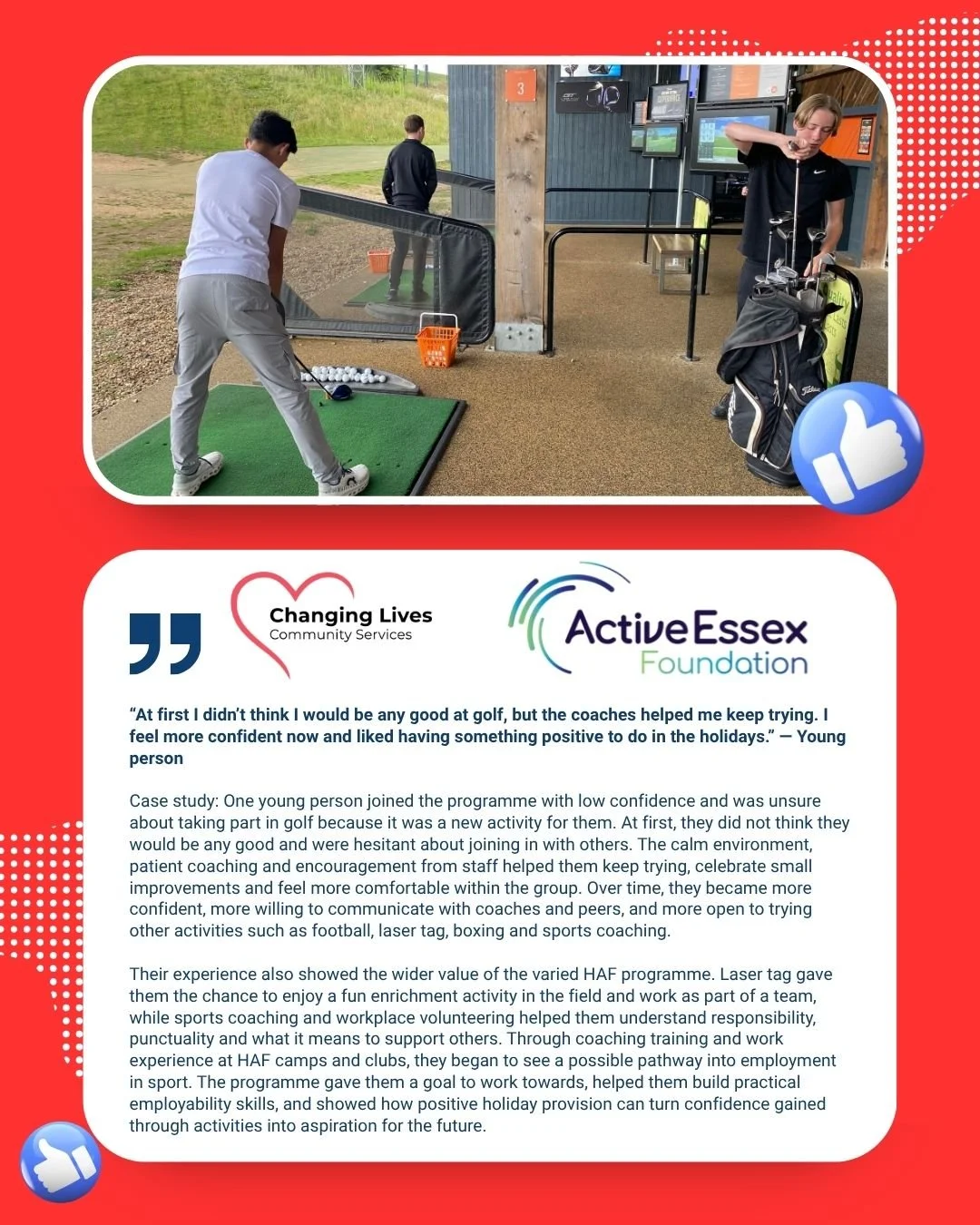
“At first I didn’t think I would be any good at golf, but the coaches helped me keep trying. I feel more confident now and liked having something positive to do in the holidays.” — Young person
“I usually get nervous around new people, but the calm, friendly sessions helped me start talking more and joining in. It helped me feel less on my own.” — Young person
“Laser tag was one of the best enrichment activities because it was so much fun playing out in the field with everyone. It felt exciting and helped us work together as a team.” — Young person
“He has completely changed. He seems like a new person — more confident, more willing to talk, and proud that he has been able to help others.” — Parent/carer
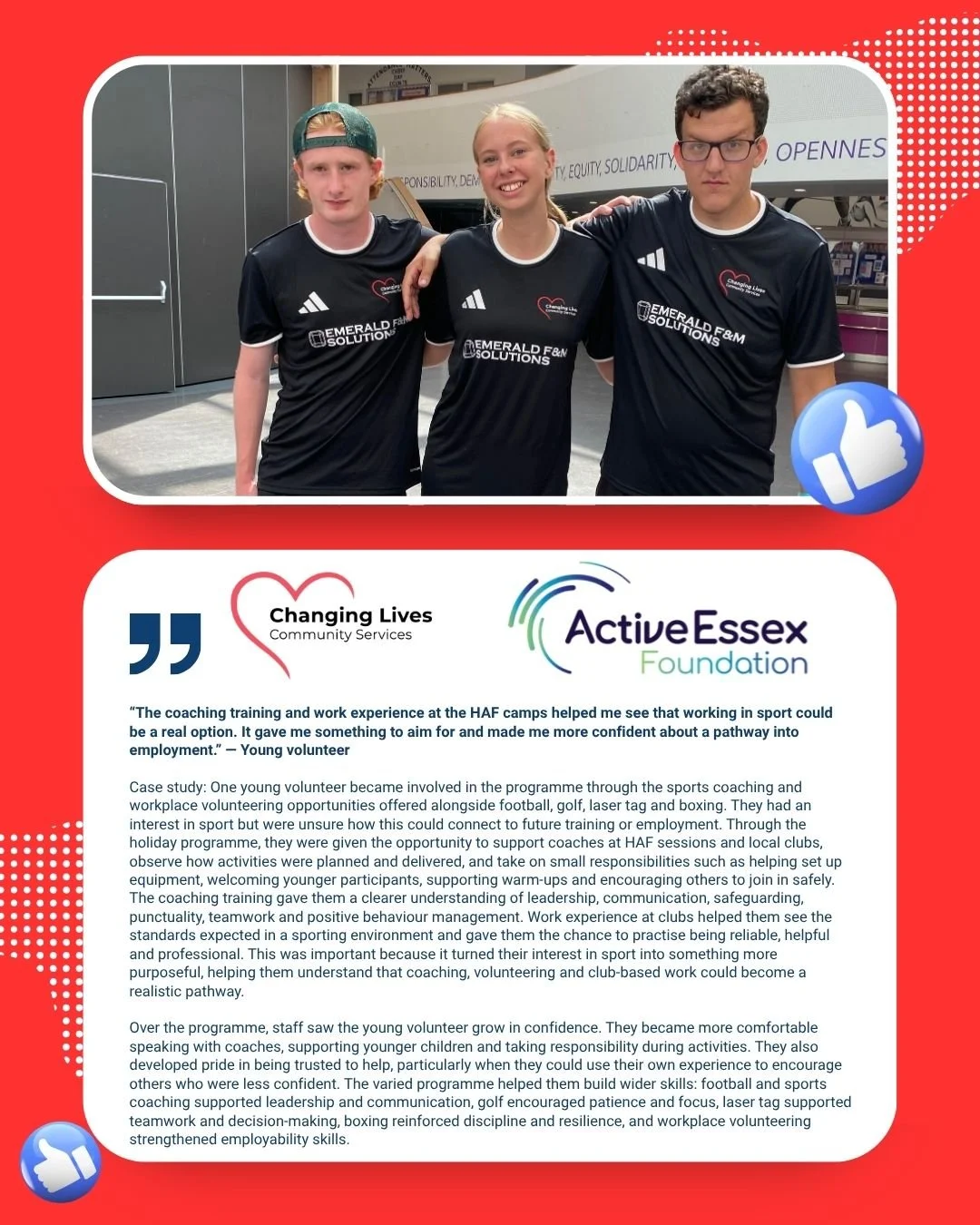
“The coaching training and work experience at the HAF camps helped me see that working in sport could be a real option. It gave me something to aim for and made me more confident about a pathway into employment.” — Young volunteer
Feedback showed that the varied activities helped young people build confidence, teamwork, resilience and practical skills. Golf offered a calm way to take part; football and sports coaching encouraged teamwork and leadership; laser tag added fun enrichment and communication; boxing supported discipline and emotional regulation; and workplace volunteering built responsibility, pride and employability. Billy, a young person living with autism and social isolation, grew in confidence through the programme and later volunteered at additional HAF clubs, helping set up activities and support younger participants. His progress showed how the programme helped young people feel valued, connected and proud of what they achieved.
Our holiday programme showed the value of offering a varied, flexible provision that responded to different interests, confidence levels and needs. Activities including football, golf, laser tag, boxing, sports coaching and workplace volunteering gave young people a wider choice and helped increase overall engagement, even though we did not have one consistent cohort attending every session. This flexibility was positive because young people could access the activities that suited them best, while still benefiting from safe spaces, trusted adults and positive routines during the school holidays.
Key learning was that different activities created different routes into participation and development. Football and sports coaching supported teamwork, leadership and communication; golf offered a calm environment for confidence, patience and focus; laser tag provided fun enrichment and teamwork; boxing reinforced discipline, resilience and emotional regulation; and workplace volunteering, coaching training and work experience at clubs helped young people develop responsibility, employability skills and future aspirations. Providing hot meals, transport support, marketing, monitoring and evaluation also helped reduce barriers and strengthen delivery. Overall, the programme helped young people stay active, build confidence, feel connected and see pathways into further training, volunteering or employment.