Carers Community Fund: Six Months of Making a Difference in Our Community

April – September 2026
At Changing Lives Community Services, we believe that supporting carers means looking beyond the caring role itself and creating opportunities that improve wellbeing, confidence, independence and connection for the whole family.
Over the past six months, our work through the Carers Community Fund has continued to provide opportunities for carers, young carers and their families across our community.
The Carers Community Fund was established to increase opportunities for early intervention and prevention support for carers within their own communities. Over this latest six-month period, we have continued to build on the successful model developed throughout the three-year grant, using our existing community programmes to create additional opportunities for carers to participate, connect and benefit from positive activities.
350 carers supported
Between April and September 2026, 350 carers in Harlow benefited from our project.
Our support has reached a diverse range of people, including parent carers, working-age carers, young carers, young adult carers and carers who have experienced bereavement or who support someone with a specific condition.
Importantly, our approach is not about providing one type of support or asking carers to fit into a single programme.
Instead, we have created a broad range of opportunities that allow carers and their families to engage in ways that work for them.
Creating opportunities through existing provision
One of the biggest successes of the project has been our ability to use our existing programmes and community provision to create additional opportunities for carers.
During the past six months, this has included:
During the past six months, this has included:
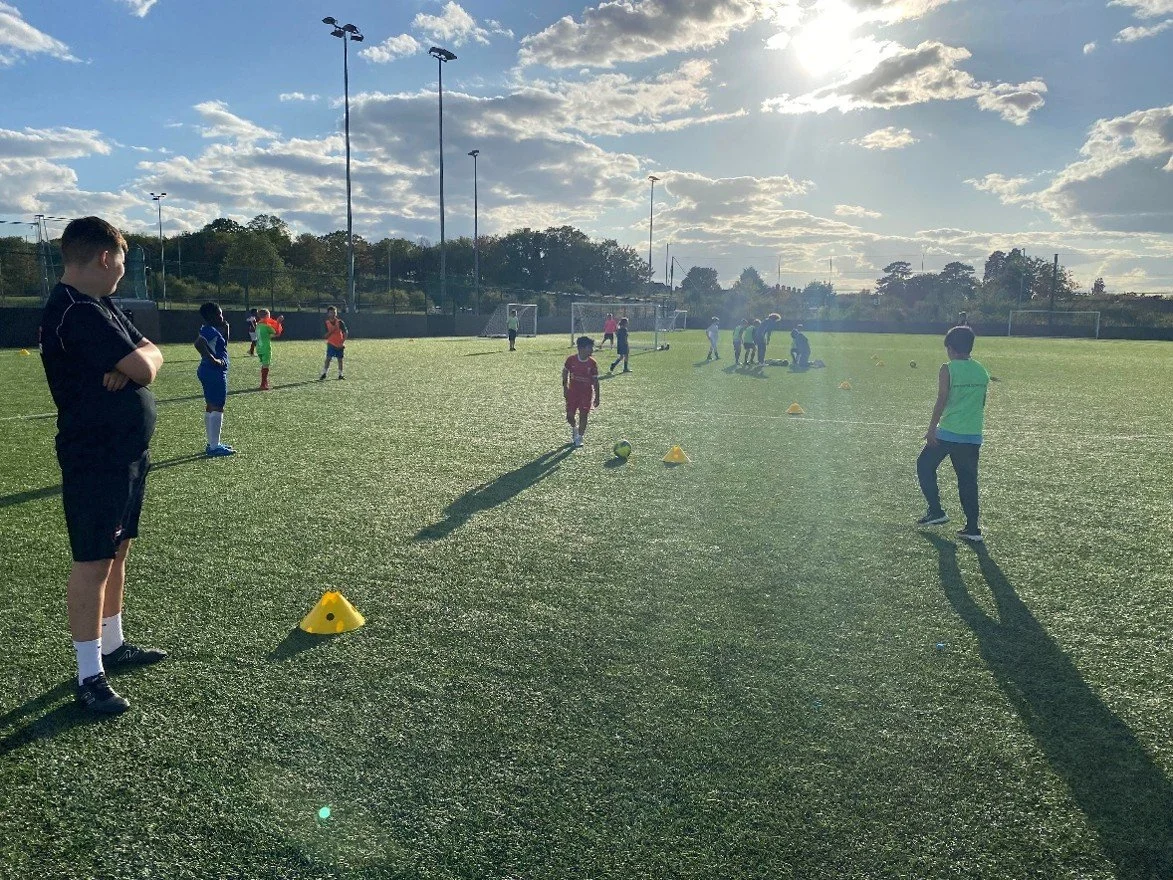
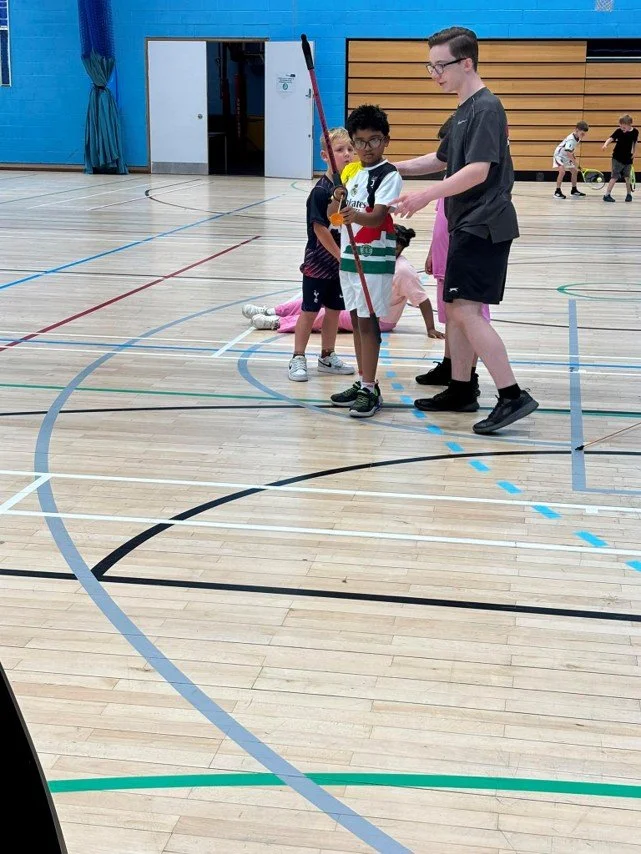
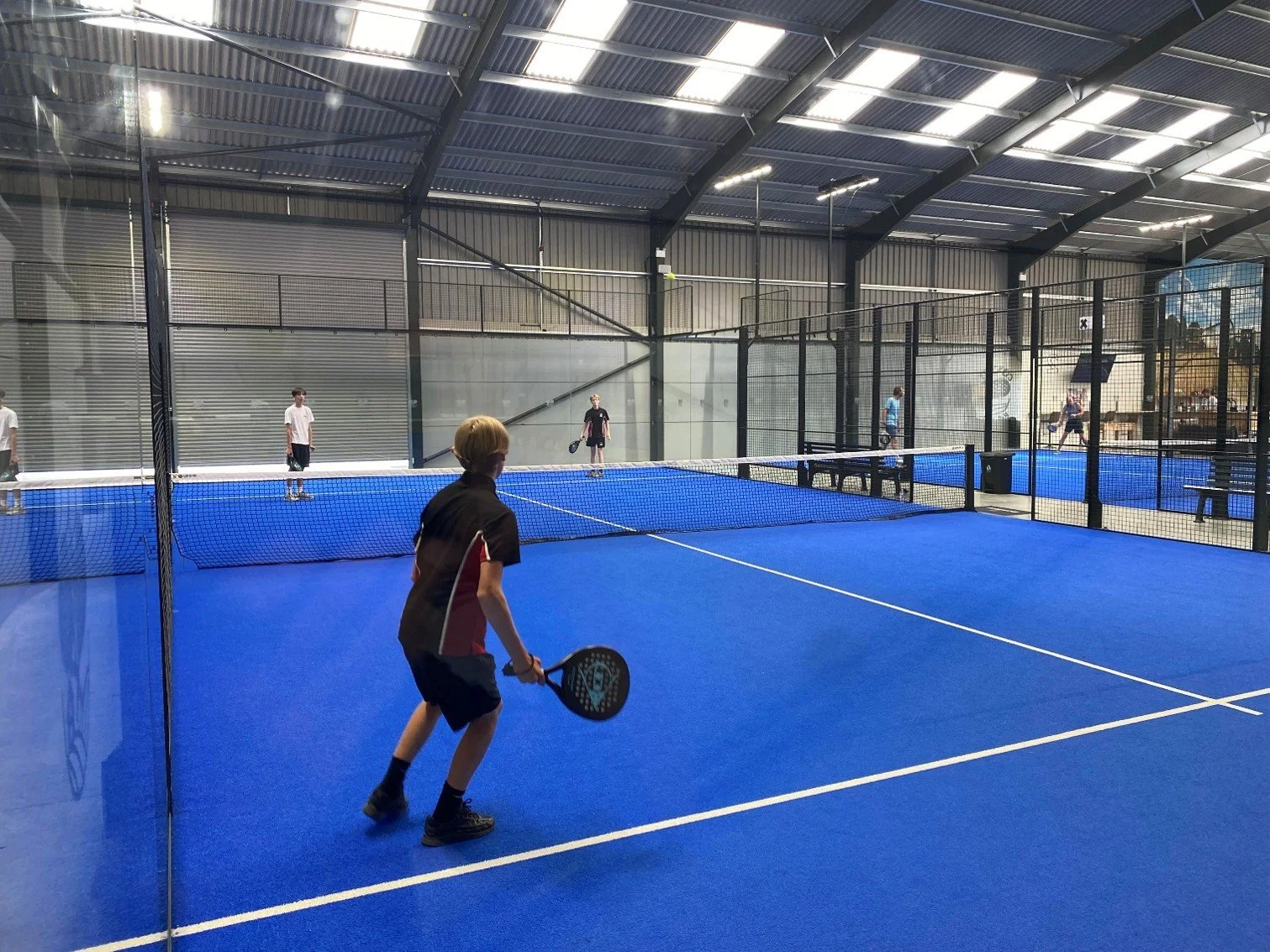
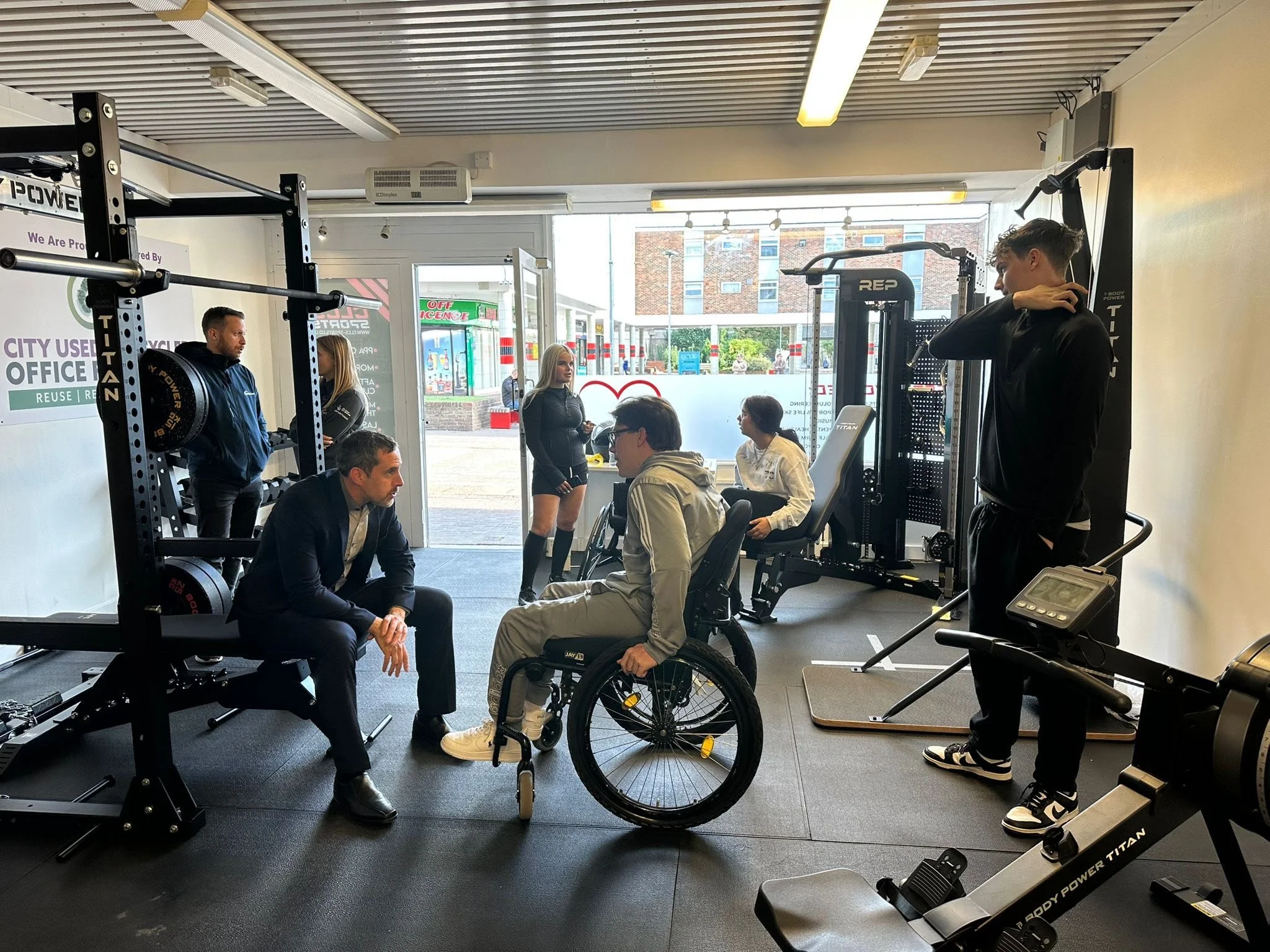
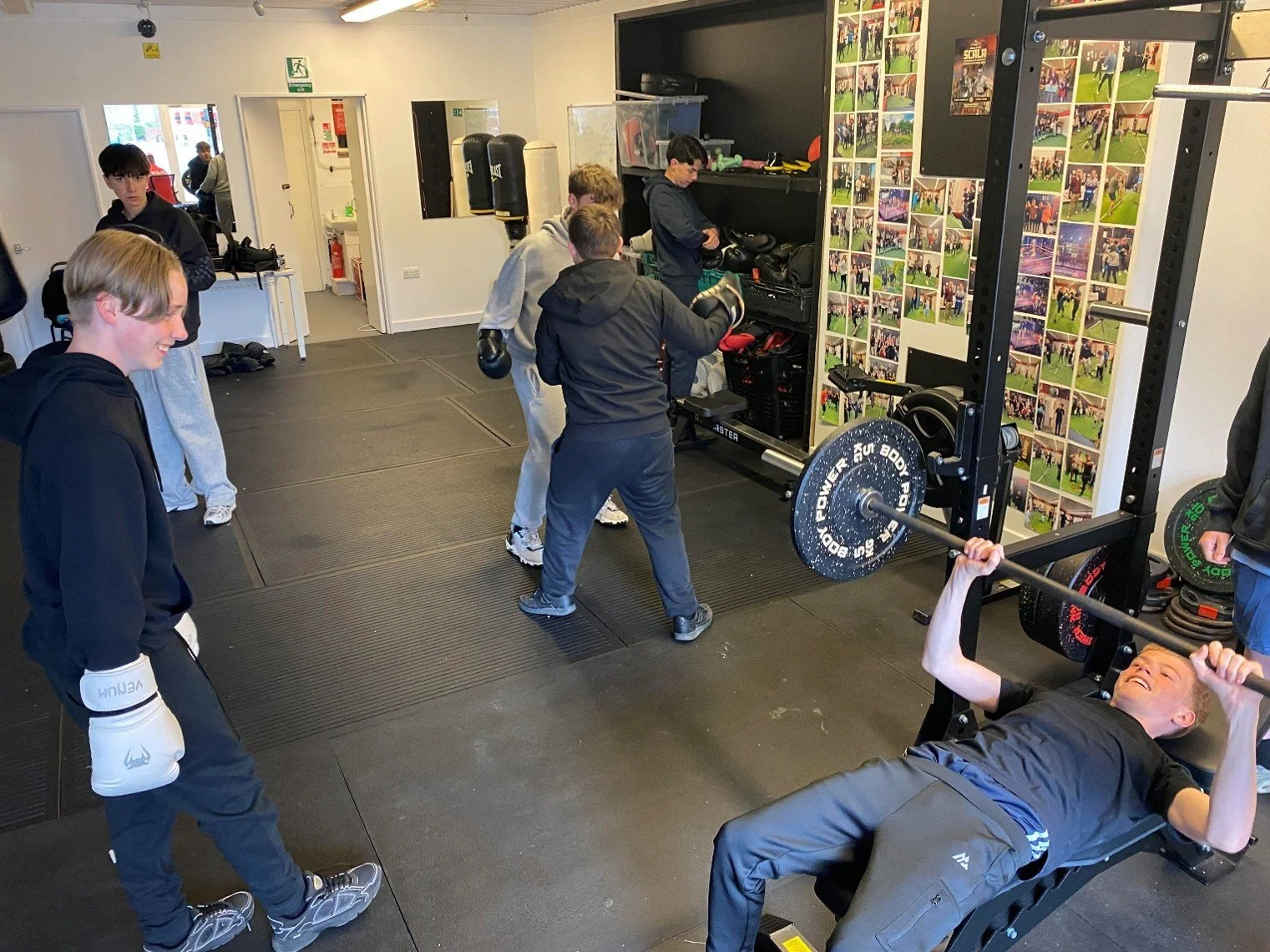
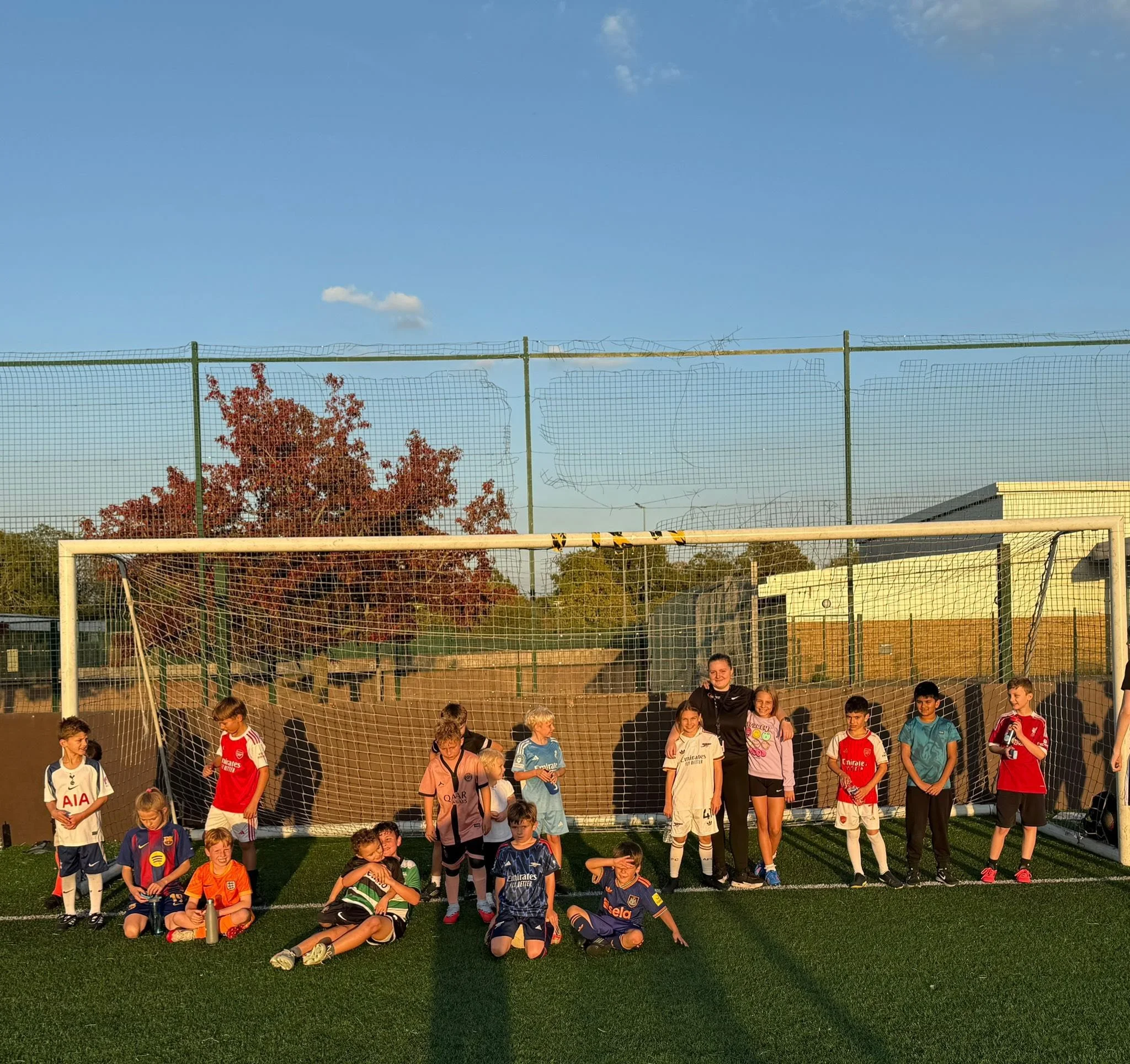
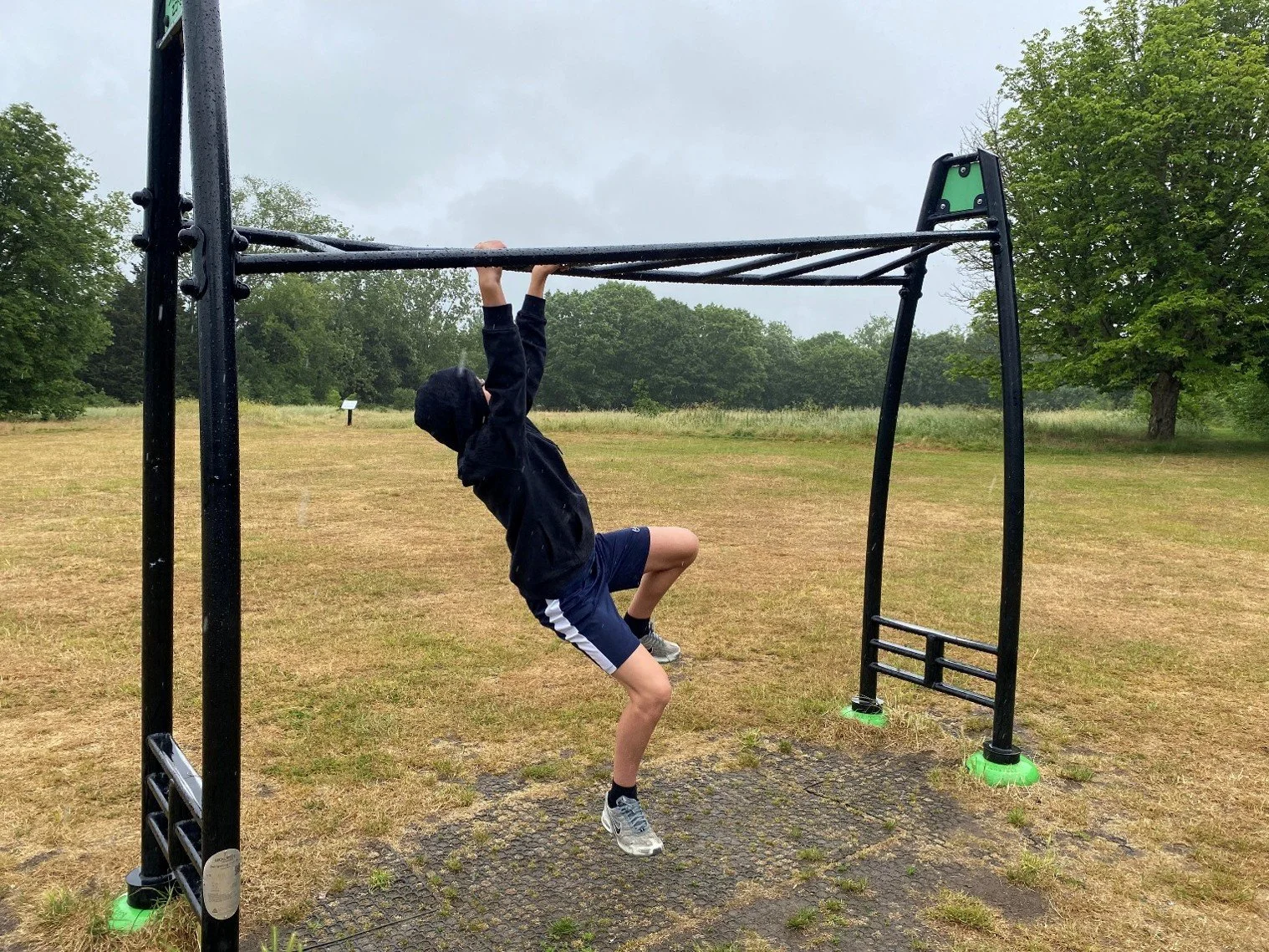
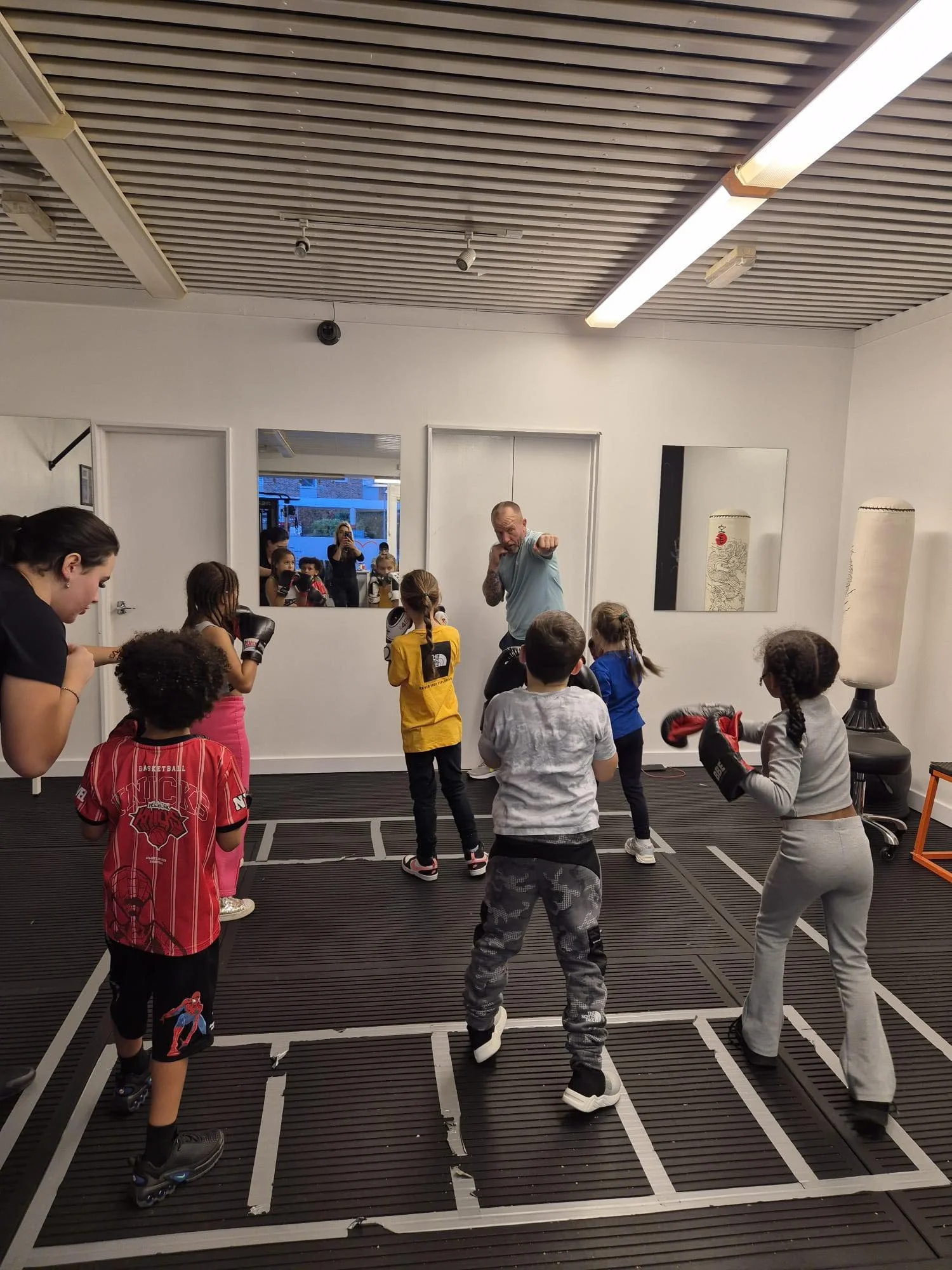
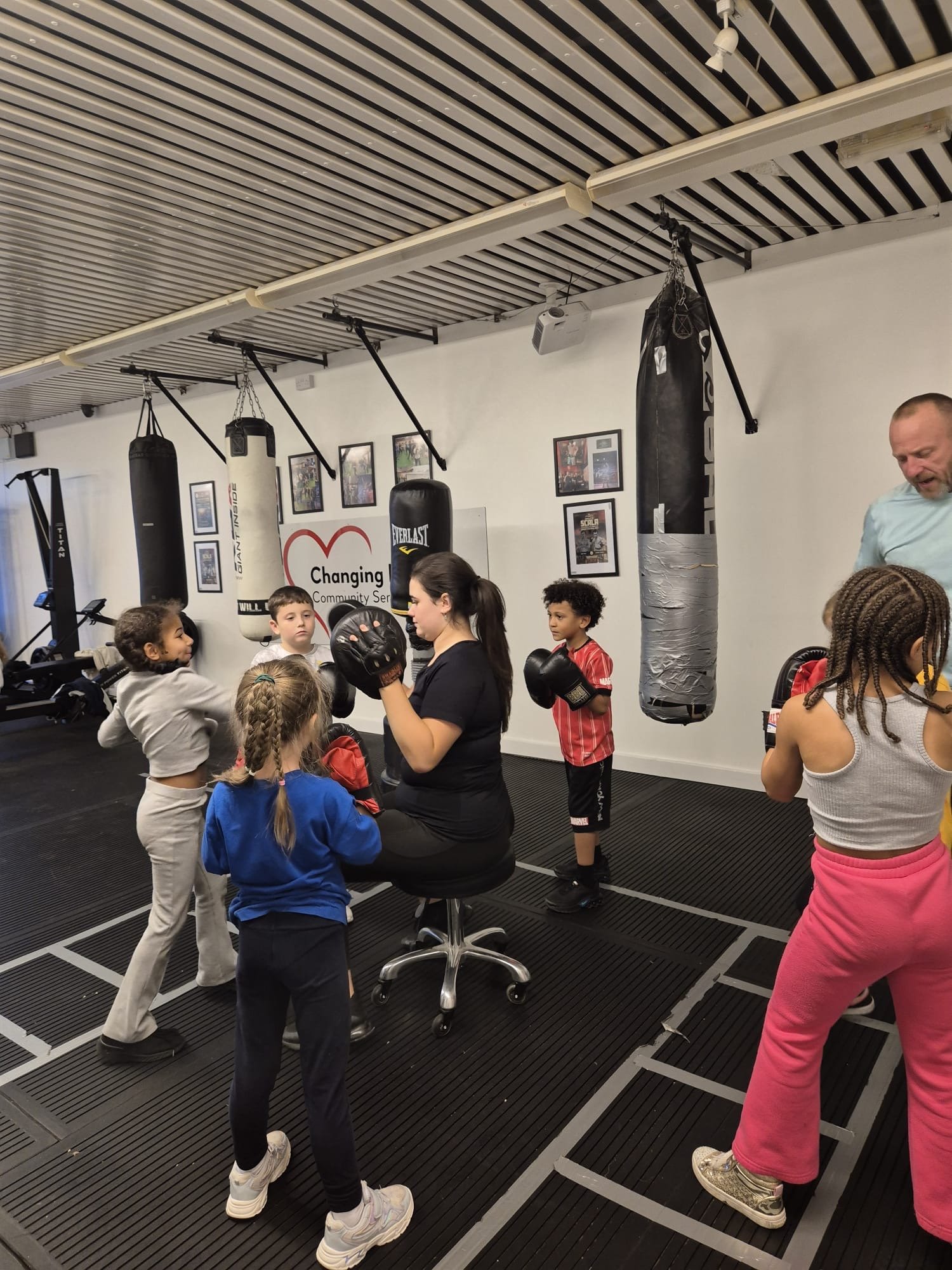
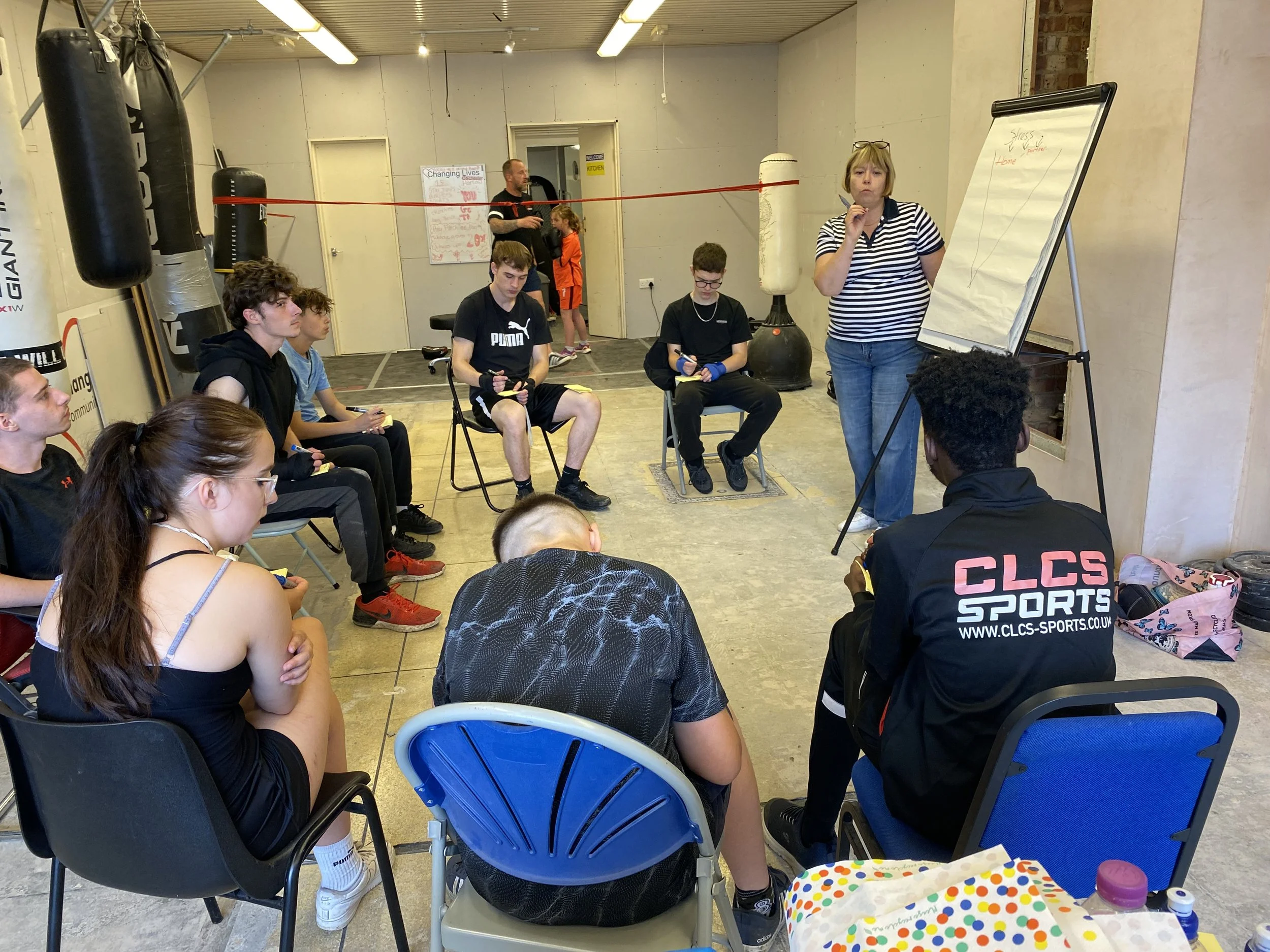
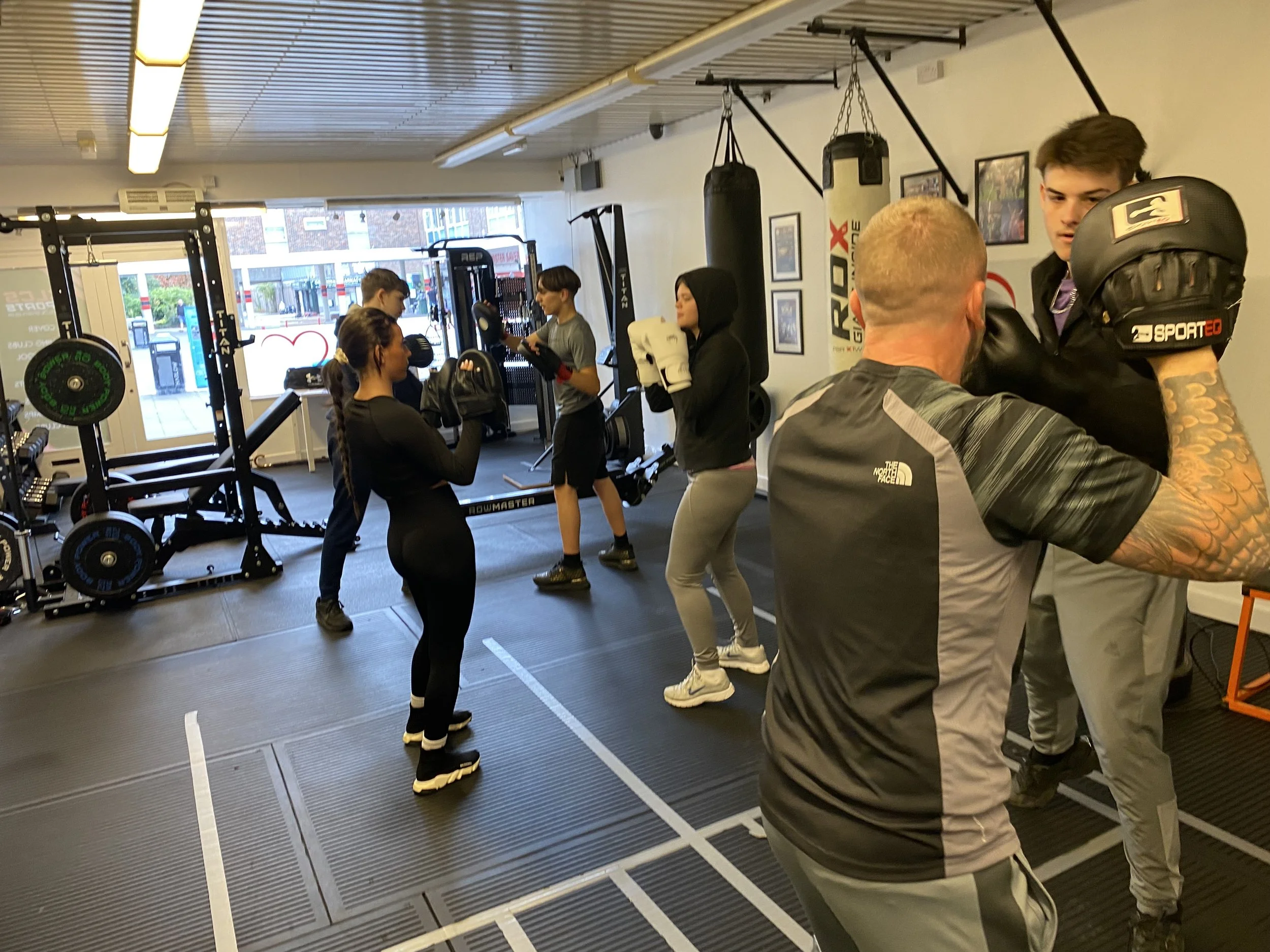
Free sports and exercise sessions
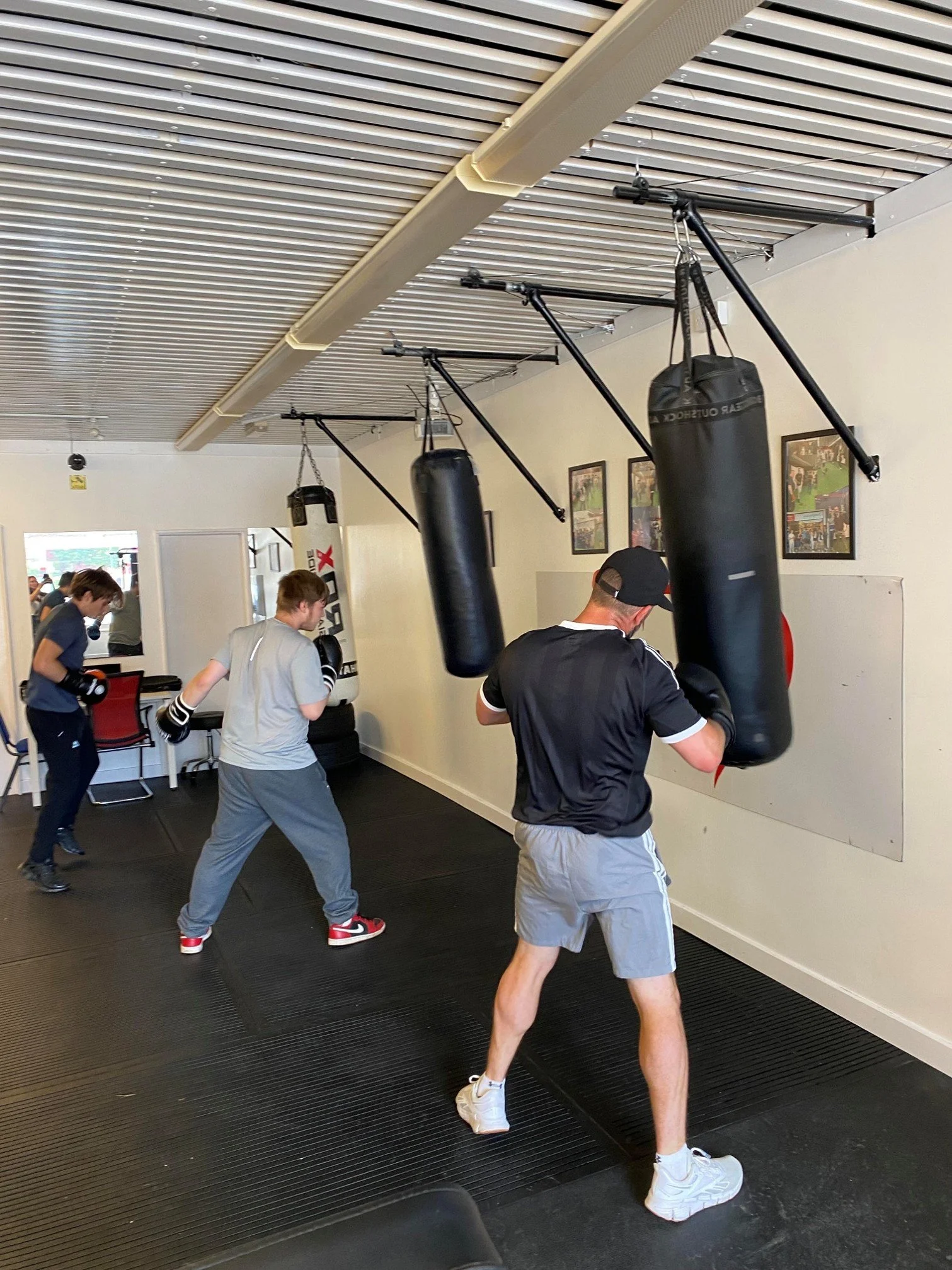
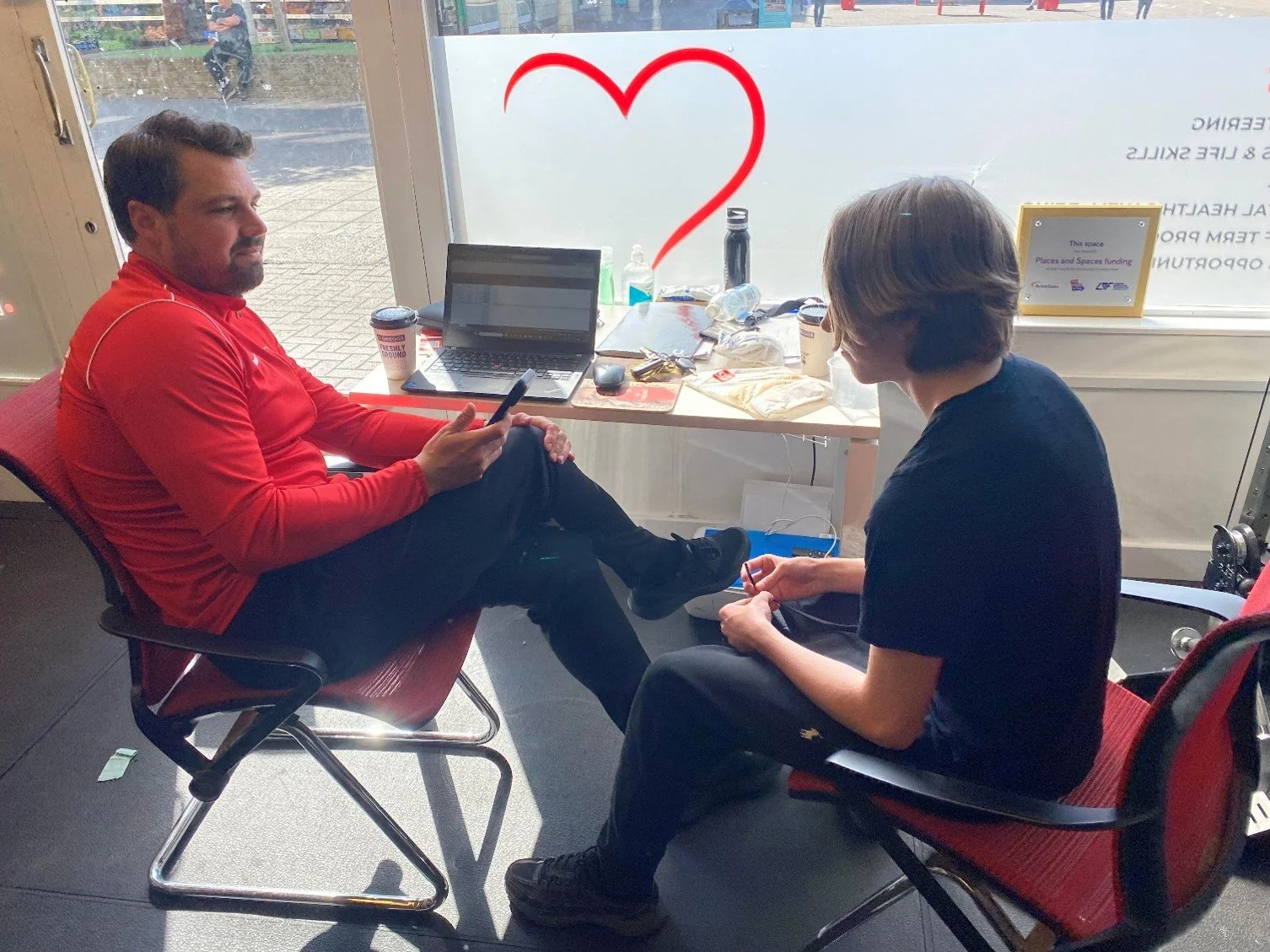
Community gym and regular gym sessions
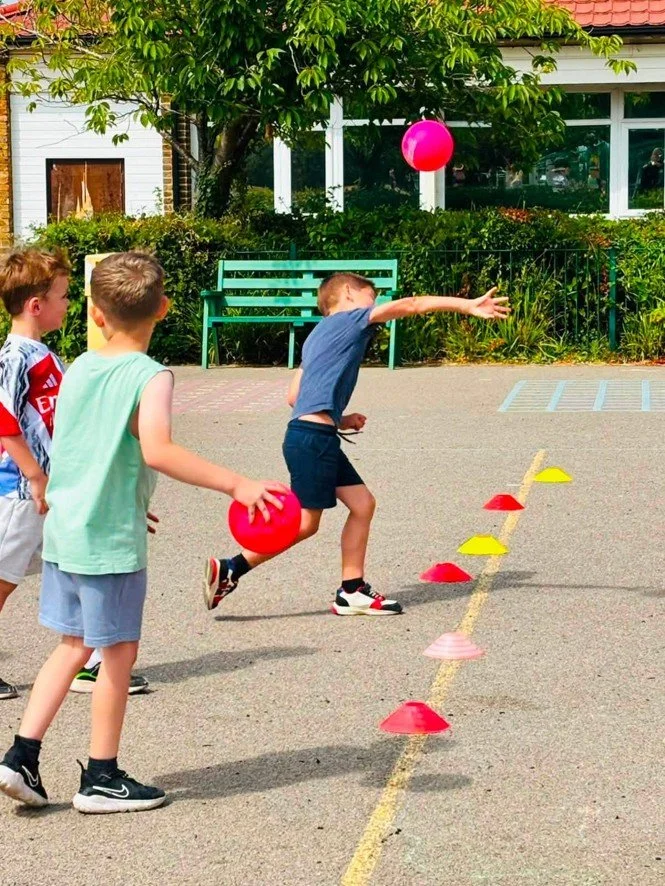
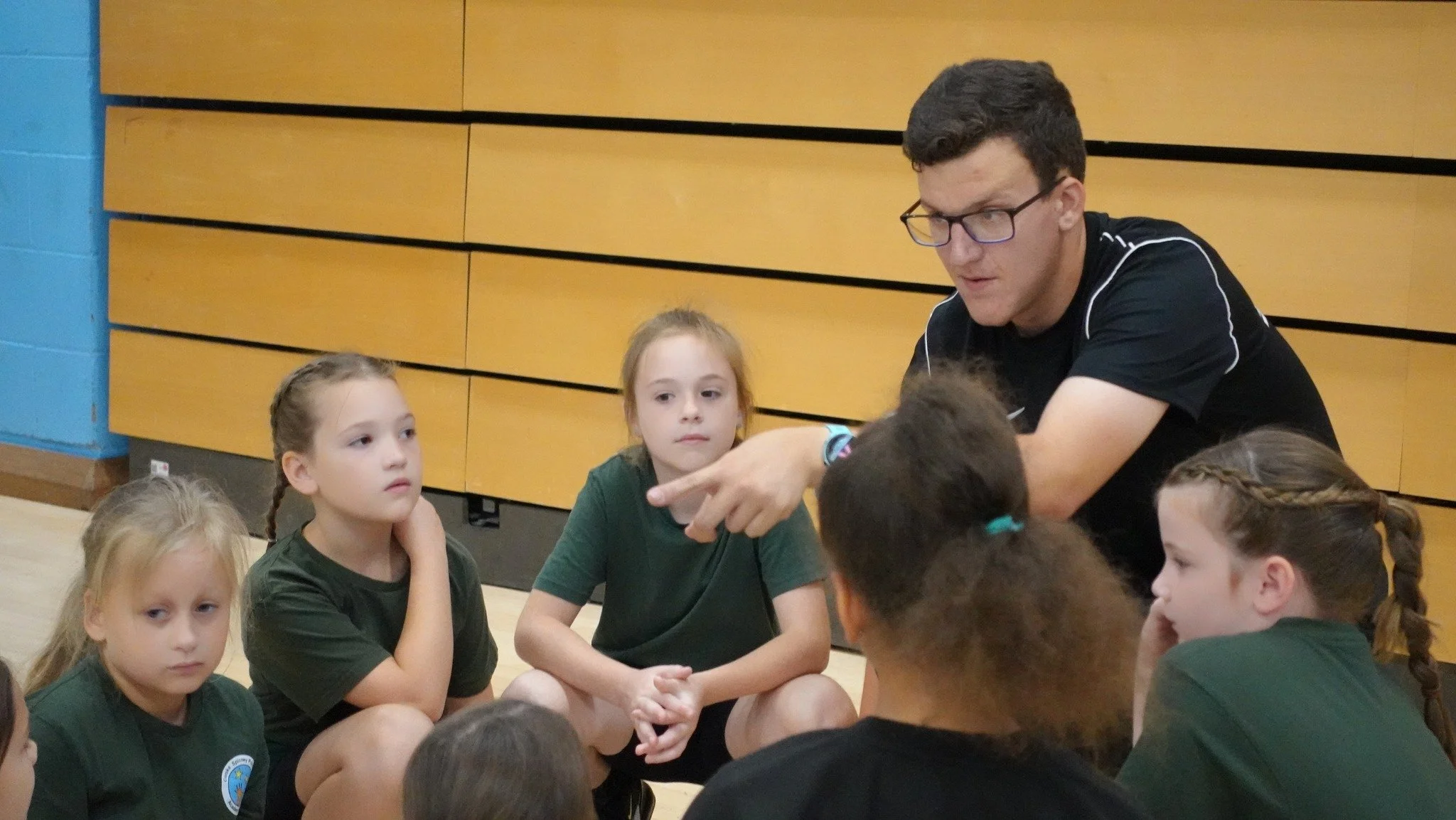
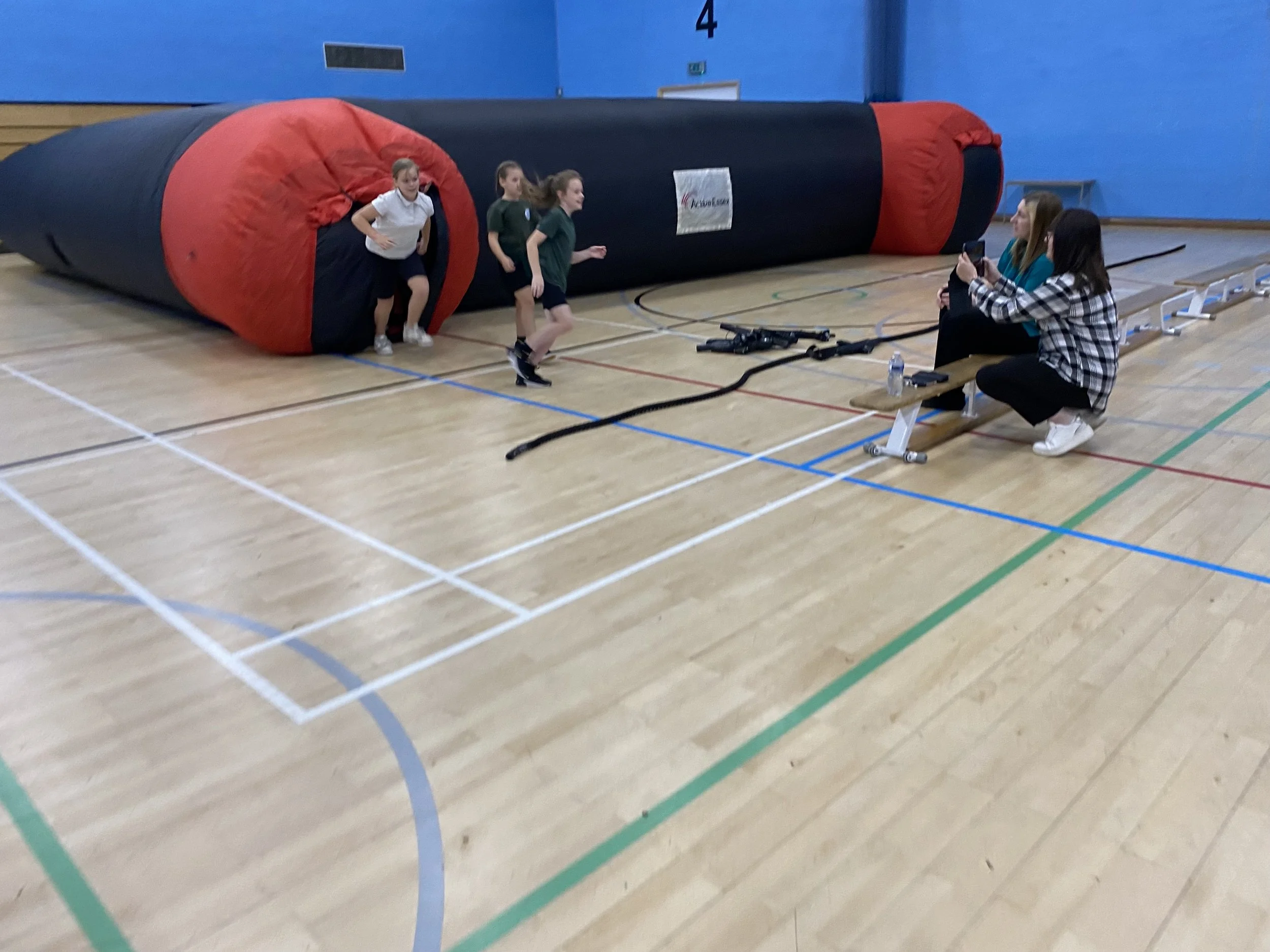
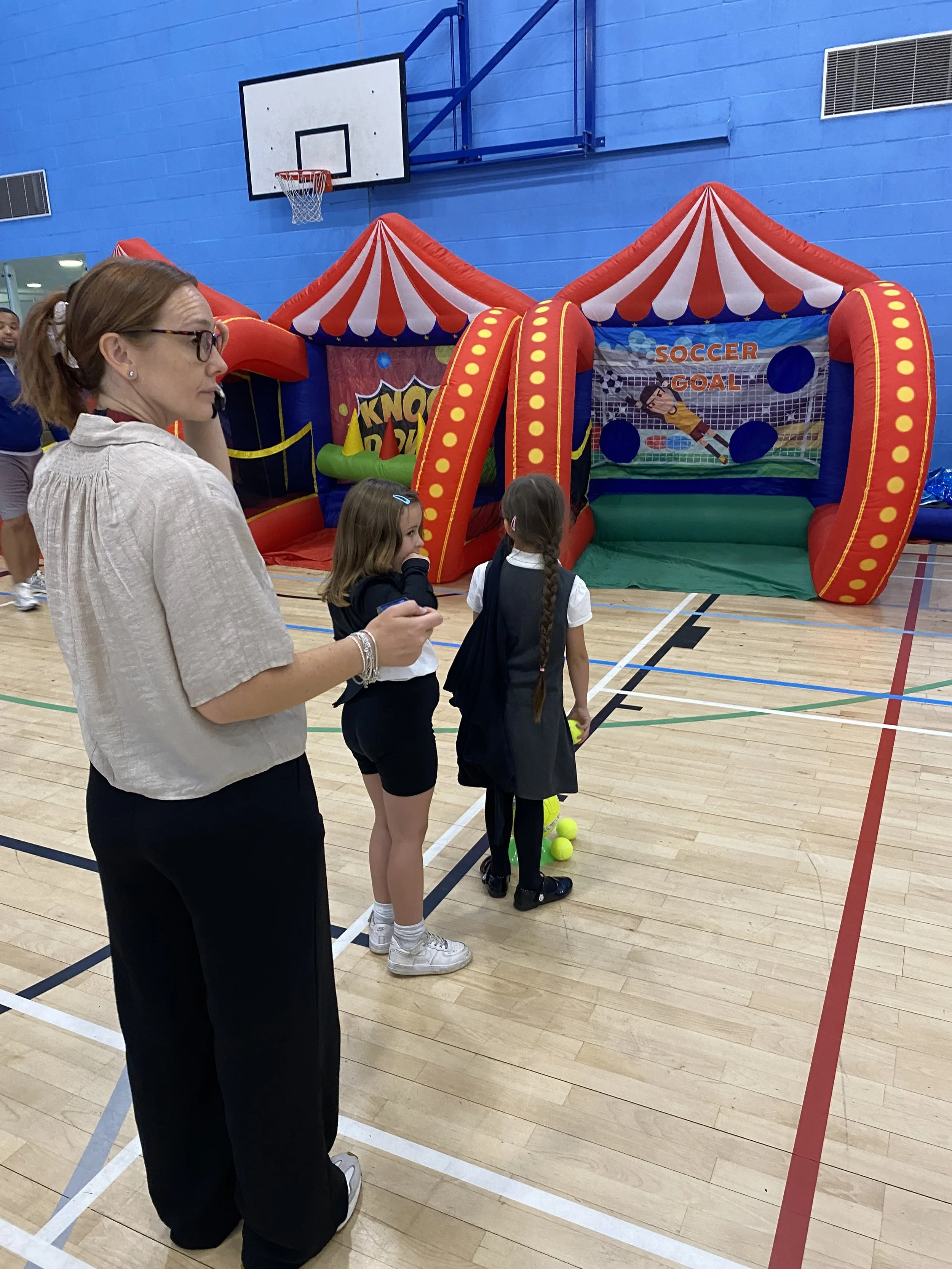
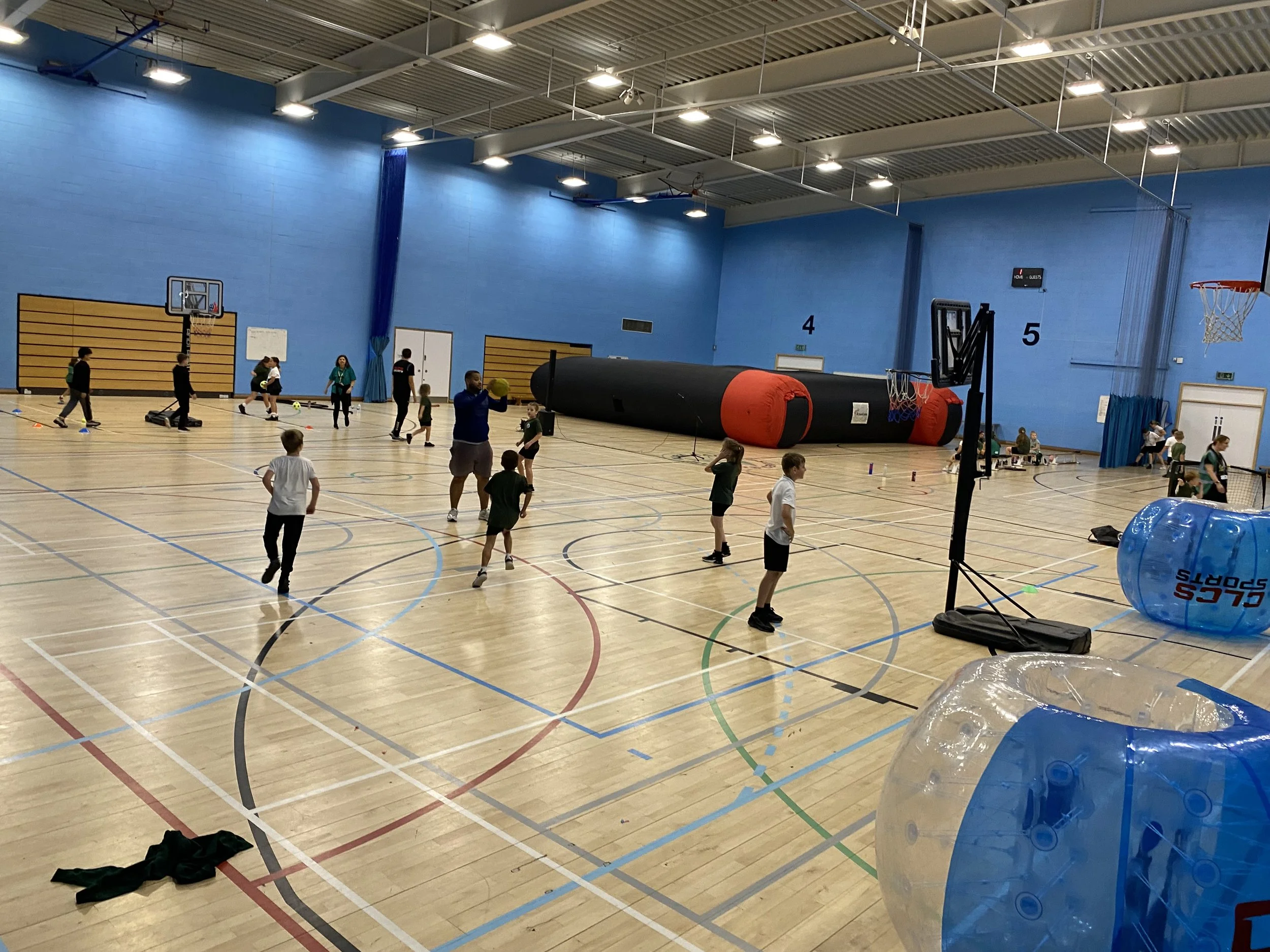
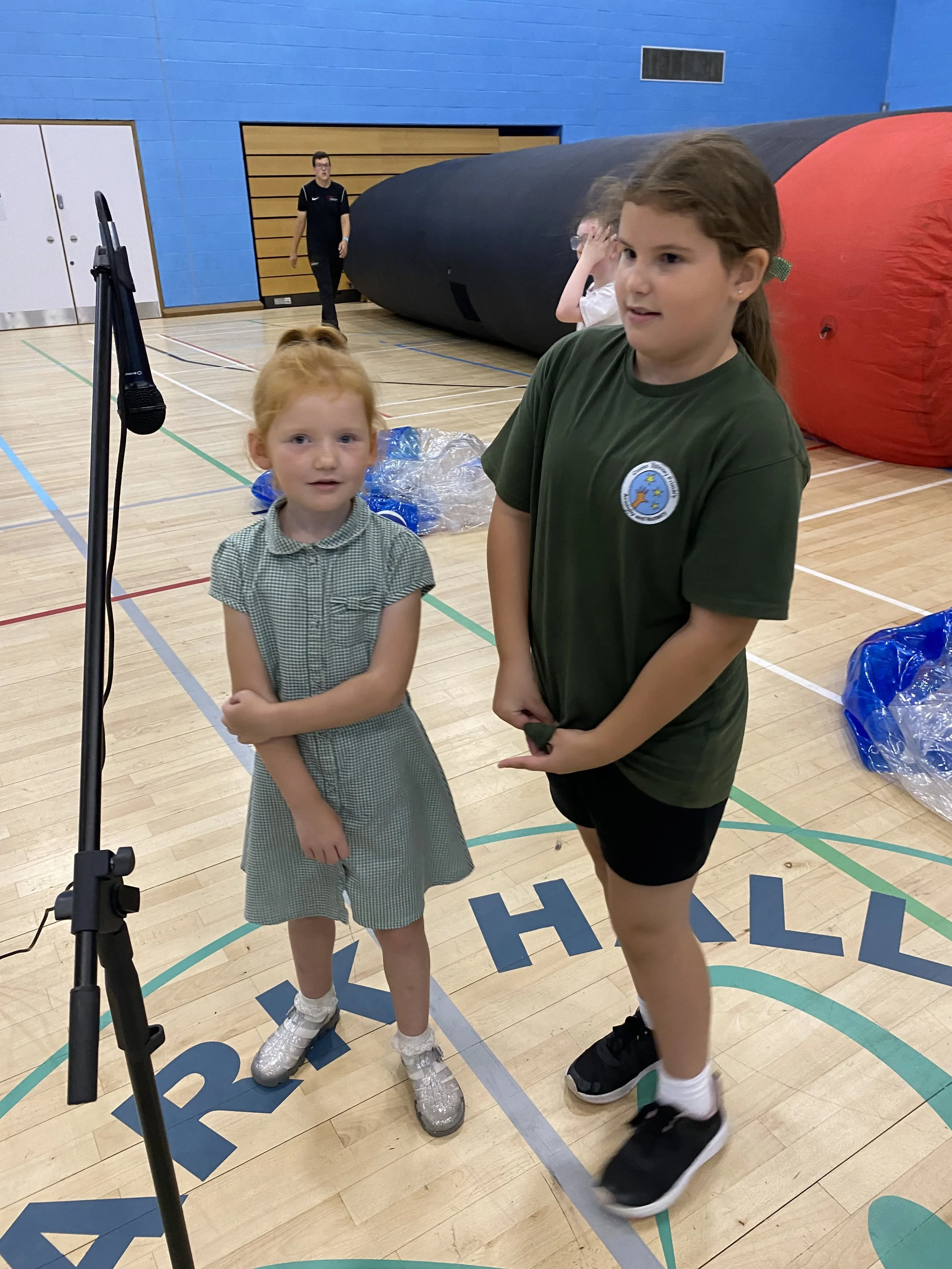
School-based activities
After-school activities
School taster sessions
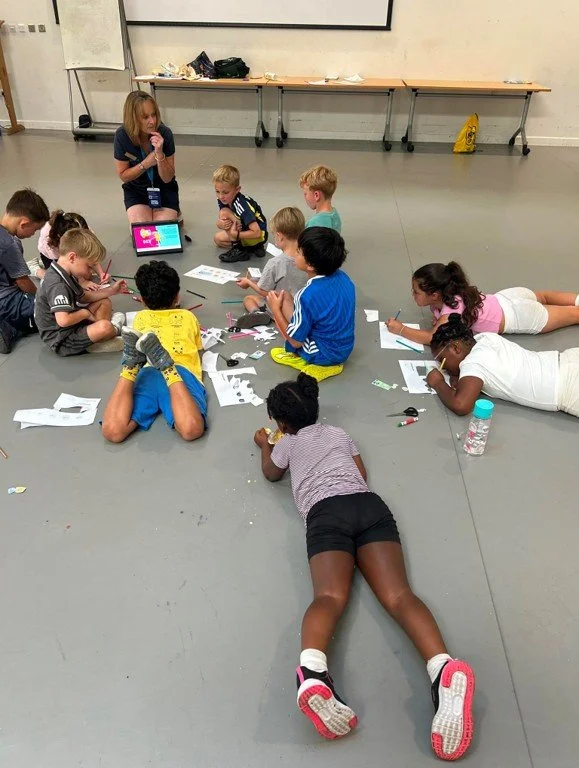
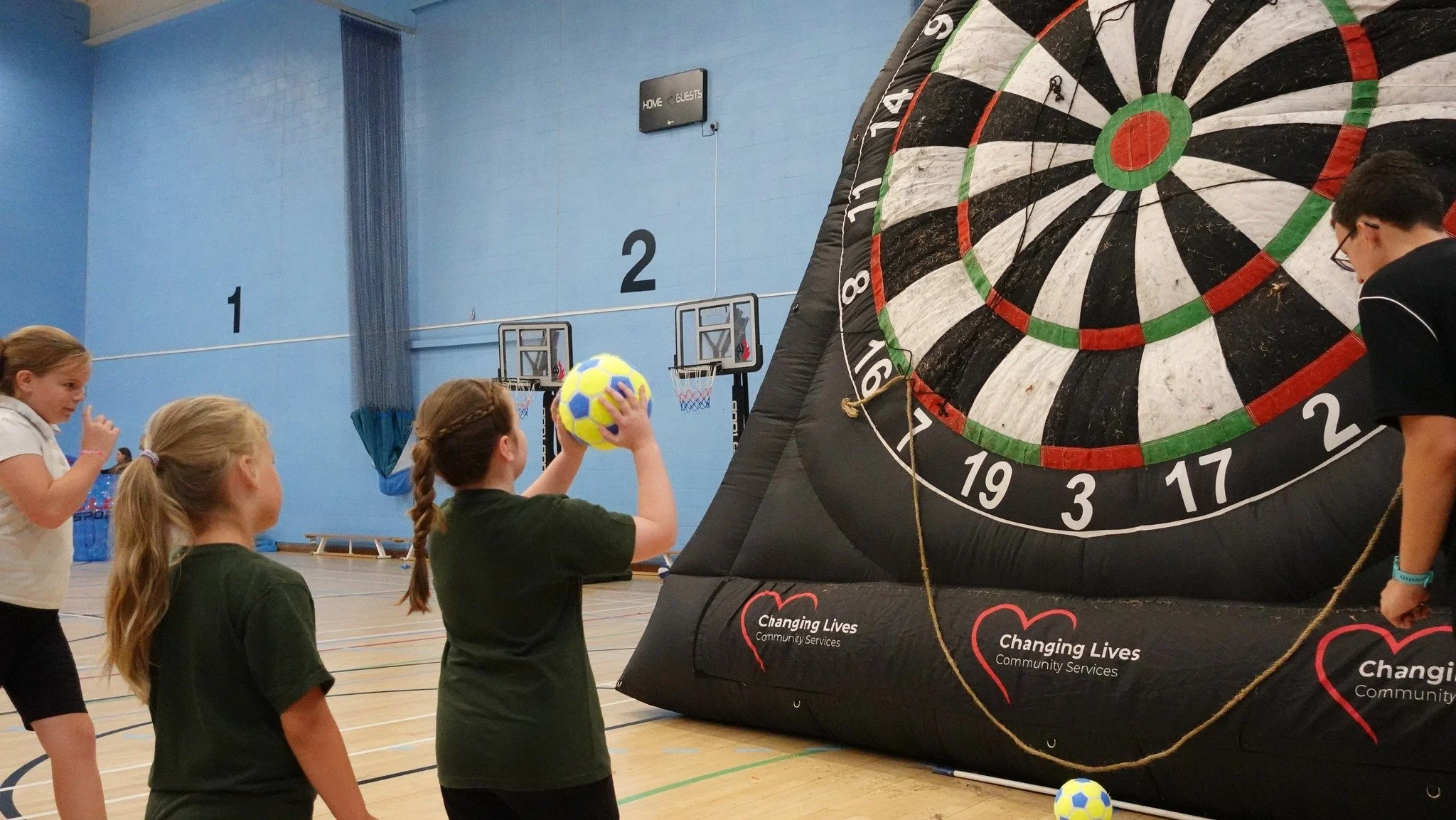
Holiday and half-term activity programmes
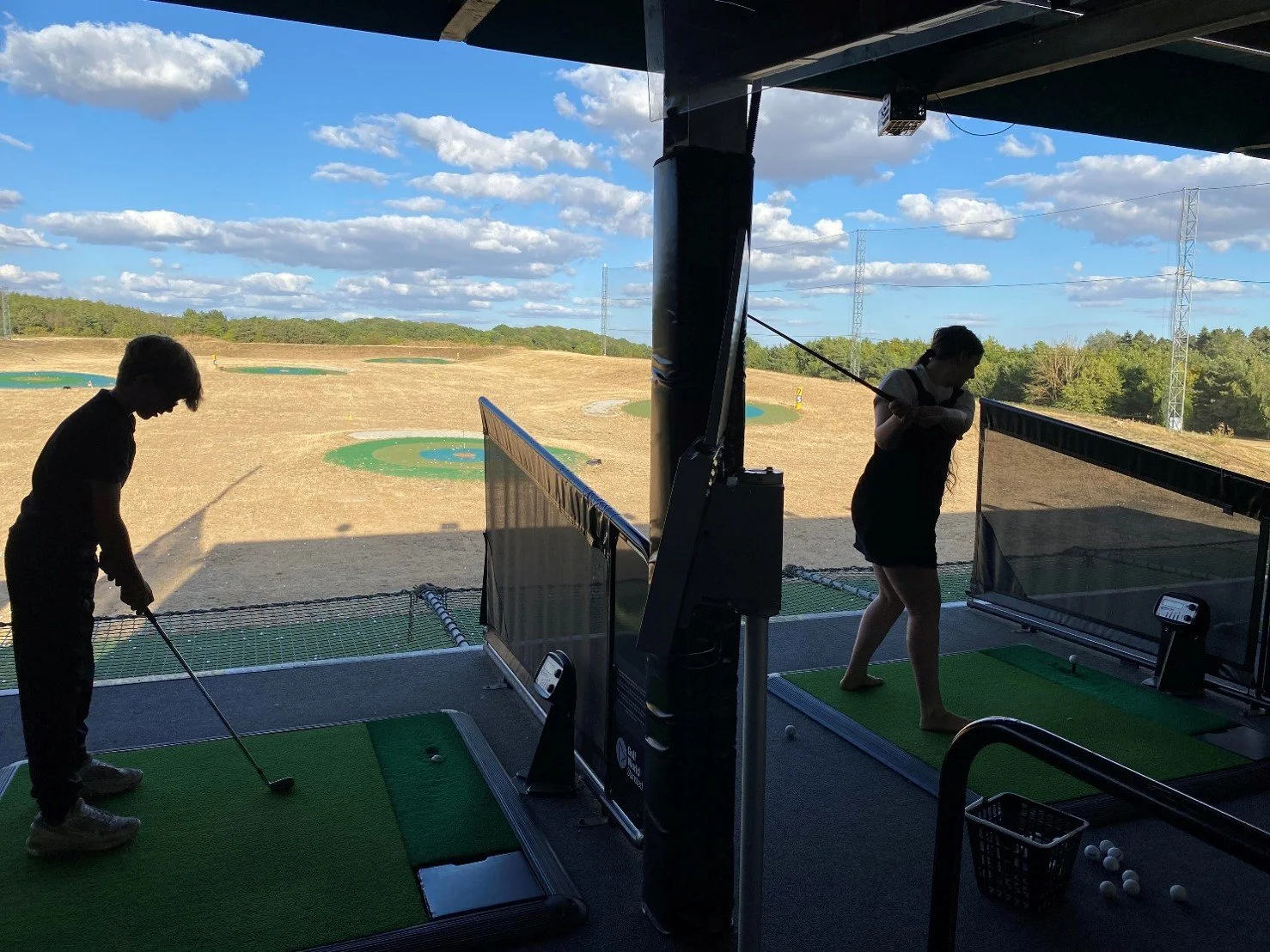
Golf opportunities
Enrichment activities
Volunteering opportunities
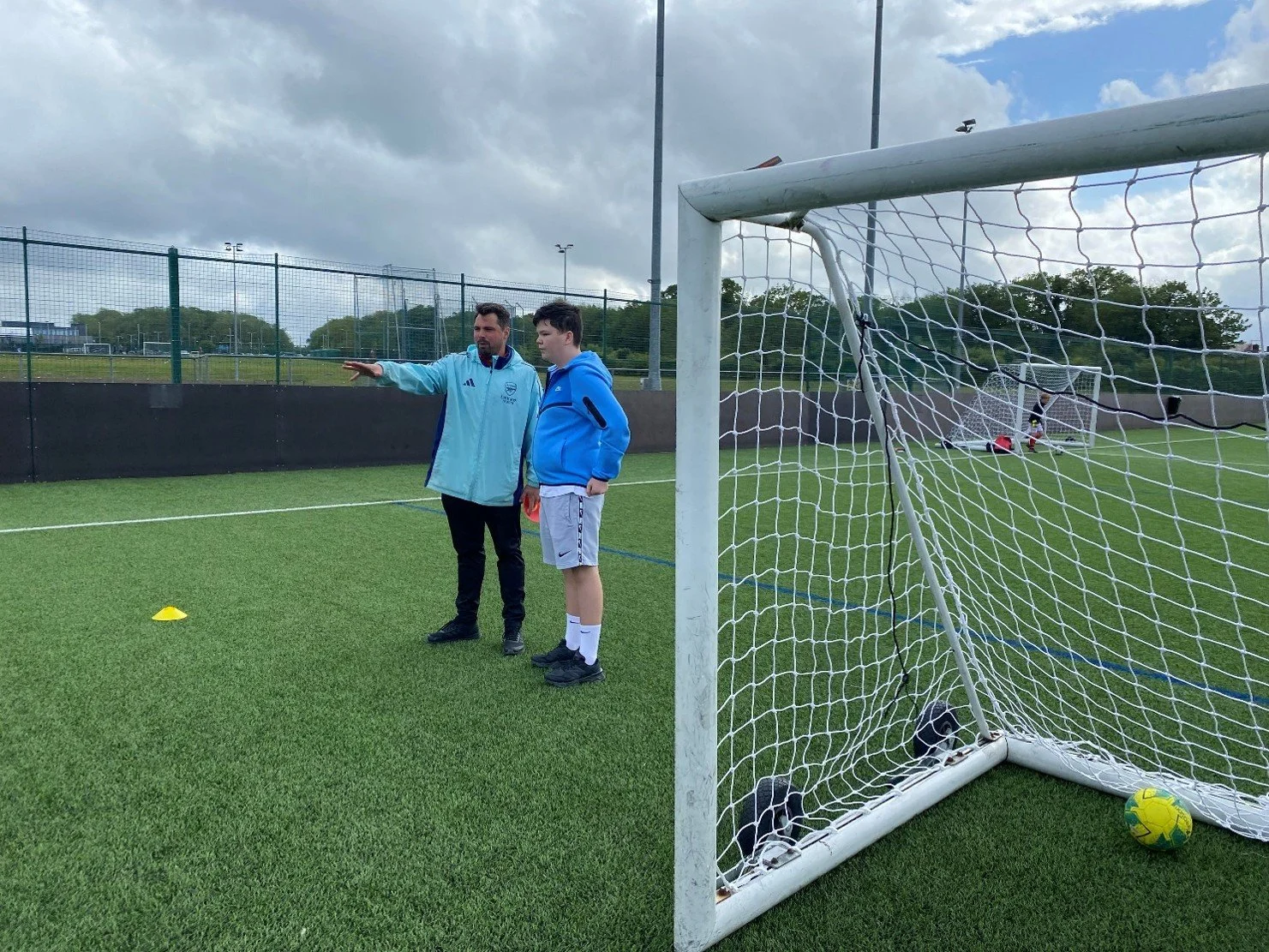
Coaching and development pathways
This approach has helped us make our offer more flexible and accessible.
Rather than relying solely on standalone sessions specifically for carers, we have been able to provide additional places within activities that are already taking place in the community.
This means carers can access opportunities alongside their children, young people and the wider community, helping to reduce barriers and create a more inclusive experience.
Supporting wellbeing and creating respite
For many carers, finding time for themselves can be difficult.
Our sports, exercise and gym opportunities have provided carers with opportunities to focus on their own physical and emotional wellbeing while also giving them valuable respite from their caring responsibilities. The project has also helped remove financial barriers, with free opportunities allowing young carers and families to participate when cost might otherwise prevent them from doing so.
Sometimes, the impact of respite does not need to be complicated.
Knowing that a child or young person is somewhere safe, supported and enjoying an activity can provide a parent carer with the opportunity to take a break, complete other responsibilities, spend time with other family members or simply have some time to themselves.
That time can make a meaningful difference.

A case study: supporting the whole family
One of the most powerful examples from this reporting period involves a parent carer supporting her 16-year-old son.
Her son was being home educated because autism and social difficulties made a mainstream school environment challenging. He had very limited opportunities to meet other young people, participate outside the home or develop confidence in social situations.
For his mother, this created additional pressure.
She was concerned about his isolation, communication, confidence and future. She wanted him to have opportunities to develop and enjoy activities independently, but finding environments where he felt comfortable was difficult.
We introduced him gradually to our after-school sports sessions, allowing him to participate at his own pace in a welcoming and supportive environment.
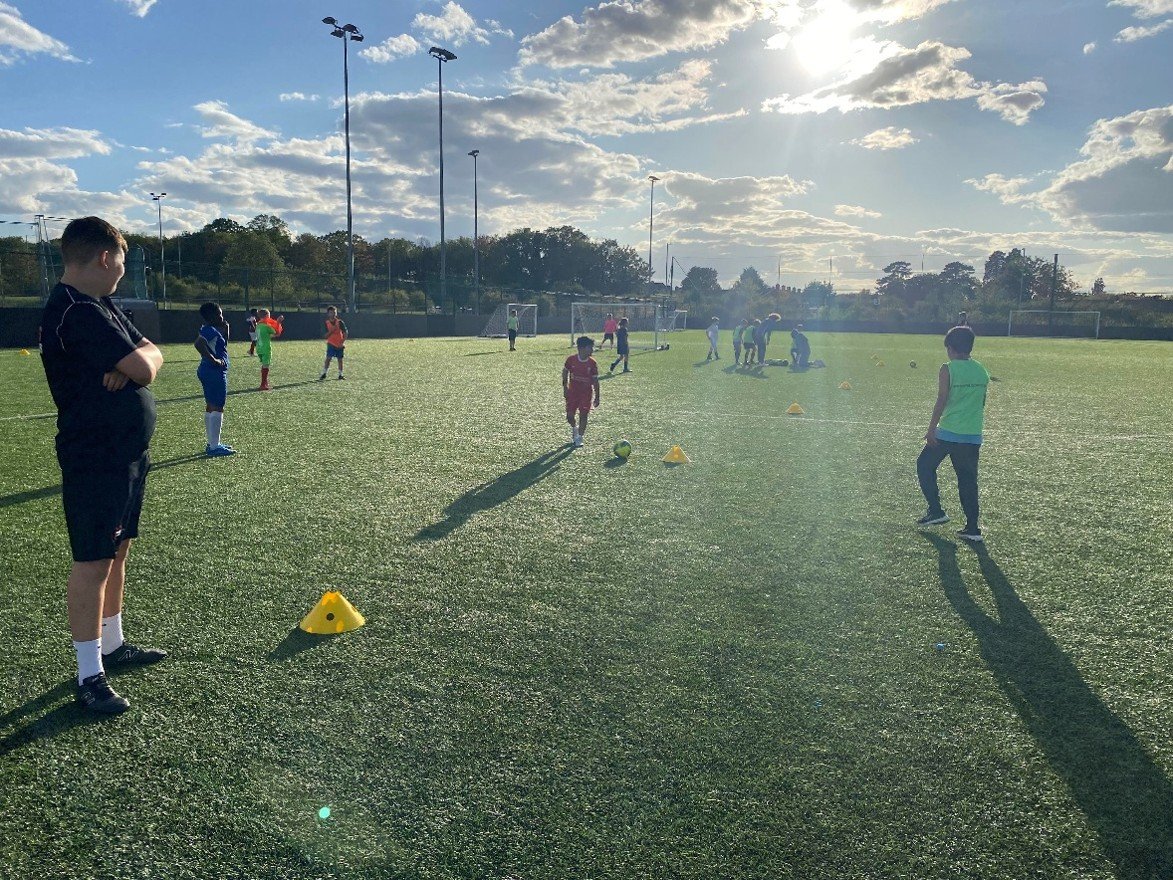
As he became more comfortable, his mother gained greater reassurance that he was somewhere safe, engaged and supported.
Importantly, the sessions also provided her with respite from her caring responsibilities. While her son was participating independently, she had an opportunity to step away from her caring role, focus on her own needs, complete other responsibilities or simply have some time to breathe.
Over time, he progressed into our community gym and golf extracurricular project.
He began developing relationships, improving his communication and becoming more confident within the community.
For his mother, seeing this progression helped reduce some of the anxiety she had previously experienced about his isolation and future. She could see that he was beginning to participate without needing her to facilitate every interaction.
The journey continued even further.
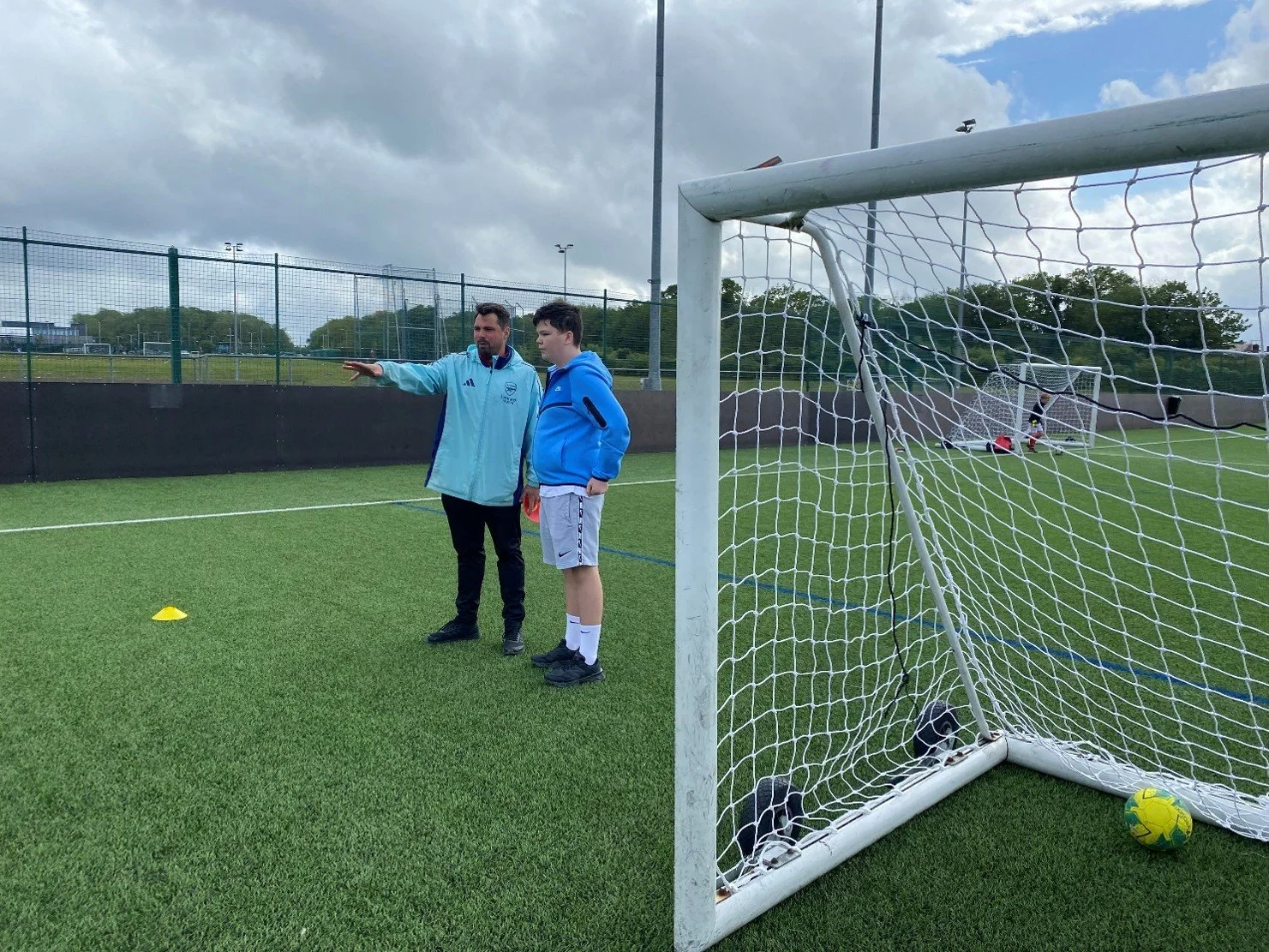
He progressed into volunteering on our half-term sports and activity programmes, taking on responsibility and working alongside our delivery team. This helped him develop teamwork, communication, practical skills and experience relevant to future employment.
For his mother, this created something incredibly important: hope and confidence in her son's future.
What began as an opportunity to attend a sports session developed into social connection, volunteering, increased independence and a pathway towards future employment.
The benefit was therefore not limited to the young person.
By supporting her son, we were also supporting his mother — providing respite, reducing worry and giving her greater confidence that he could develop and become more independent.
Listening to carers and families
The programme continues to be shaped by the people who use it.
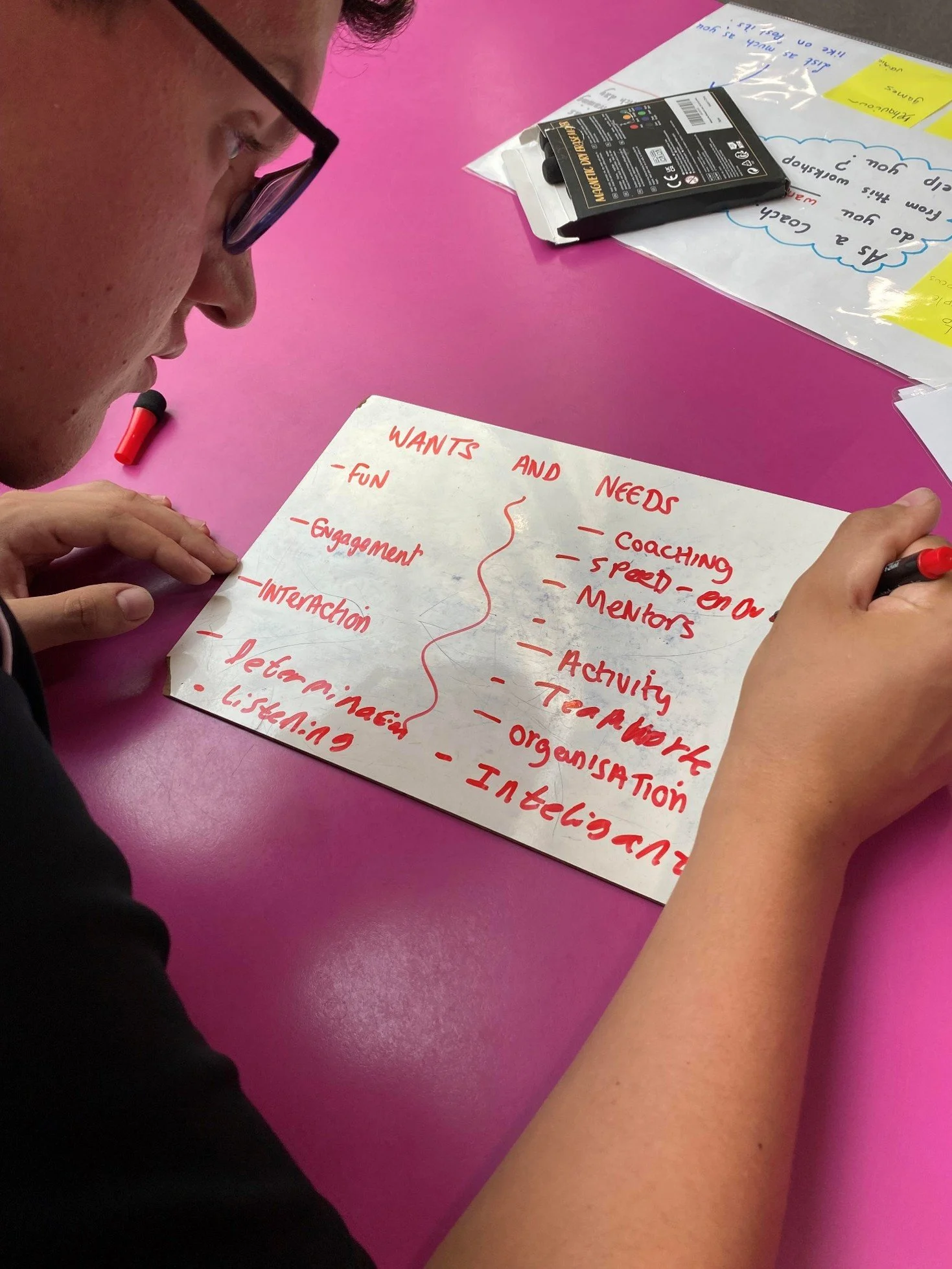
We regularly listen to parents, children and young people through conversations at sessions, school and community events, booking comments and direct discussions with families.
Their feedback has helped us develop a varied programme covering team sports, exercise, gym sessions, golf, after-school activities, holiday programmes, volunteering and coaching pathways.
This gives carers and young people different ways to engage depending on their interests, abilities, confidence and circumstances.
It also means that participation can become a journey.
Someone may begin with a taster session, progress into regular activities, develop confidence and eventually move into volunteering, coaching or employment opportunities.
Removing barriers to participation
Feedback from carers has consistently highlighted the value of being able to access activities at no cost.
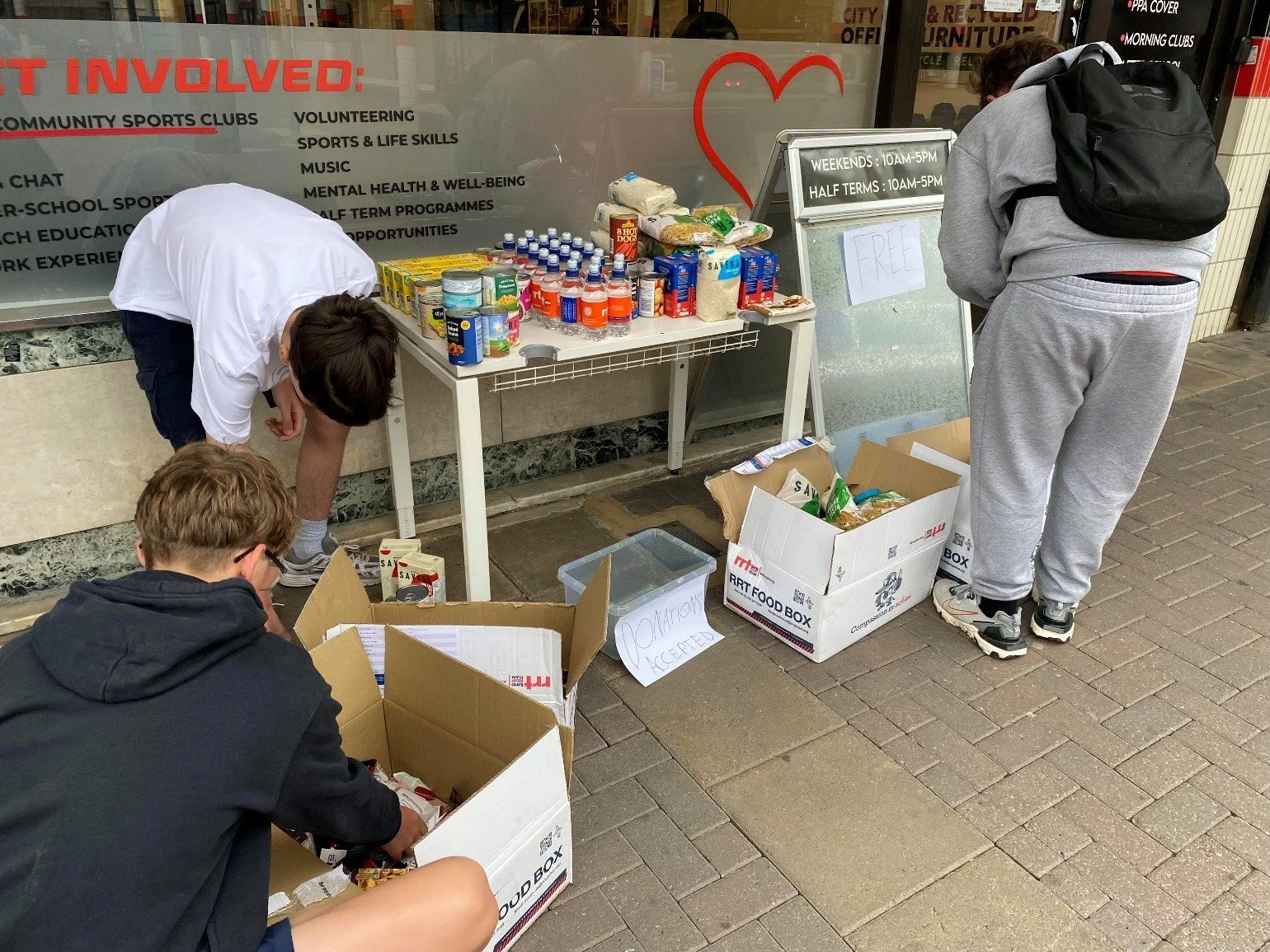
For families managing caring responsibilities, financial pressures can be another barrier to participation. By using the funding to create additional places within our existing provision, we have been able to make activities more accessible and inclusive.
Carers have also told us about the positive impact activities have had on their children's confidence and enjoyment, while providing parents and carers with reassurance and peace of mind.
Building a sustainable model
A key learning from the project has been the importance of flexibility.
Carers' availability can change depending on their caring responsibilities, which means attendance at dedicated sessions can fluctuate.
Rather than allowing this to limit the project, we have integrated carer opportunities into existing clubs, school activities, holiday provision, gym sessions and enrichment programmes.
This has created a more financially sustainable model.
Even where attendance from carers at a particular opportunity is lower than anticipated, the wider activity continues to operate. This reduces the risk of cancellations and means we can make effective use of existing staff, facilities and resources.
It also means carers have access to a wider range of opportunities rather than being restricted to a small number of dedicated sessions.
Looking ahead
As we move into the next six months, our focus is on continuing to build on this successful model.
We will continue to promote opportunities through our relationships with schools, parents, carers and community organisations, as well as through networking, taster sessions and our existing communication channels.
The next period of funding will also help us strengthen our wider provision to accommodate additional carers.
This includes the potential for:
Increased facility space
Additional staff to maintain appropriate coach-to-participant ratios
Additional equipment
Increased capacity within existing programmes
This investment will allow us to continue expanding opportunities while ensuring that quality, safety and inclusion remain at the heart of what we deliver.
Looking beyond the current funding
As we approach the final six months of the current funding period, we are also thinking carefully about the future.
The project has helped us develop a model that can sustain some support for carers through our wider programmes. However, without dedicated funding, the number of additional places we can offer would need to be reviewed.
The costs associated with additional facility space, staffing and equipment mean that our ability to increase capacity is closely linked to the availability of funding.
Early clarity around continuation funding would therefore be extremely valuable.
It would allow us to plan ahead, understand how many additional places we can sustainably provide, maintain appropriate referral routes and ensure that carers, schools and community organisations have clear information about what support will be available.
If continuation funding is not available, having sufficient notice will also allow us to work with our partners to establish appropriate alternative referral routes and ensure that carers are not left without information or support.
Thank you
We would like to thank the Carers Community Fund for its continued support and for helping us create opportunities that extend far beyond individual activities.
The last six months have demonstrated that supporting carers does not always mean creating a separate service for carers.
Sometimes, it means creating an opportunity for a young person to make friends.
Sometimes, it means giving a parent a much-needed hour of respite.
Sometimes, it means helping a young person discover confidence, volunteering or employment.
And sometimes, it means giving a carer the reassurance that their child has a safe, welcoming place where they can belong.
Over the past six months, 350 carers have benefited from our project, and we are proud of the difference this funding has helped us make across our community.
We look forward to continuing to build on this work and creating even more opportunities for carers and their families.