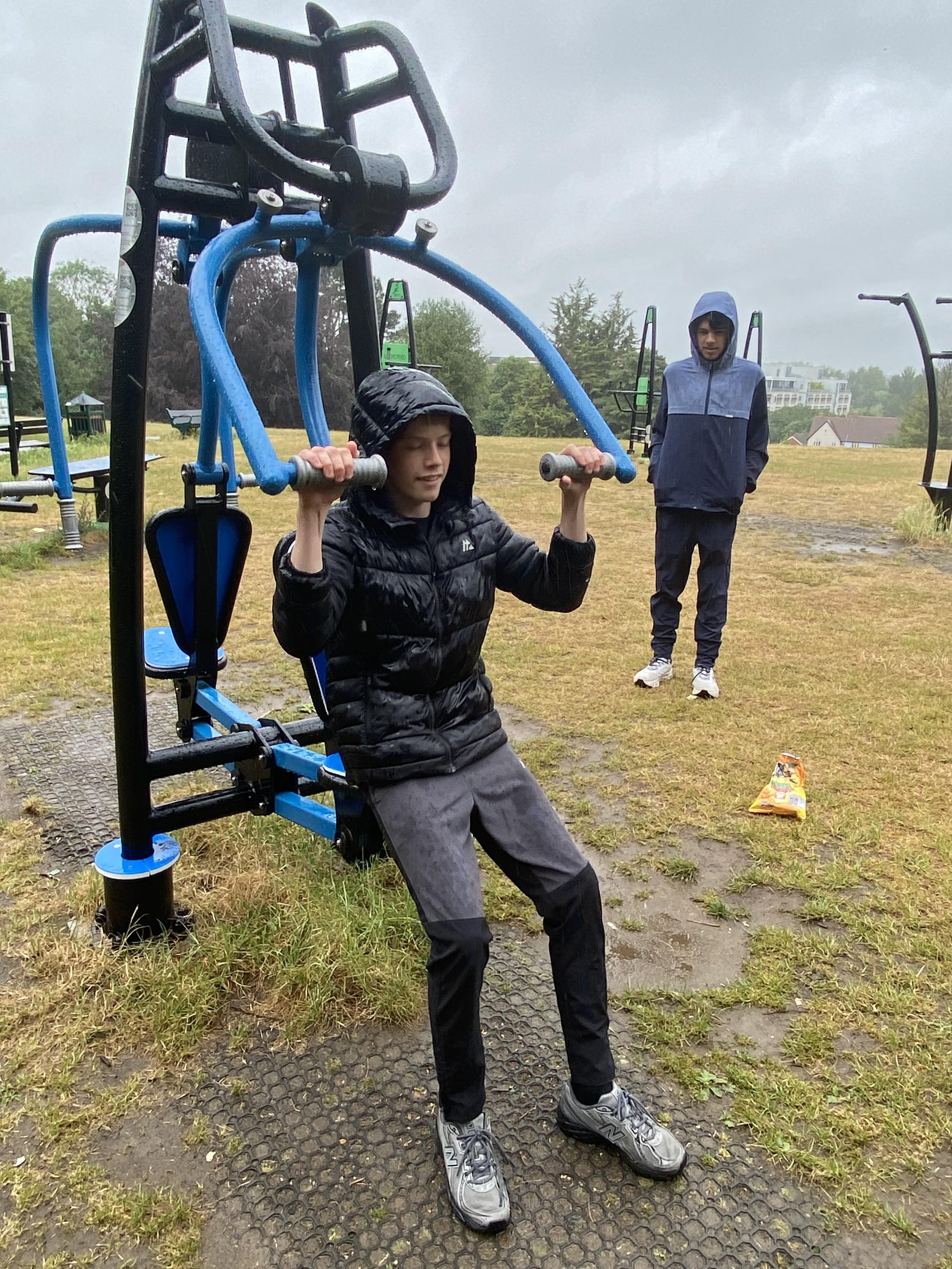
AEF Transition Age Sports, Mental Health and Wellbeing Programme
Quarterly impact update from Changing Lives Community Services
Programme overview
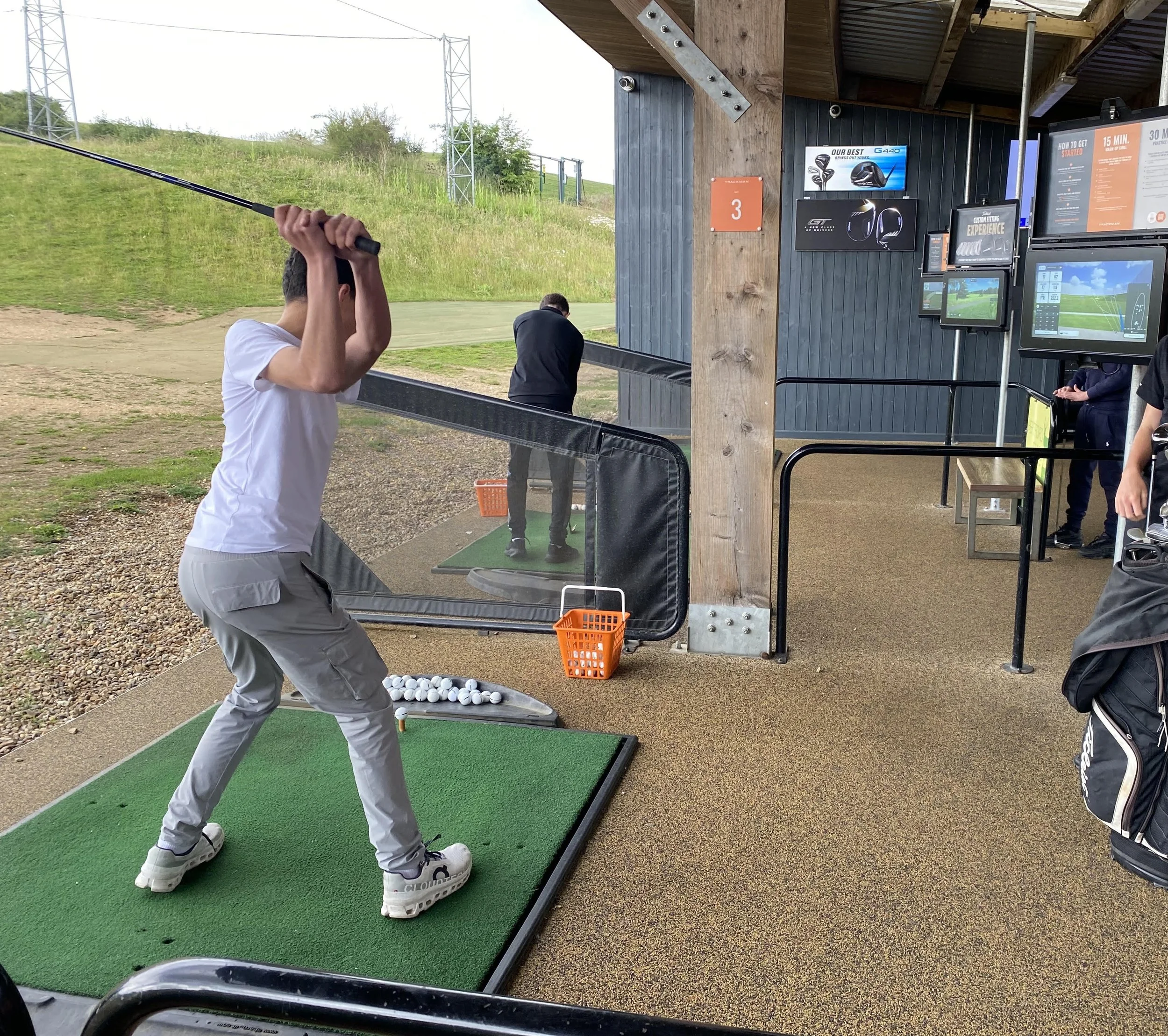
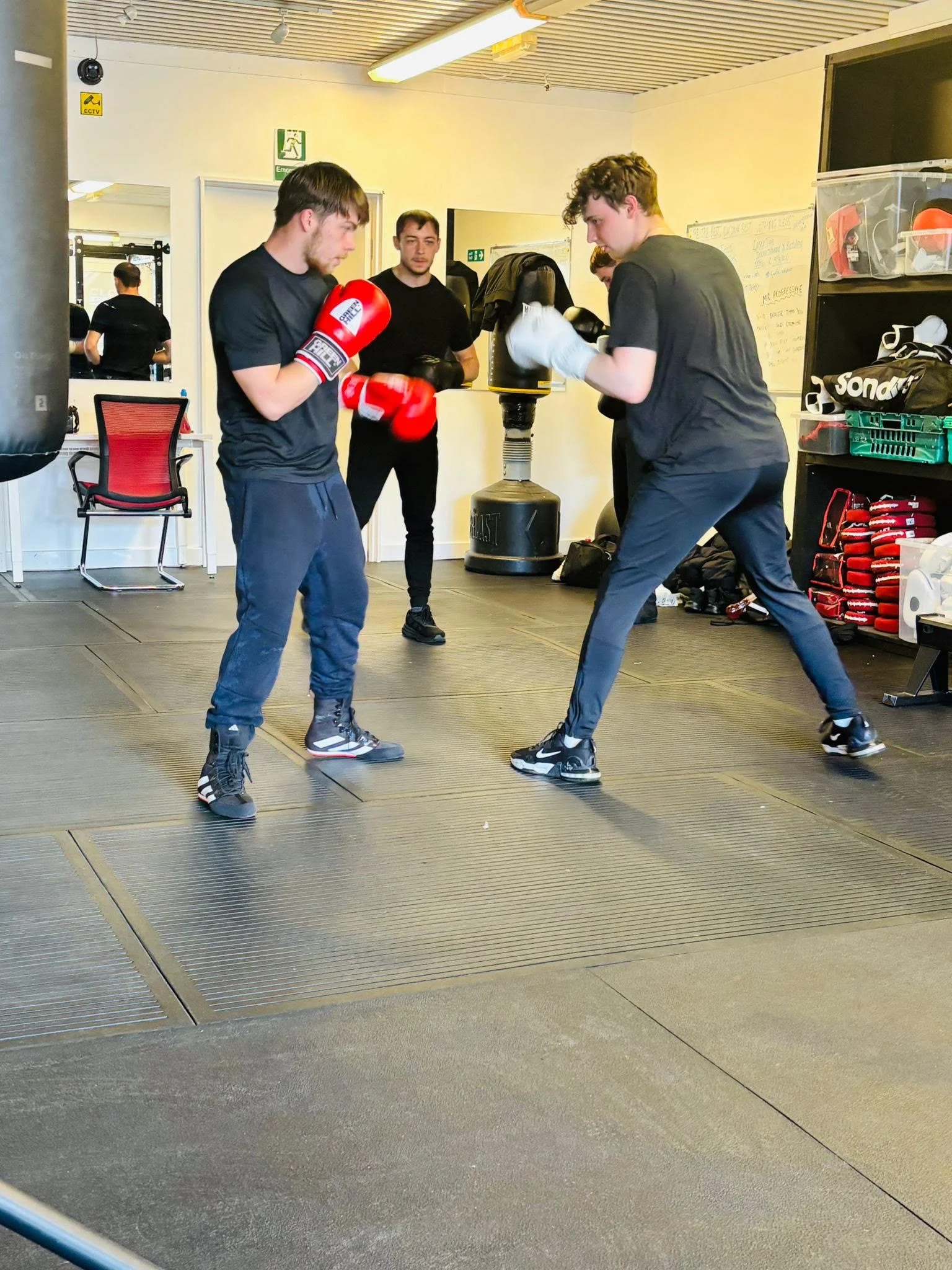
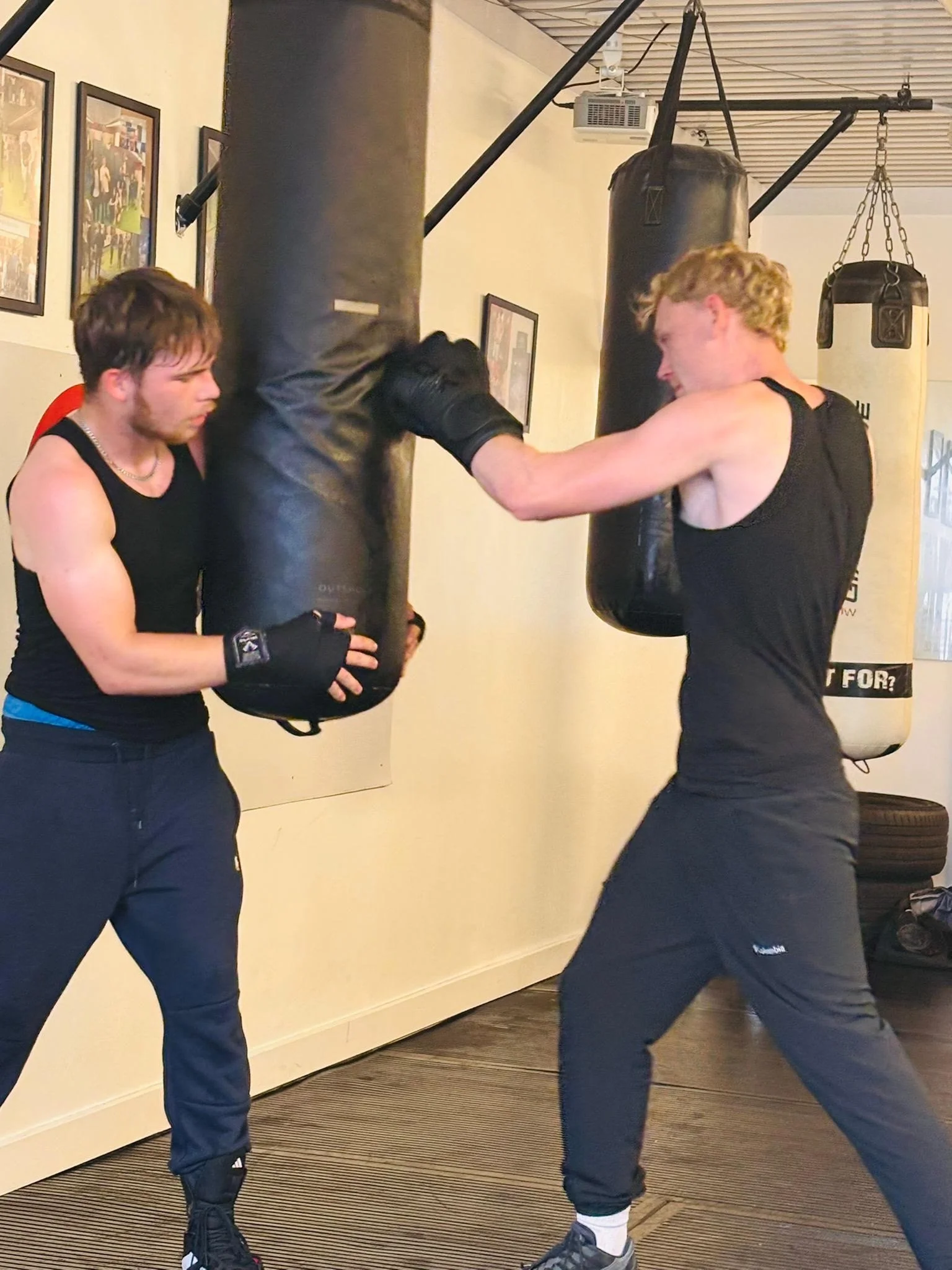
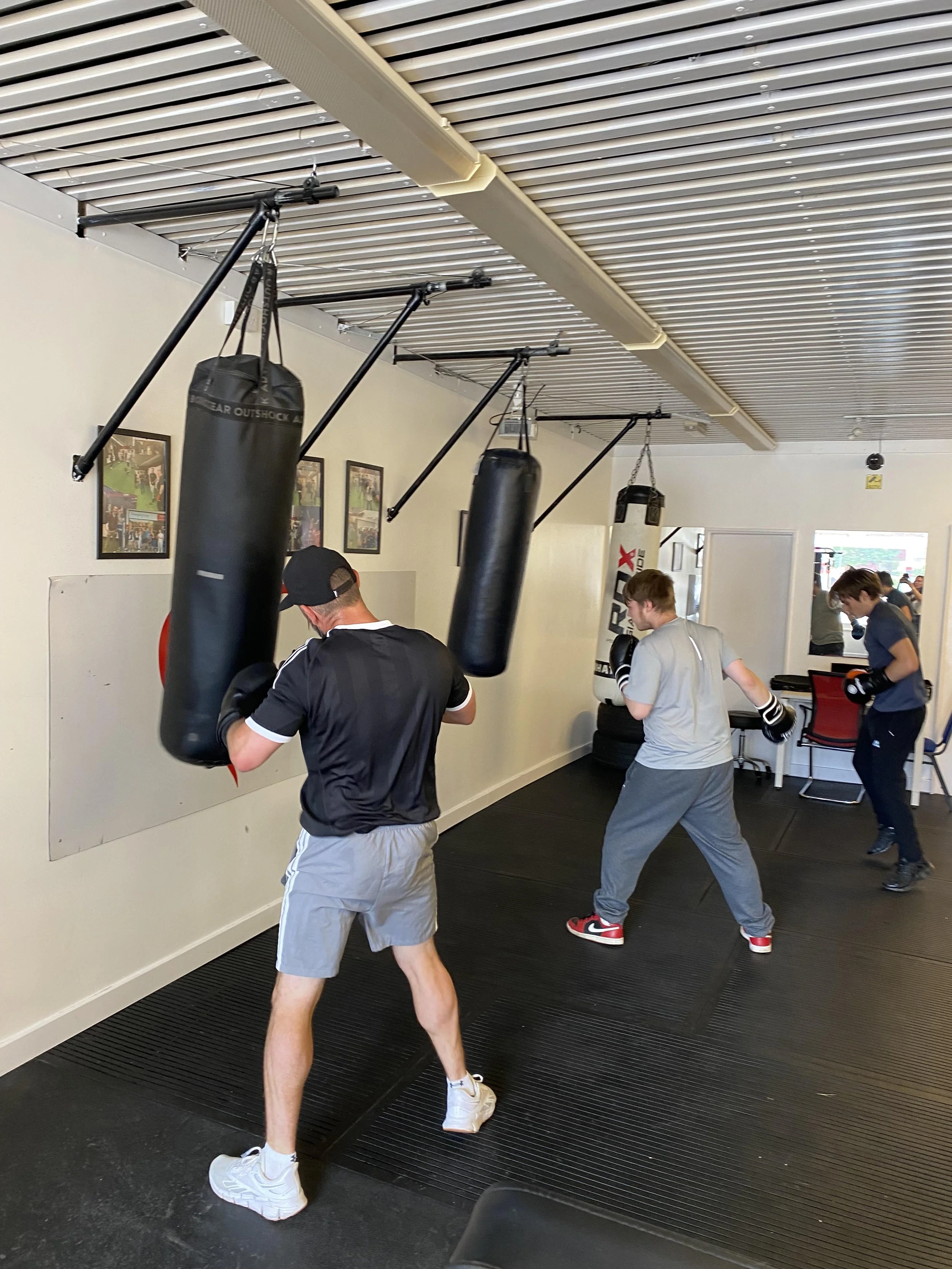
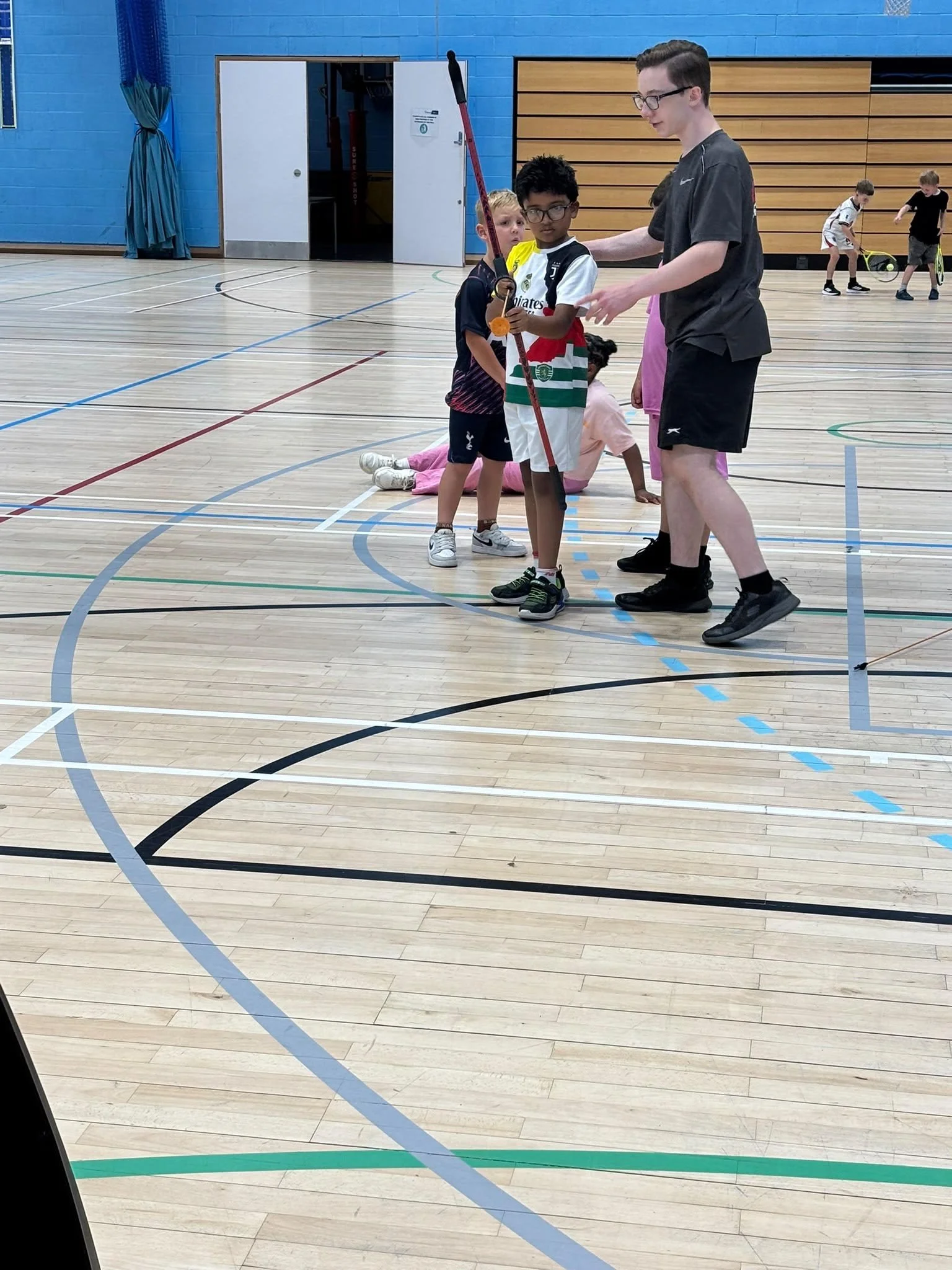
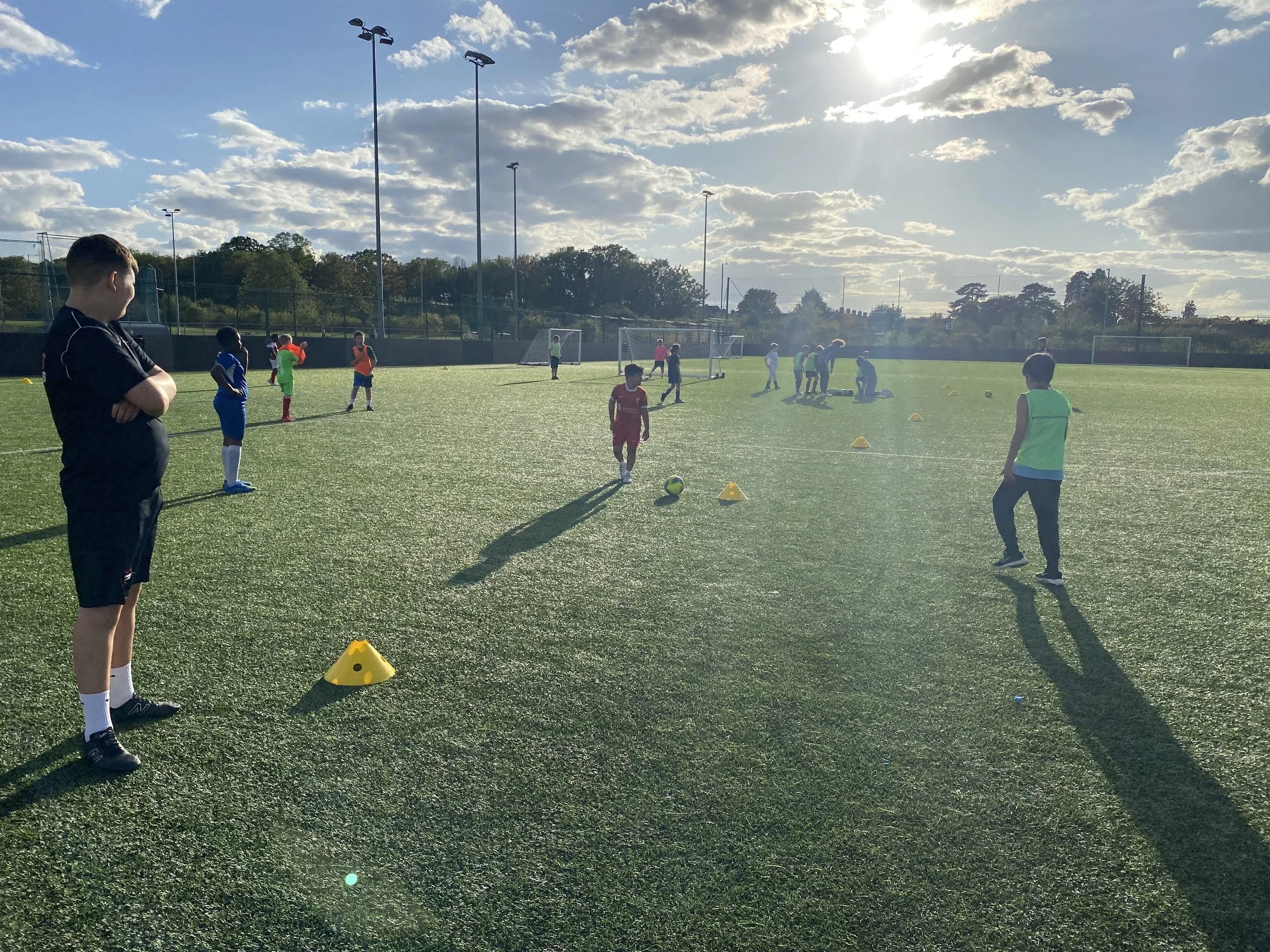
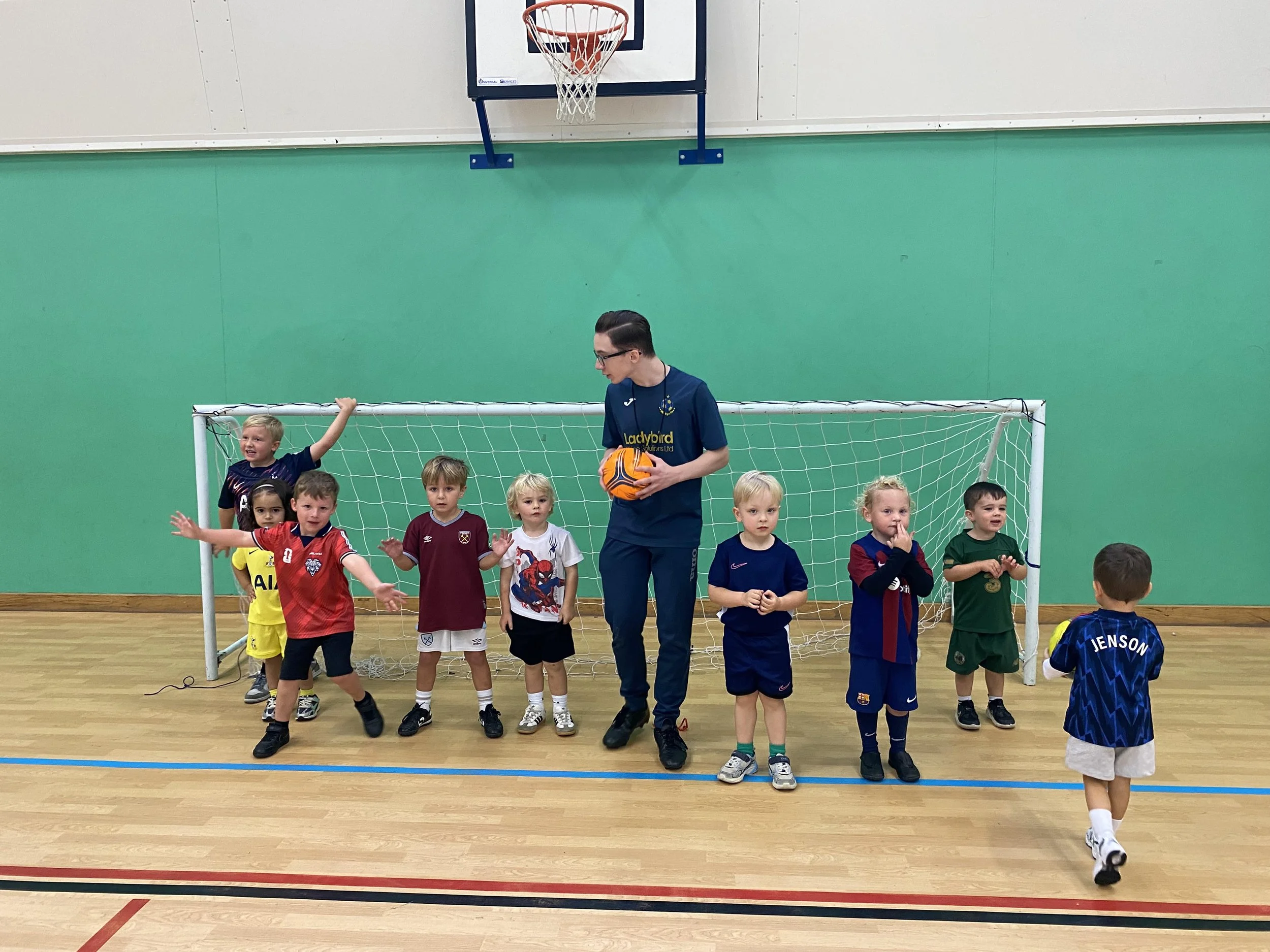
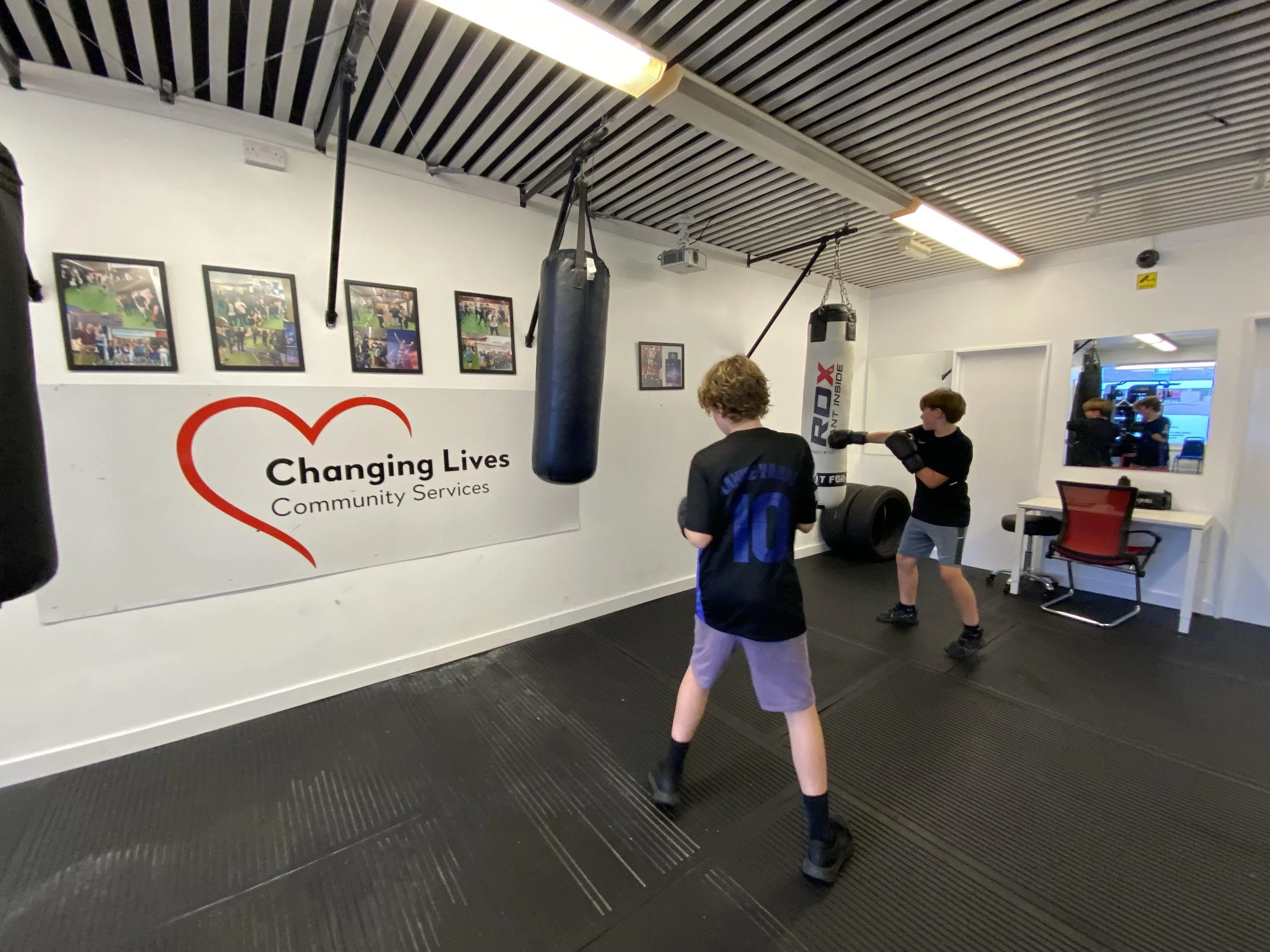
With funding from the Active Essex Foundation’s Transition Age Mental Health & Physical Activity project, Changing Lives Community Services delivered an inclusive sports, mental health and wellbeing programme for young people aged 17–25 across Harlow and Uttlesford.
The programme uses physical activity, trusted relationships and flexible progression opportunities to support wellbeing, build confidence and help young people take positive next steps.
Impact at a glance
· 36 sessions delivered during the quarter
· 24 individual young people took part
· 319 attendances recorded across all sessions
· A minority of participants—estimated at 25–49%—had a known diagnosed mental health condition
· Approximately half of participants—estimated at 50–74%—had diagnosed special educational needs and disabilities (SEND)
Supporting mental health and wellbeing
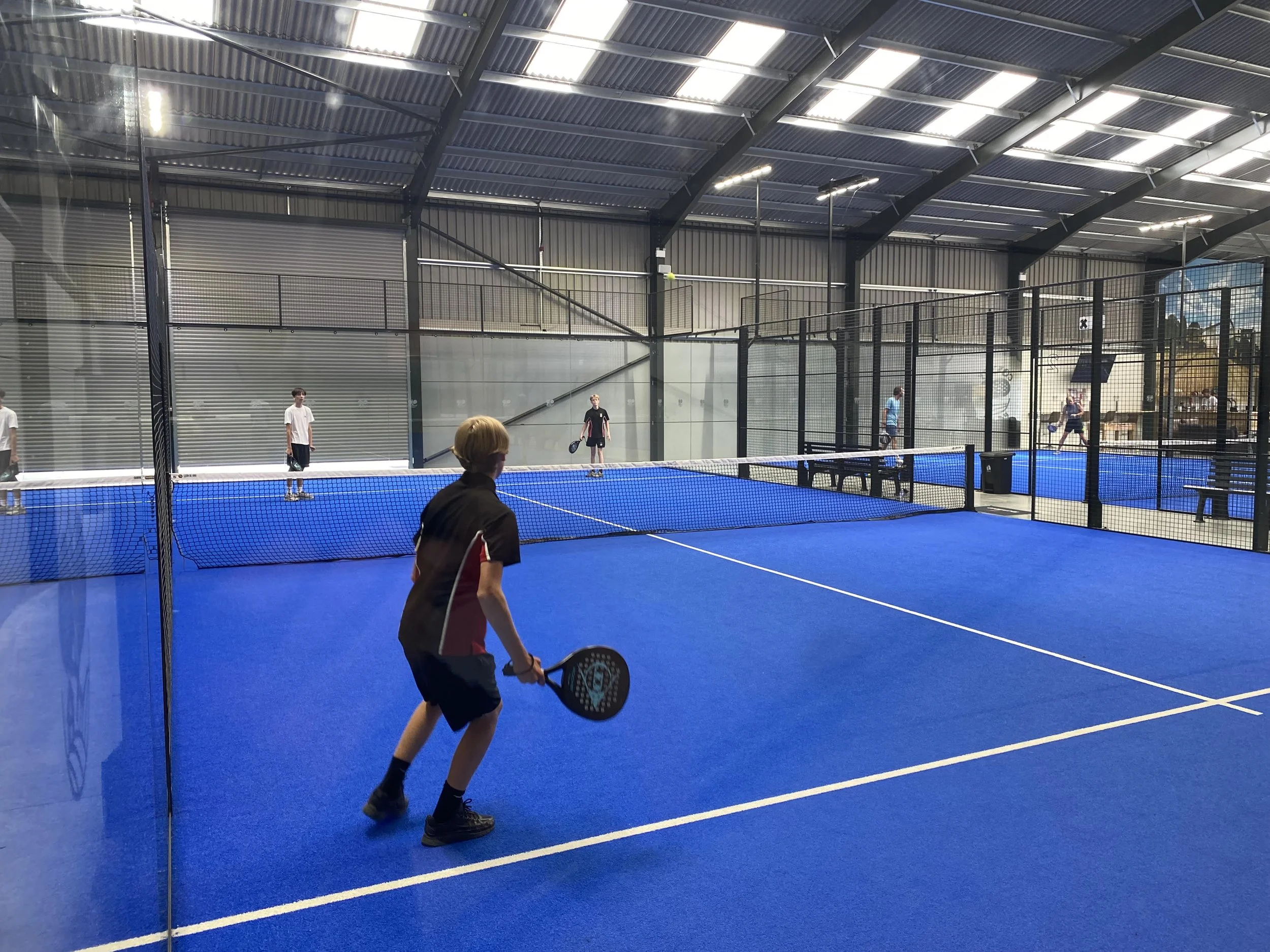
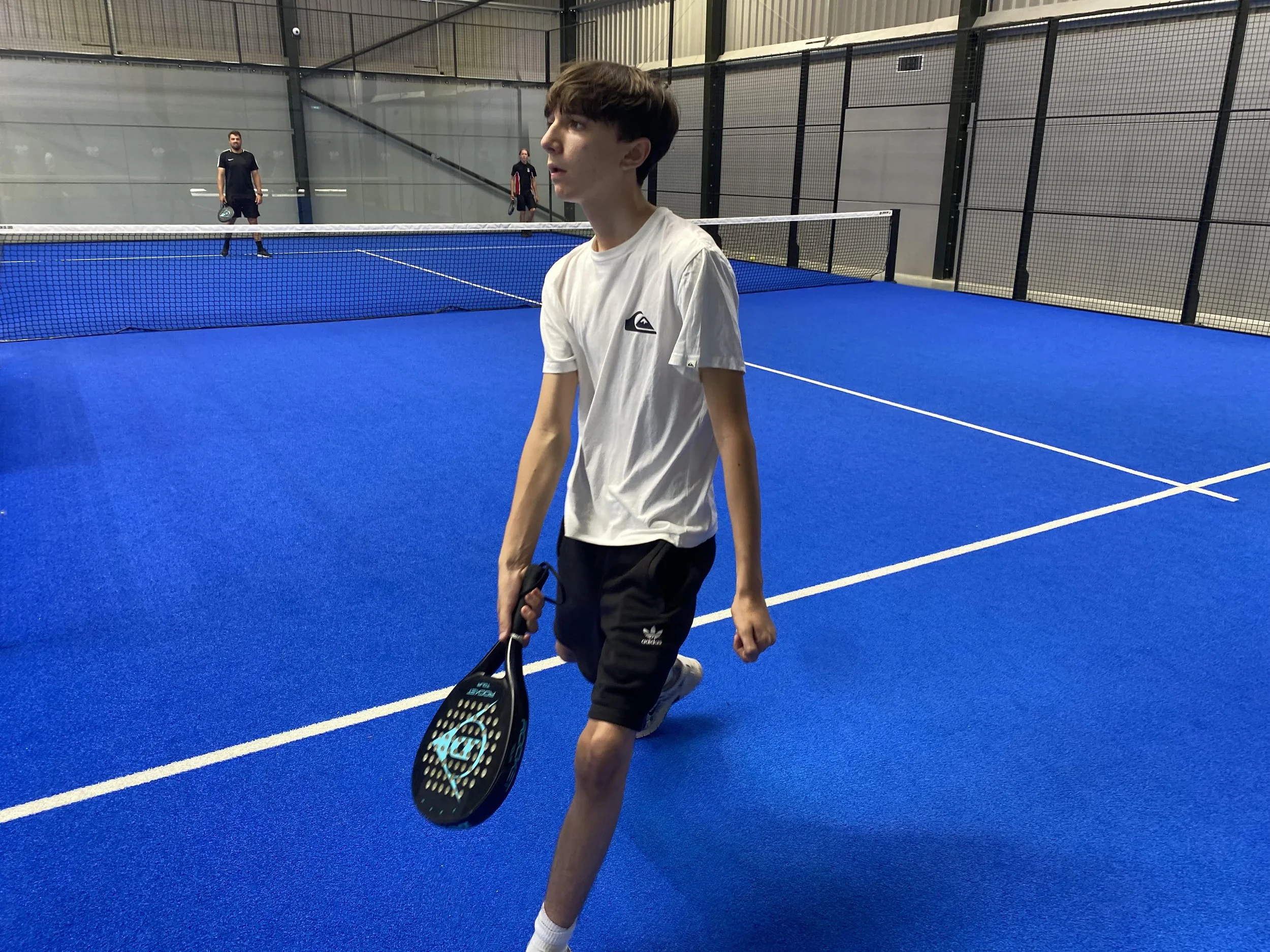
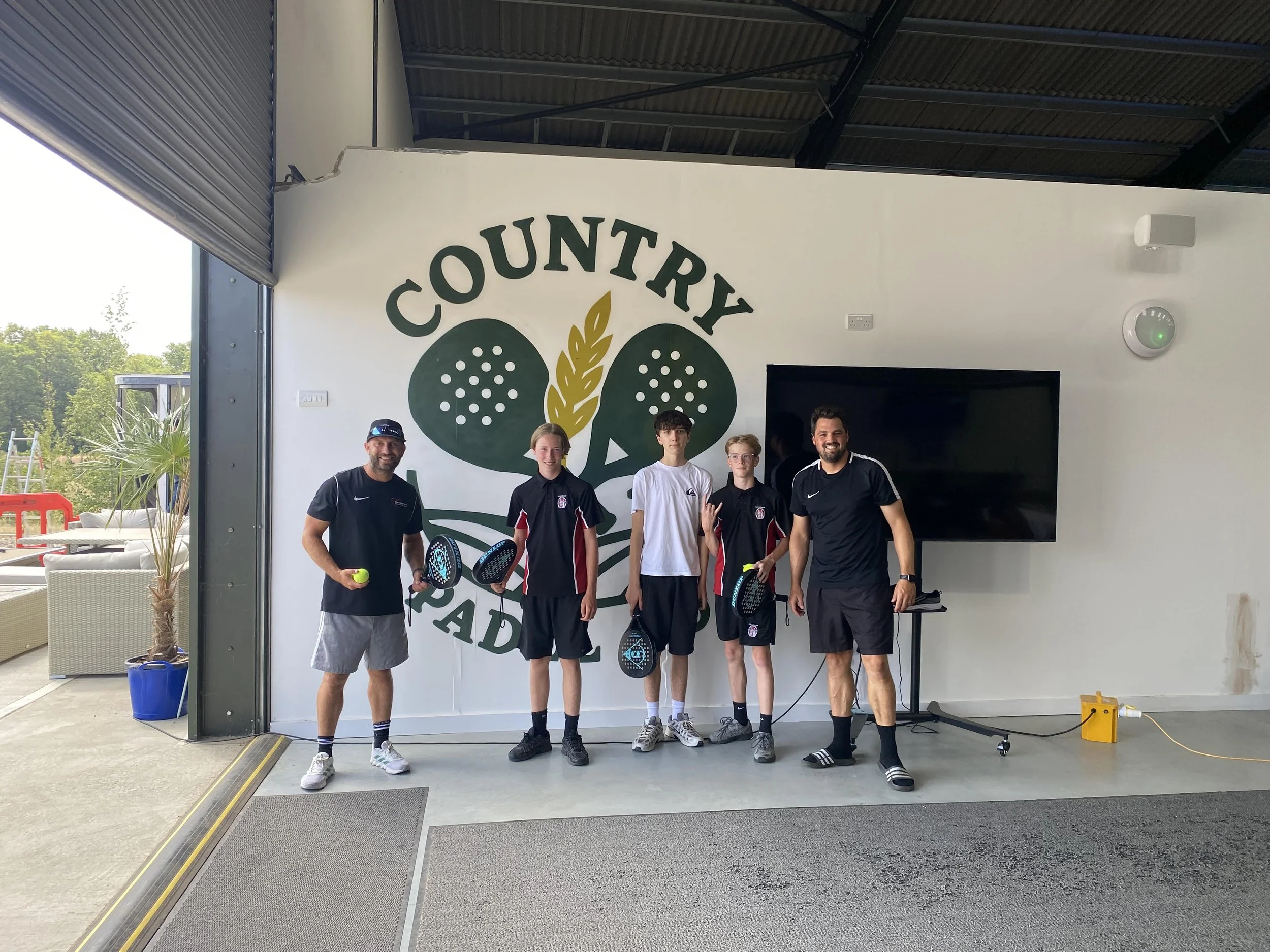
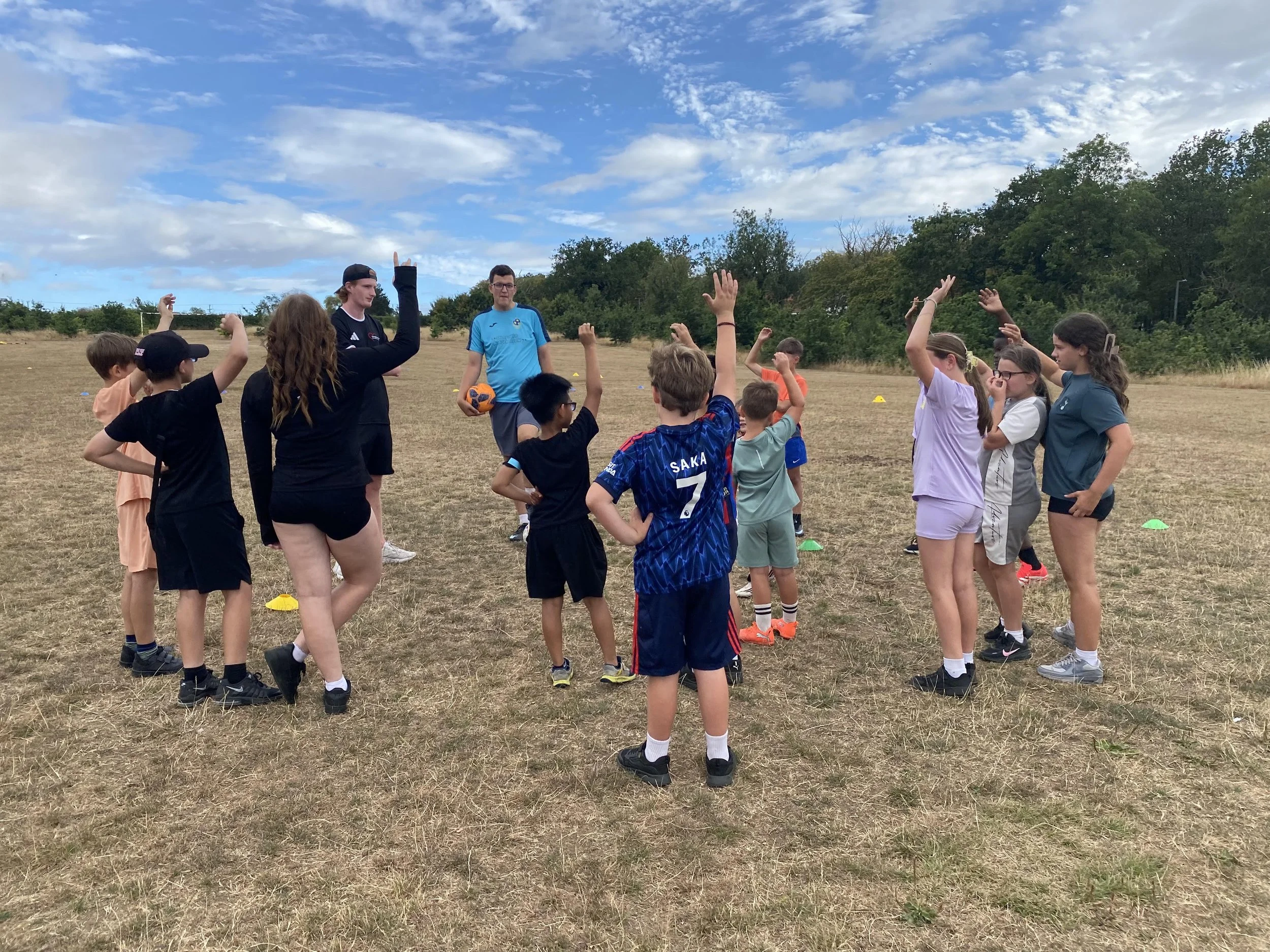
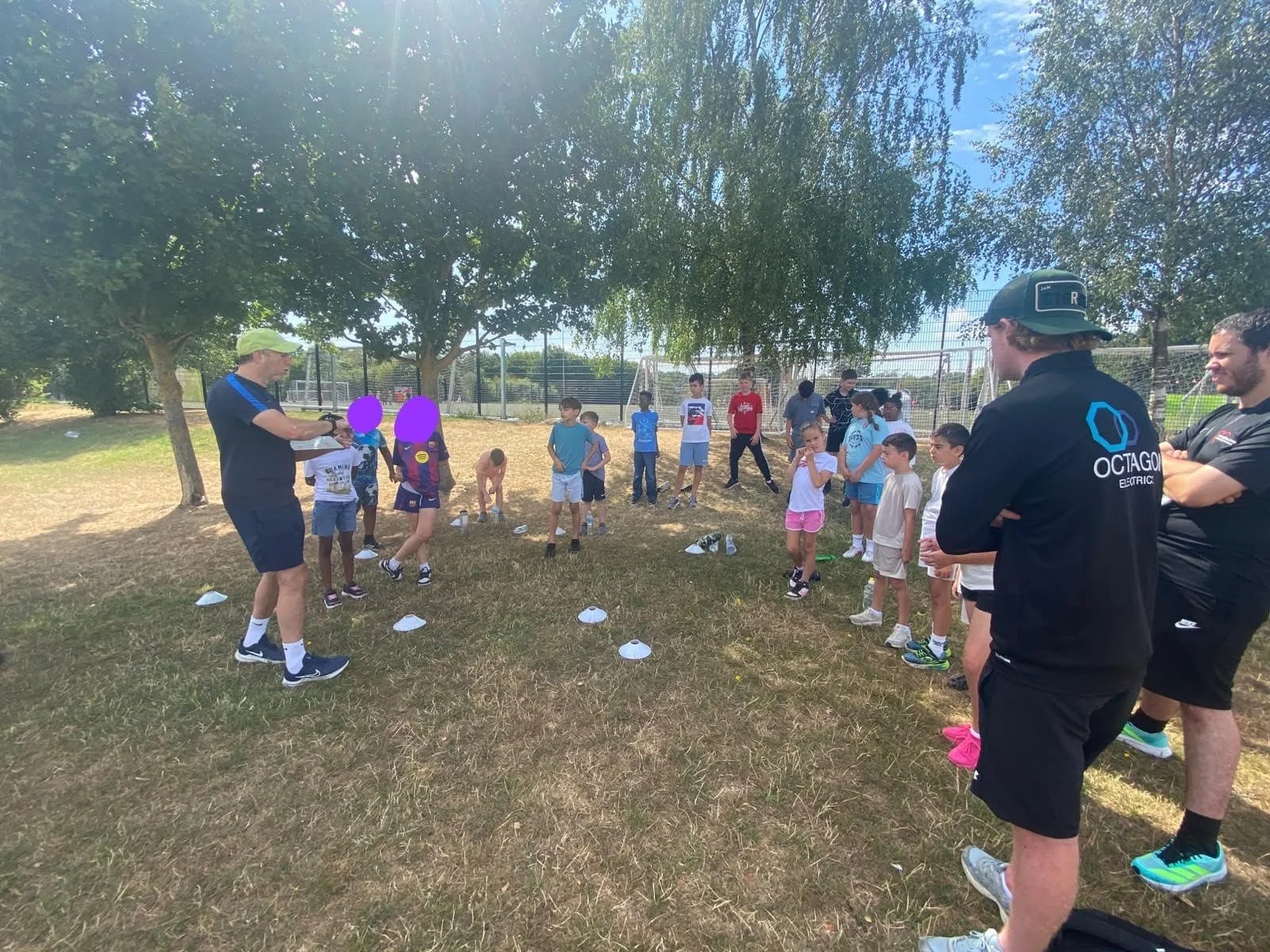
Sessions provide a safe, welcoming and supportive environment where young people can be active, connect with others and build trusted relationships with adults. The programme aims to improve emotional wellbeing, increase confidence and self-esteem, reduce social isolation, encourage positive coping strategies and increase participation in physical activity.
Lead staff working with this age group hold mental health qualifications and are trained to recognise warning signs and respond appropriately. Coaches adapt activities in the moment so that participants with different needs can take part without pressure. Regular staff training helps embed inclusive practice across the organisation.
For participants with higher levels of need relating to mental health, wellbeing or neurodiversity, continued volunteering provides routine, social connection and trusted support. This also allows staff to identify concerns early and offer support or signposting before needs escalate.
Pathways into learning, volunteering and work
Young people were offered information, advice and guidance, alongside support to access training, volunteering, employment opportunities and other services.
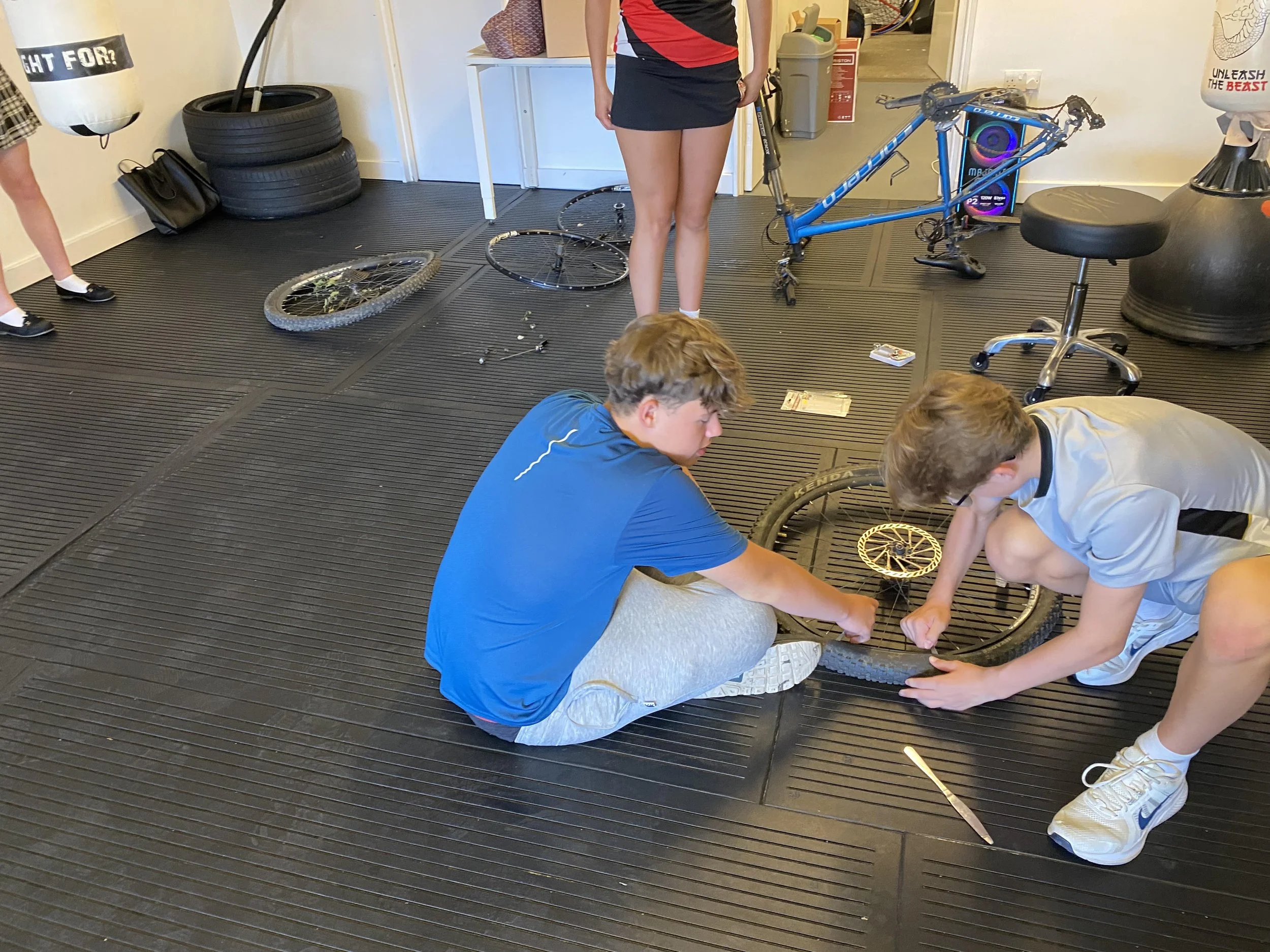
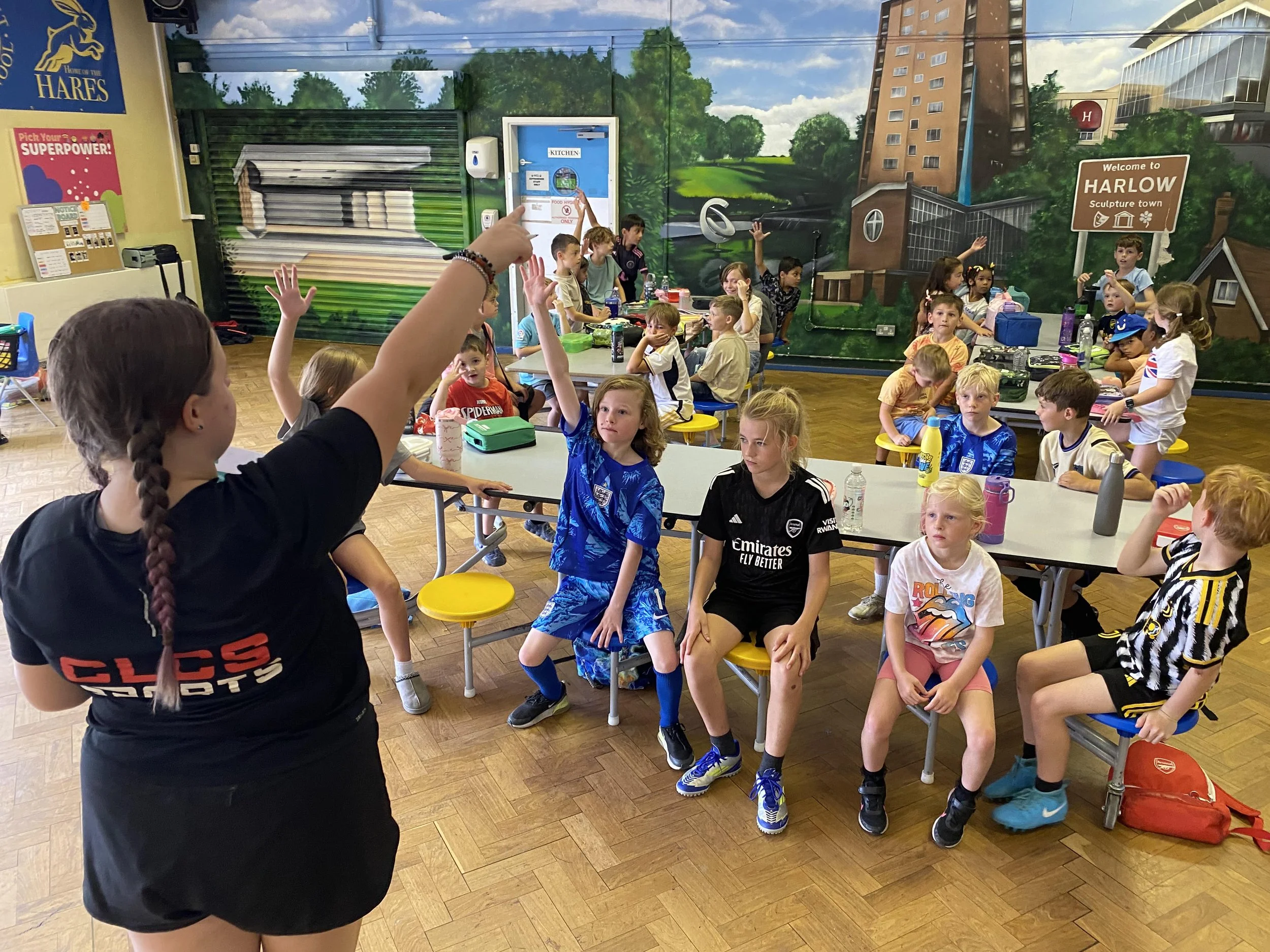
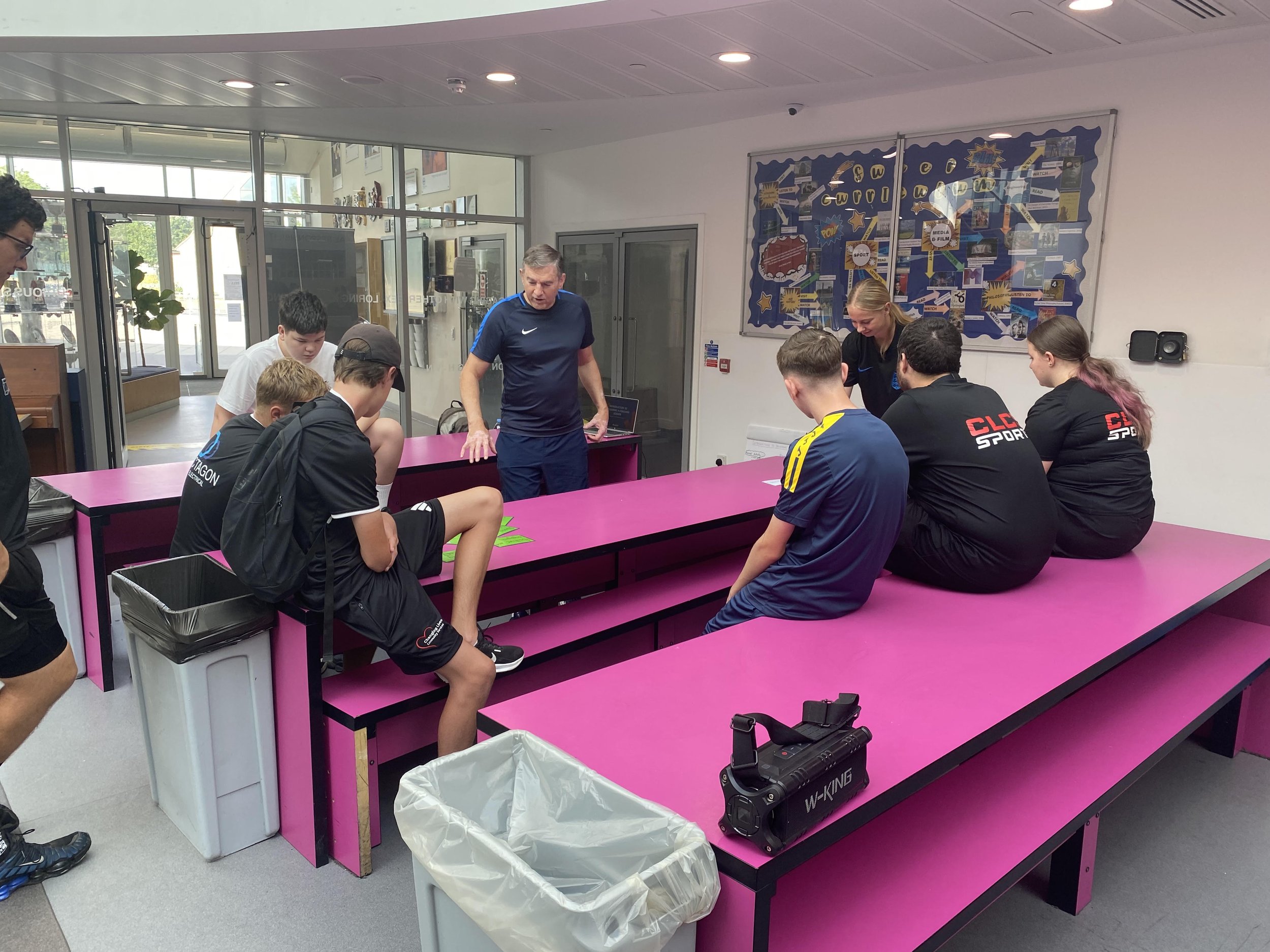
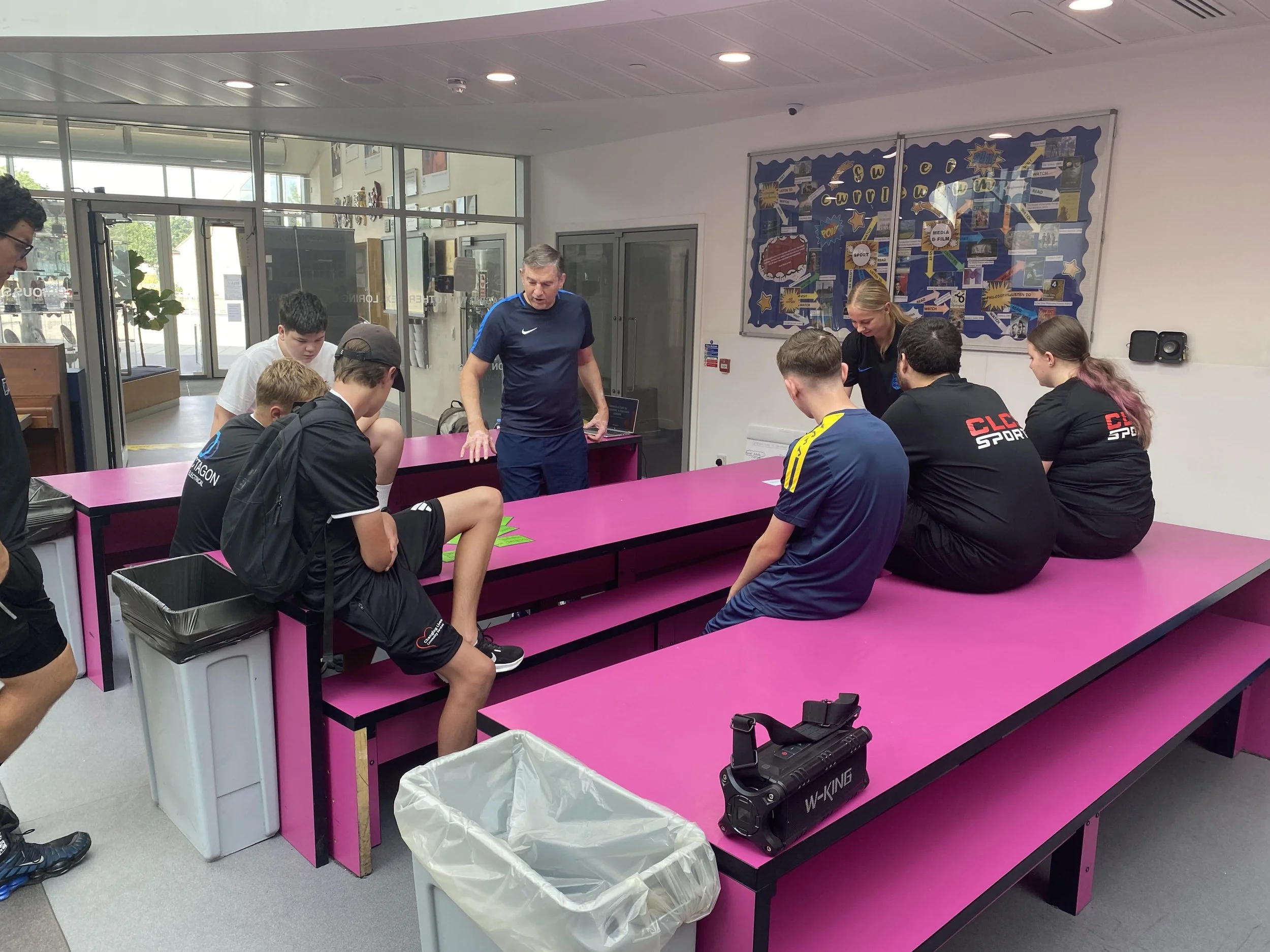
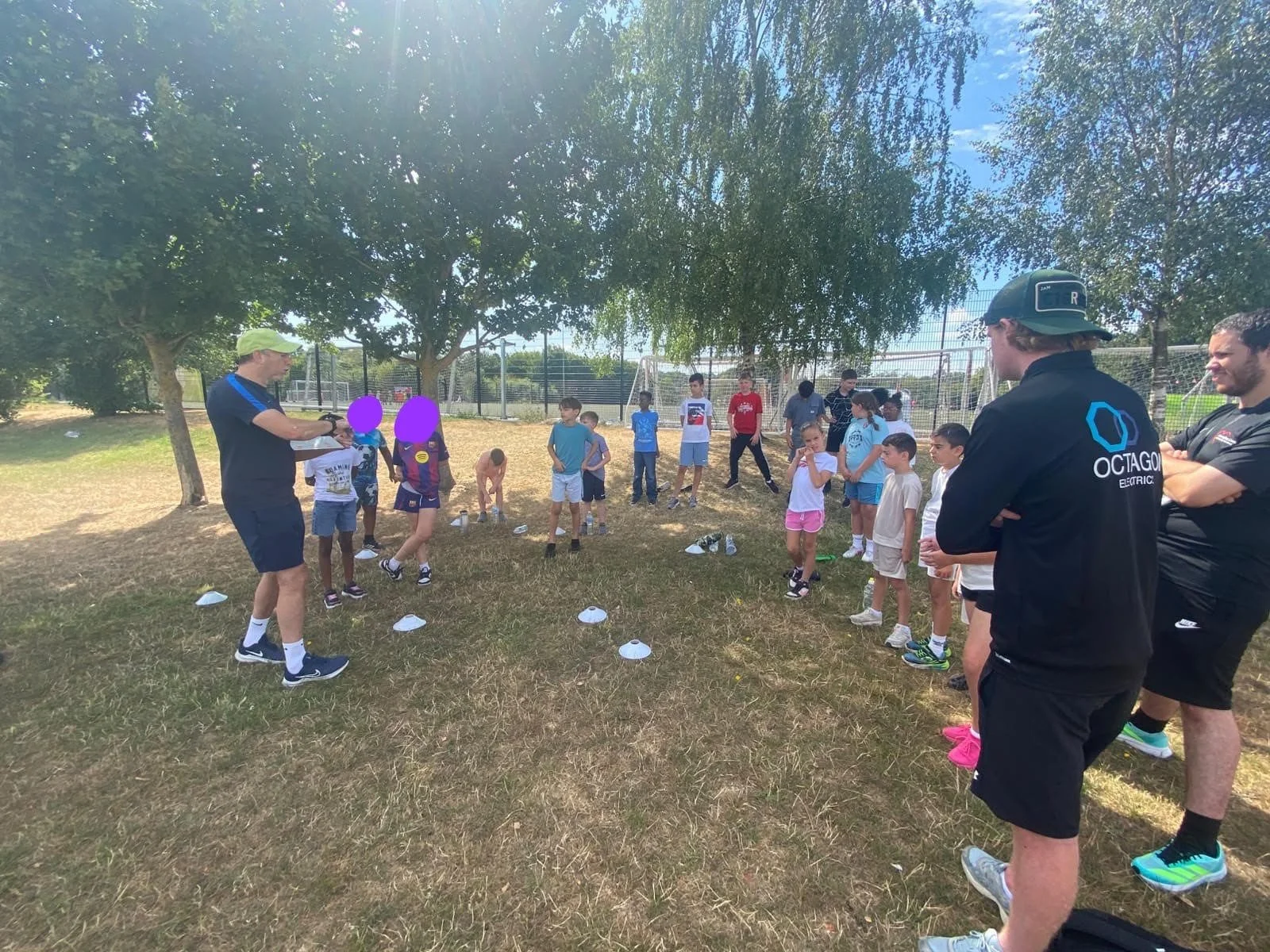
Opportunities during the quarter included online courses, DBS certification, organisation-led training days, professional continuing professional development delivered by Essex FA, and practical experience through HAF holiday clubs. Group social-wellbeing sessions also helped participants develop confidence, communication skills and positive relationships.
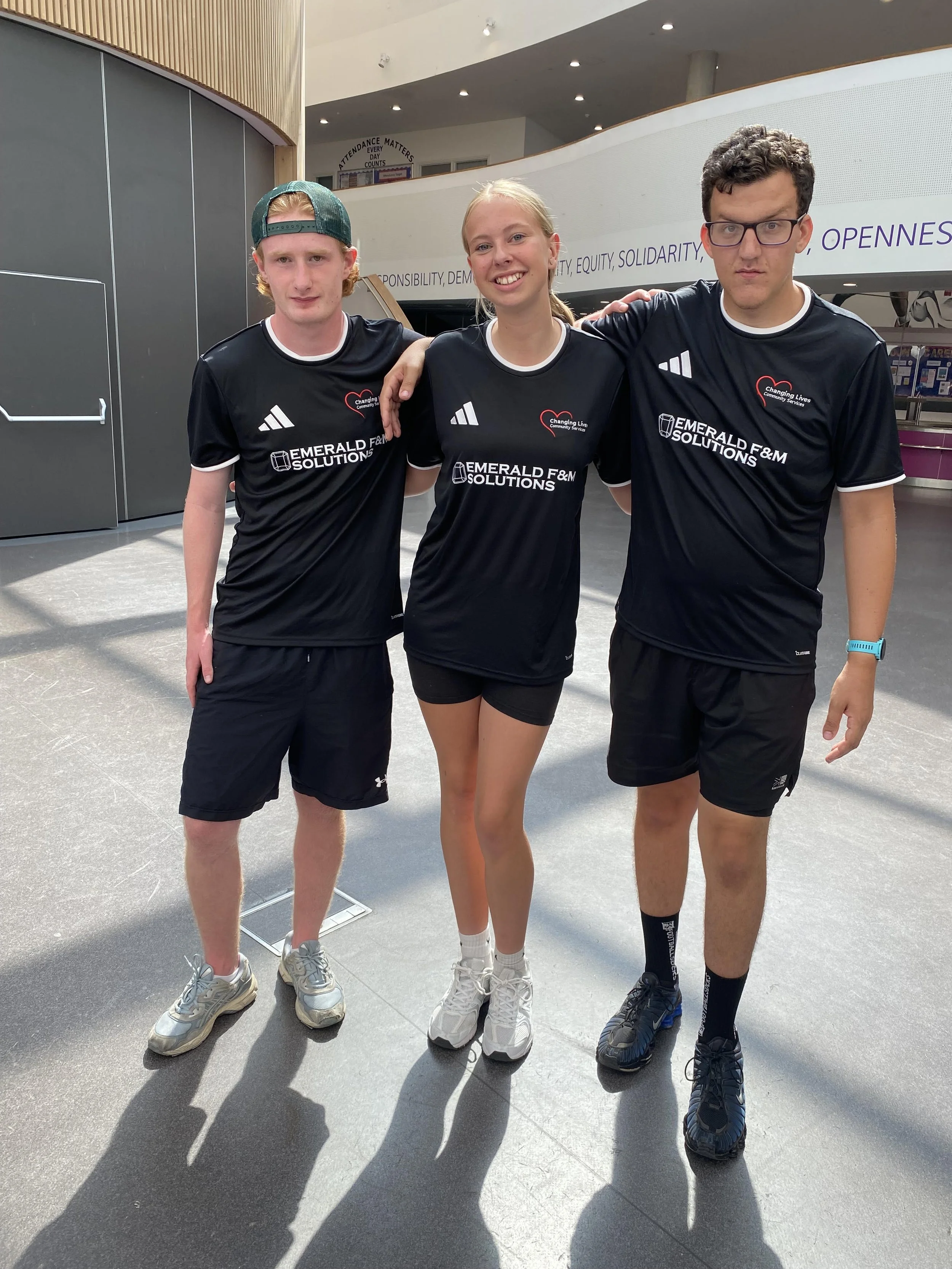
Participants who became confident and competent in delivering coaching sessions alongside the team could progress towards a paid apprenticeship. Those who were not ready for employment, or who preferred a different route, could continue volunteering without pressure. Some participants chose other opportunities that better matched their interests or offered higher pay.
Designed with young people
Young people’s views and experiences shaped delivery through regular conversations during sessions and ongoing observation of their confidence, interests and support needs.
Feedback showed that participants wanted different progression routes. In response, the programme adopted a flexible approach: young people could remain involved as volunteers or, where appropriate, work towards a paid apprenticeship. Support was also adapted for participants facing barriers linked to mental health, wellbeing or neurodiversity, with an emphasis on routine, trusted relationships and social connection.
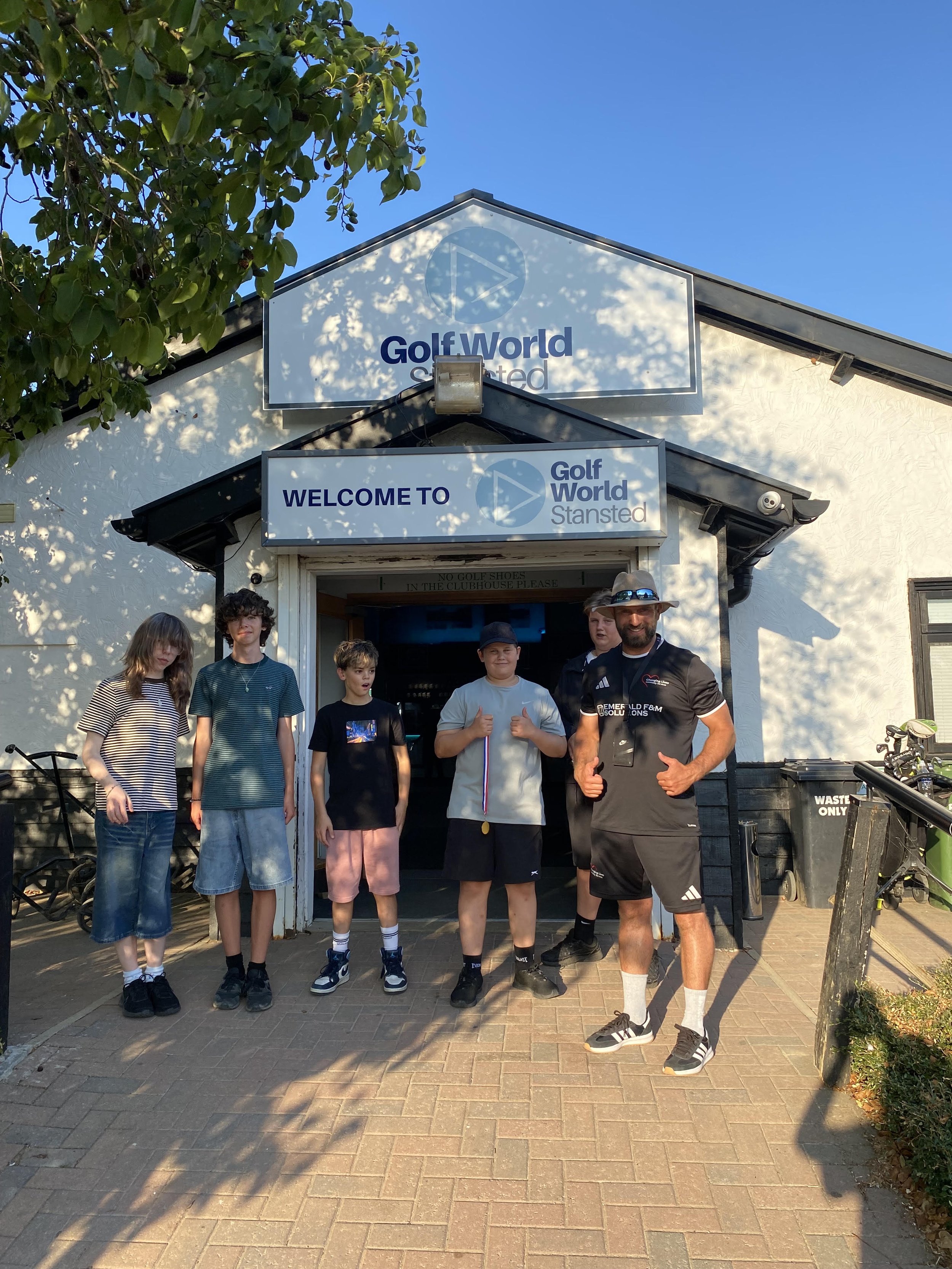
Parents and carers also helped make participation more accessible, including by supporting some young people with weekly transport.
Working in partnership
The organisation reported strong, collaborative relationships with education partners, health partners and local authority services. These relationships are built on mutual respect and a shared recognition of the value of physical activity in supporting young people’s wellbeing.
What participants and families said
“Being able to stay involved as a volunteer after the programme gave me a routine, helped me feel part of the team and made me feel less isolated.” — Young person
“Coaching alongside the team helped me build my confidence and skills. I now feel ready to continue learning through a paid apprenticeship.” — Young person
“The staff understand when I need extra support and do not put pressure on me. Coming to sessions gives me something positive to focus on each week.” — Young person

“We have seen a positive change in their confidence and willingness to engage with others. The regular sessions and trusted relationships with staff have provided valuable consistency and support.” — Parent
Looking ahead
Changing Lives Community Services will continue to offer inclusive, adaptable sessions and flexible pathways that reflect each young person’s readiness, interests and support needs. The programme will maintain its focus on early support, meaningful participation and practical routes into further learning, volunteering and employment.